





Two midlife women laughing together over coffee at a cafe, representing feeling like yourself again with menopause care
Lake Forest Regenesis logo

Menopause
Treatment
in Lake Forest, IL

Provider-Guided Perimenopause & Menopause Care for Symptoms, Hormone Health & Long-Term Wellness

Provider-guided menopause care

★★★★★

“she really took the time to get to know me, my medical history and my concerns.” — Colleen H.

Rated 5.0 on Google · 42 reviews

Allana Bush, FNP-C
Allana Bush, FNP-CFamily Nurse Practitioner, MSN
22 Years in HealthcarePrimary care, hormones & metabolic health
AANP MemberAmerican Association of Nurse Practitioners
In-Person in Lake ForestLabs, plans & follow-ups at our clinic

Personalized Menopause Treatment at Lake Forest Regenesis

Individualized Care Designed Around Your Symptoms, Health History & Stage of Life

Lake Forest Regenesis provides personalized menopause and perimenopause care for women in Lake Forest, IL, and across Lake County and Chicago’s North Shore, for symptoms associated with perimenopause, menopause and changing hormone levels. It is part of our broader hormone optimization care.

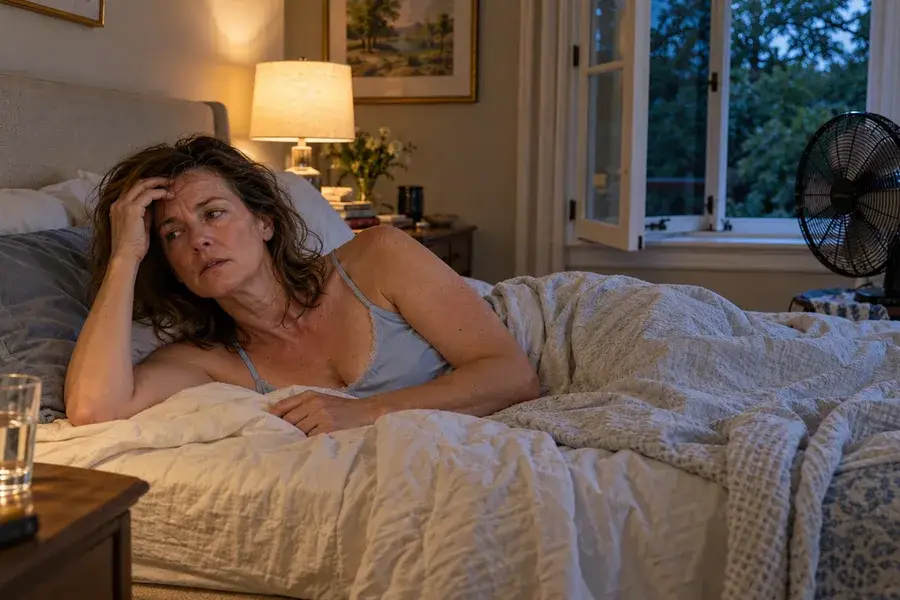
Menopause can affect many areas of health, including hot flashes, night sweats, sleep, mood, energy, body composition, sexual wellness, vaginal comfort, and overall quality of life. Symptoms and treatment needs can vary considerably from one woman to another.

When appropriate, care may include women’s hormone replacement therapy (including bioidentical hormones), lifestyle support, pelvic and sexual health care, metabolic support, and ongoing monitoring as your needs change.

Perimenopause • Menopause • Hormone Health • Symptom Support • Personalized Care

Woman meditating during a group yoga class

What Is Menopause Treatment?

Care for Hormonal Changes & Long-Term Wellness

Menopause treatment focuses on evaluating and managing symptoms of perimenopause and menopause as hormone levels change over time. These changes can affect hot flashes, night sweats, sleep, mood, energy, concentration, body composition, vaginal comfort, sexual wellness and overall quality of life.

Because symptoms differ from one woman to another, treatment should reflect the individual rather than follow a single standard approach. Care begins with a review of your symptoms, medical history, medications, menstrual changes, family history, risk factors and personal goals. Laboratory testing may be considered when clinically appropriate, but menopause care is guided by the broader clinical picture.

Woman smiling at her phone on a tree-lined street

How Menopause Treatment Works

Your Symptoms & Stage of Life Shape Your Care

Treatment begins with a detailed consultation about your symptoms, stage of life, health history, medications, previous treatments and priorities. Your provider considers how hormonal changes may be interacting with sleep, mood, energy, body composition, sexual wellness and vaginal symptoms. Additional evaluation or lab testing may be recommended when it can help clarify the picture or guide treatment.

Follow-up is an important part of menopause care. Your provider reviews symptom changes, treatment response, side effects, comfort and evolving goals so recommendations can be adjusted over time.

Common Menopause & Perimenopause Symptoms

Hormonal Changes Can Affect Many Areas of Physical, Emotional & Sexual Wellness

Common symptoms include hot flashes and night sweats, trouble falling or staying asleep, irritability, anxiety or mood changes, fatigue, forgetfulness, and changes in concentration. Many women also notice shifts in weight distribution, muscle mass, or body composition during midlife.

Menopause may also affect vaginal comfort, lubrication, and sexual desire. Because sleep, stress, thyroid function and other health factors can cause similar symptoms, each concern is evaluated within your overall health rather than assumed to be hormonal.

Not sure where your symptoms fit? Our free, 2-minute Perimenopause & Menopause Symptom Check shows how they’re affecting you and what may help.

A Personalized Approach to Menopause Care

Care Designed Around Your Symptoms, Health History & Stage of Life

Menopause affects every woman differently, so treatment should reflect your symptoms, medical history, medications, risk factors, stage of life, and personal goals rather than follow the same plan for everyone.

The goal is to develop a personalized, medically guided treatment plan that addresses the concerns most important to you while allowing care to evolve as your symptoms, response, and health priorities change throughout perimenopause and menopause.

For everyday health needs beyond menopause care, patients can establish an ongoing primary care relationship through Direct Primary Care.

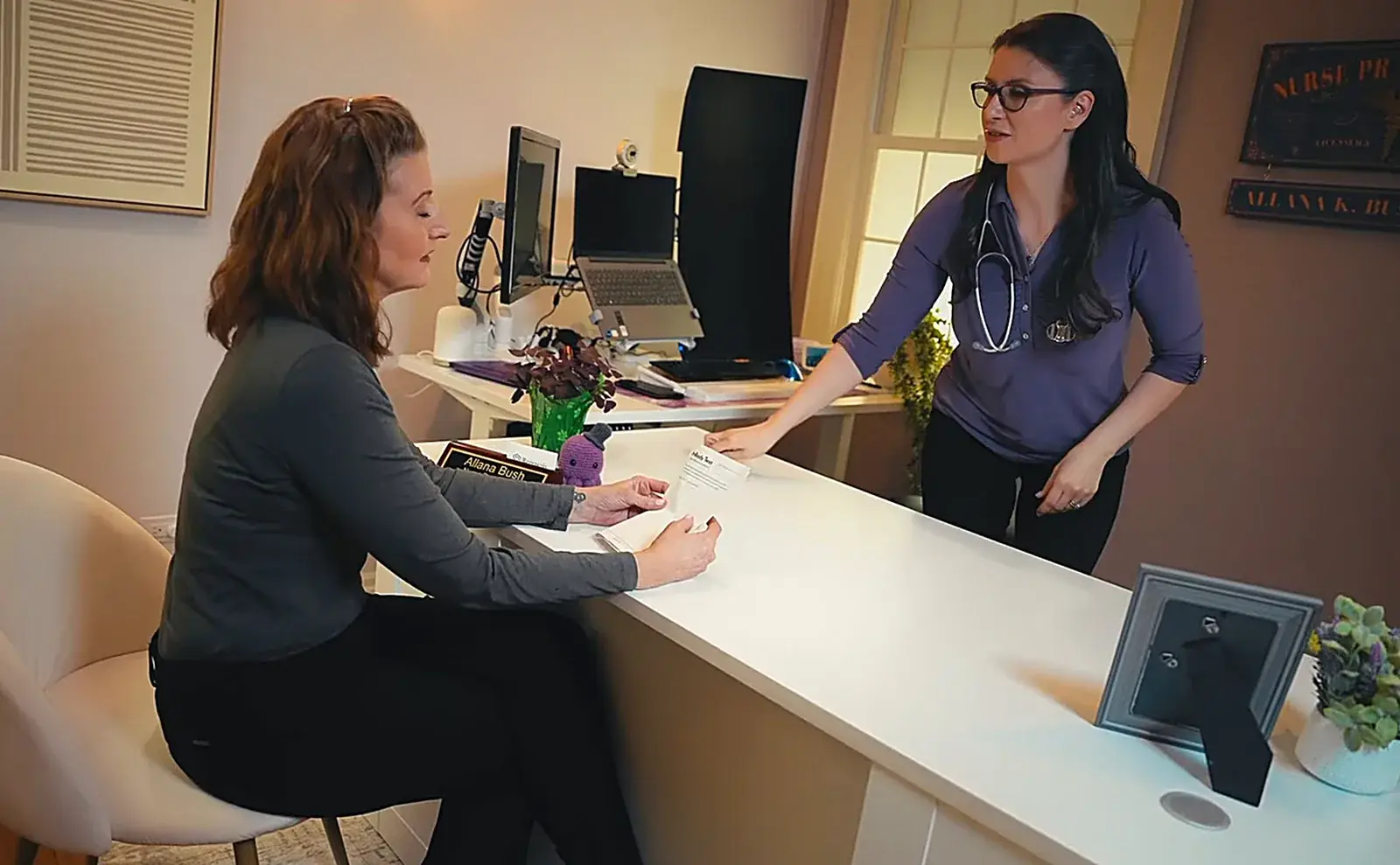
Allana Bush, FNP-C, going over paperwork with a woman during a menopause consultation
Consultation at our Lake Forest office

Your First Visit

Time to Talk It Through

Your first visit is a private, unhurried conversation about your symptoms, history and goals before any plan is made.

What Your Menopause Care May Include

Personalized Evaluation & Treatment Based on Your Symptoms, Health History & Goals

Blue line art of a woman talking with a clinician at a table, with a checklist icon above.

Symptom Review

Your visit includes a review of your symptoms, medical history, medications, menstrual changes, previous treatments, risk factors, and personal health goals to understand your full picture.

Blue line art of a clinician and a woman reviewing a chart on a tablet, with lab tubes and a calendar icon.

Hormone Assessment

Your provider considers your stage of life, symptom pattern, hormone-related concerns, and overall health, with laboratory testing used when clinically appropriate.

Blue line art of a woman beside directional signposts, with apple, pill bottle and heart icons.

Treatment Options

Care may include hormone therapy, lifestyle guidance, metabolic support, or sexual wellness care, based on your needs, preferences, and clinical suitability for treatment.

Blue line art of a woman on a sofa video-calling a clinician on a laptop, with a calendar and settings icon.

Ongoing Monitoring

Follow-up allows your provider to review symptom changes, treatment response, side effects, comfort, and evolving goals so your care plan can be adjusted over time.

Perimenopause vs. Menopause

Understanding Two Stages of Hormonal Change & How Care May Differ

Perimenopause is the transition leading up to menopause and often begins during a woman’s 40s, although it may start earlier. During this stage, hormone levels can fluctuate, and menstrual cycles may become irregular, lighter, heavier, shorter, or longer.

Symptoms may include hot flashes, night sweats, sleep changes, mood changes, anxiety, difficulty concentrating, weight changes, and shifts in sexual wellness. Because hormone levels can vary throughout this transition, symptoms may also change from month to month.

Menopause is reached after 12 consecutive months without a menstrual period, as described by the National Institute on Aging. At this stage, ovarian hormone production has declined, although symptoms such as hot flashes, sleep disruption, vaginal dryness, changes in libido, and metabolic changes may continue.

Understanding whether you are in perimenopause, menopause, or another stage of hormonal change helps your provider evaluate symptoms within the appropriate clinical context and develop a care plan based on your health history, concerns, and goals. For a closer look at the signs of each stage, see our article on perimenopause vs. menopause.

If you’re still in the transition years, with irregular cycles and symptoms that come and go, see our perimenopause treatment page.

Benefits of Personalized Menopause Care

Support Designed Around Your Symptoms, Health & Stage of Life

Blue line art of a woman holding a glass of water, with thermometer and moon-with-check icons.

Symptom Relief

Personalized care may help ease hot flashes, night sweats, sleep disruption, mood changes, and other menopause-related symptoms based on your needs and health history.

Blue line art of a woman jogging beside a sun and moon, with a cycle arrow icon.

Sleep & Energy

Menopause can affect sleep quality, nighttime comfort, and daytime energy. Treatment may help address contributing factors and support more consistent rest.

Blue line art of a woman in a tree yoga pose, with a brain icon and a smiling sun with a heart.

Mood & Focus

Hormonal changes may influence mood, concentration, irritability, and mental clarity. Care considers these alongside sleep, stress, medications, and health.

Blue line art of a woman relaxing in a chair with a book, beside a heart-in-lotus icon.

Sexual Wellness

Treatment may address vaginal dryness, discomfort, and changes in libido or sensation when these concerns are connected to menopause or hormonal changes.

What to Expect at Your First Menopause Visit

A Personalized Evaluation Focused on Your Symptoms, Health History & Goals

Your first visit is a 90-minute consultation with Allana that begins with a detailed discussion of your symptoms, menstrual history, medical history, medications, previous treatments, stage of life, and personal health goals. Your labs are drawn during this visit, and a 90-minute follow-up reviews your results and options.

Your provider may also review factors such as sleep, mood, energy, sexual wellness, body composition, metabolic health, and other changes that may be affecting how you feel during perimenopause or menopause.

After your evaluation, your provider will discuss treatment options, potential benefits and risks, lifestyle strategies, and appropriate next steps. If treatment is started, follow-up visits allow your care plan to be adjusted based on your response, comfort, and changing health needs.

Is Menopause Treatment Right for You?

Is Menopause Treatment Right for You?

  • Menopause treatment may be appropriate for women in perimenopause, menopause, or postmenopause who are experiencing symptoms such as hot flashes, night sweats, sleep disruption, mood changes, vaginal dryness, or low libido.

  • Options may include hormone therapy, non-hormonal medications, vaginal treatments, and lifestyle support, so care can still be considered if hormone therapy is not right for you.

  • Candidates should be willing to take part in an individualized evaluation and ongoing follow-up. Eligibility is based on your health profile, not age alone.

  • Not every treatment option is appropriate for every woman, and recommendations are made only after an individualized medical evaluation.

  • Hormone therapy may not be recommended for women with certain histories, such as hormone-sensitive cancers, blood clots or stroke, unexplained vaginal bleeding, significant liver disease, or pregnancy.

  • If hormone therapy is not a safe fit, your provider can discuss non-hormonal options or refer you for additional care when appropriate.

Before hormone therapy is recommended, your provider reviews your medical history, symptoms, medications, personal risk factors, and treatment goals to determine whether therapy may be appropriate.

Hormone replacement therapy is not right for every woman, and the potential benefits and risks should be considered individually before treatment begins.

During treatment, follow-up may include monitoring symptom response, medication tolerance, overall health, and laboratory findings when clinically appropriate.

Your treatment plan may be adjusted, paused, or discontinued based on your response, changing health needs, or clinical concerns to support appropriate and individualized care.

If symptoms point to something beyond Allana's scope, such as bleeding after menopause, a breast concern, significant bone loss, or a history of hormone-sensitive cancer, she refers you to the right specialist and helps coordinate next steps.

This content is for informational purposes only and is not intended to diagnose, treat, cure, or prevent any disease. All therapies are prescribed only after a comprehensive medical evaluation by a licensed provider. Results and outcomes may vary. Click for Full Disclaimer

Meet Your Menopause Provider in Lake Forest

Personalized Menopause Care Led by an Experienced Family Nurse Practitioner

Allana Bush, FNP-C, nurse practitioner at Lake Forest Regenesis in Lake Forest, IL

Menopause care at Lake Forest Regenesis is led by Allana Bush, FNP-C, RN, PHN, MSN, a family nurse practitioner with 22 years of healthcare experience.

Her clinical focus includes hormone optimization, women’s health, sexual wellness, metabolic health, functional and regenerative medicine, and personalized wellness care, allowing menopause symptoms to be considered within a broader health context.

Treatment is individualized and may evolve over time based on your response, comfort, changing symptoms, and health priorities, helping care remain aligned with your needs throughout perimenopause, menopause, and beyond.

Related Reading

Women's Hormone Health Articles From Our Patient Education Library

Frequently Asked Questions About Menopause Treatment

Answers to Common Questions About Perimenopause, Menopause & Hormone Therapy

For many healthy women who are under 60 or within 10 years of menopause, the benefits of hormone therapy for bothersome symptoms often outweigh the risks, according to The Menopause Society. Risks depend on your age, health history, the type of hormones and how they are taken. Your provider reviews your personal and family history before recommending any treatment.

Often not. Menopause is usually identified by symptoms and 12 months without a period, and hormone levels can fluctuate widely during perimenopause. Laboratory testing may still be useful in certain situations, and your provider will recommend it when it can help guide care.

Yes. Symptoms such as hot flashes, sleep changes, mood shifts and irregular cycles can begin years before your final period. Care during perimenopause is tailored to your symptoms, cycle changes and health history.

In Illinois, nurse practitioners are licensed to evaluate menopause and perimenopause symptoms, order lab testing and prescribe treatment, including hormone therapy when appropriate. At Lake Forest Regenesis, care is led by Allana Bush, FNP-C, a family nurse practitioner focused on hormone health. When a concern calls for a gynecologist or another specialist, we refer you.

Estrogen can be taken as a pill, patch, gel or spray, and low-dose vaginal estrogen is an option for vaginal dryness and discomfort. Women who still have a uterus also take a progestogen to protect the uterine lining. Bioidentical hormones, which are chemically identical to the hormones your body makes, are available when appropriate. Your provider helps you weigh the options based on your symptoms and health history.

Yes. Non-hormonal prescription medications, lifestyle changes and treatments for specific symptoms such as vaginal dryness may help. Your provider can discuss which options fit your symptoms and health needs.

There is no single time limit that applies to everyone. Your provider reviews your symptoms, health changes and risks regularly to decide whether to continue, adjust or gradually stop treatment.

Start Your Regenesis Today

Take the Next Step Toward Personalized Menopause Care

Begin with a 90-minute visit with Allana, including your lab draw, focused on your symptoms, health history, medications, stage of life, and personal goals so your provider can understand what matters most to you.

Your provider will review your menopause symptoms, risk factors, treatment preferences, and overall health to determine which options may be appropriate for your needs.

Follow-up allows your care plan to evolve based on your response, comfort, symptom changes, and changing health priorities throughout perimenopause, menopause, and beyond.

Results vary, and no treatment can be guaranteed. See our Medical Disclaimer.

Lake Forest Regenesis logo

A Personal Message From Your Provider

Menopause Care Should Feel Personal, Informed & Supportive

“Menopause can affect women in very different ways, and many patients come in feeling unsure whether their symptoms are hormonal, age-related, or connected to something else.

My goal is to help you understand what may be contributing and create a plan that reflects your symptoms, health history, comfort, and personal goals.

For some women, that may include hormone therapy. For others, care may focus on sleep, metabolic health, sexual wellness, lifestyle, or other supportive strategies.

Menopause is a stage of life that deserves thoughtful medical guidance, clear communication, and care that can evolve as your needs change.”

Signature of Allana Bush, FNP-C, lead provider at Lake Forest Regenesis

Allana Bush, FNP-C, RN, PHN, MSN

Menopause Care • Hormone Optimization
Lake Forest, IL