

Thyroid Care
in Lake Forest, IL
Whole-Person Care for Hypothyroidism and Hashimoto's, Guided by a Full Thyroid Panel
Personalized Thyroid Care at Lake Forest Regenesis
Provider-Guided Care That Looks Beyond a Single Number
Lake Forest Regenesis provides thyroid care for adults in Lake Forest, Chicago’s North Shore, and Lake County. Thyroid problems are common, especially in women, and they often develop slowly enough that symptoms are blamed on stress, aging, or a busy life.
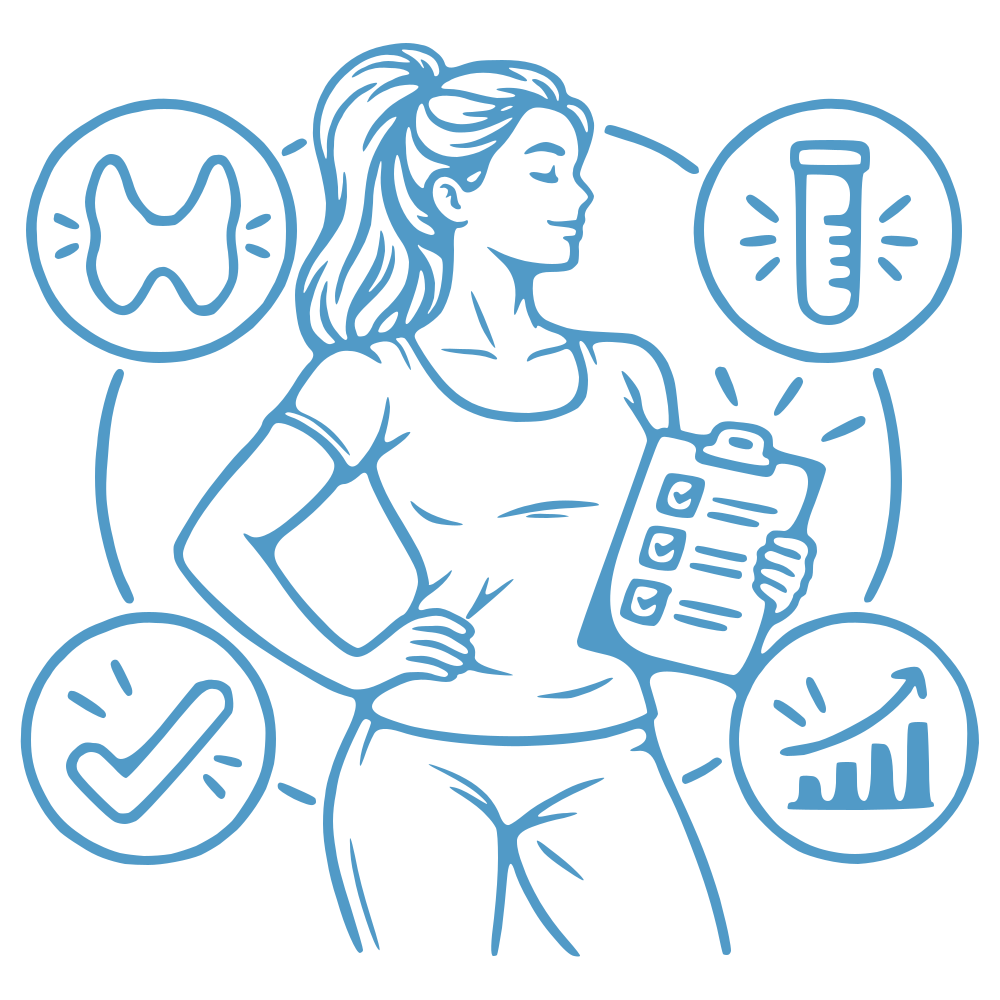
Allana treats hypothyroidism and Hashimoto’s in our office, using a full thyroid panel and a whole-person approach. That means looking beyond a single TSH number to understand how your thyroid, your other hormones, your nutrition, and your symptoms fit together. Many people come to us after being told their labs are fine, even though they still feel off.
Care is personal and ongoing, with the same provider at every visit, and plans are adjusted as your labs and symptoms change. It’s part of our Hormone Optimization care, and it connects closely with our lab testing.
What Your Thyroid Does
A Small Gland With a Big Role
Your thyroid is a small, butterfly-shaped gland in the front of your neck. The hormones it makes help regulate energy, metabolism, body temperature, heart rate, digestion, and much more. In a sense, it sets the pace for how your body runs.
When the thyroid is underactive, many of the body’s processes slow down. People may notice fatigue, weight changes, feeling cold, dry skin, thinning hair, constipation, low mood, or brain fog. According to the National Institutes of Health, hypothyroidism is more common in women and in people over 60, and it can develop so gradually that symptoms go unnoticed for months or years.
These symptoms also overlap with many other conditions, from low iron to poor sleep. That’s why testing matters, and why our guide to common causes of fatigue is a helpful companion read.
Why TSH Alone Isn't the Whole Story
Seeing the Full Feedback Loop
TSH doesn’t strictly measure thyroid function. It measures how much your pituitary is telling your thyroid to do its job. When the thyroid falls behind, the pituitary usually pushes harder, and TSH rises.
TSH is a useful screening test, but it’s one signal in a larger loop. A full thyroid panel also looks at the thyroid hormones themselves, and when appropriate, thyroid antibodies, giving a clearer picture of where there may be dysfunction and where adjustments in lifestyle, diet, or medication may help.
This is why some people are told their thyroid is “fine” based on TSH alone but still don’t feel well. Our thyroid panel guide explains TSH, free T4, and free T3, and our article on hormone symptoms with “normal” labs explores why numbers and symptoms don’t always line up.
Common Concerns We Evaluate
Energy, Weight, Temperature, Hair, Mood & Hashimoto's
Fatigue & Low Energy
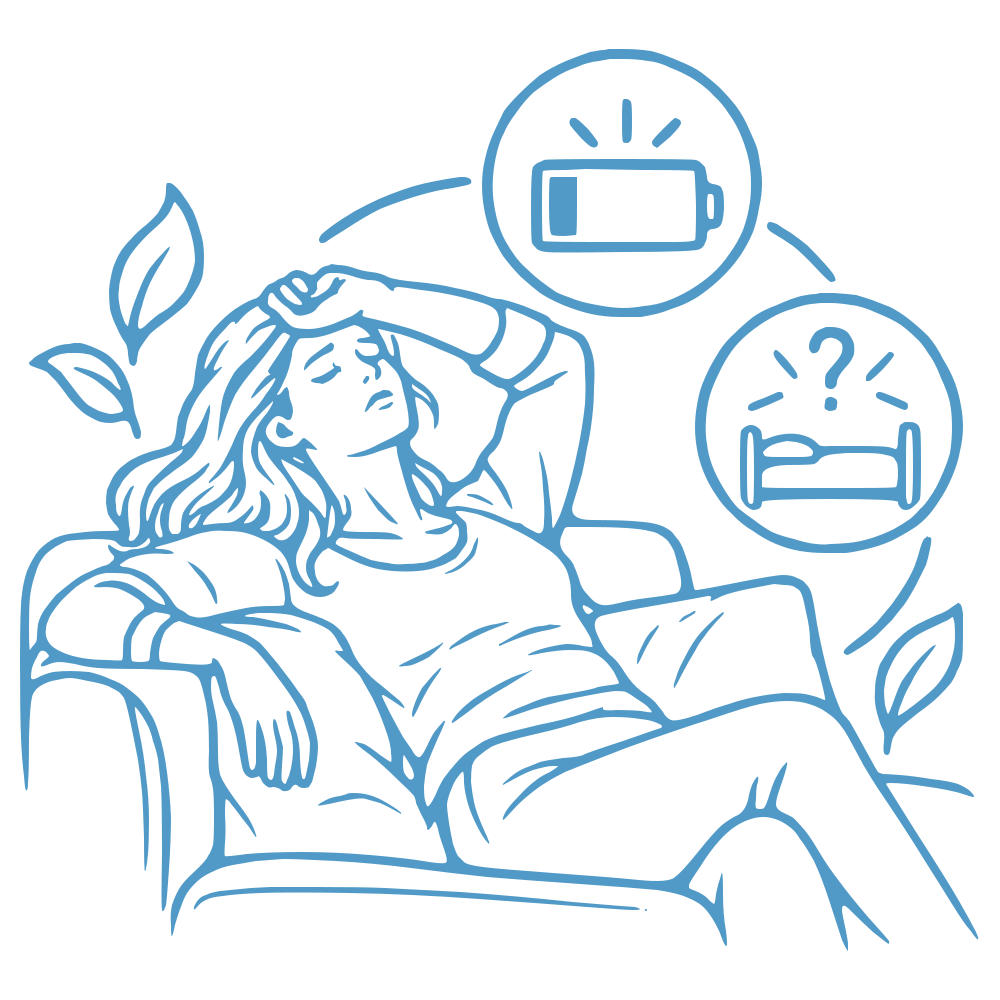
Ongoing tiredness that doesn't improve with rest, one of the most common signs of an underactive thyroid.
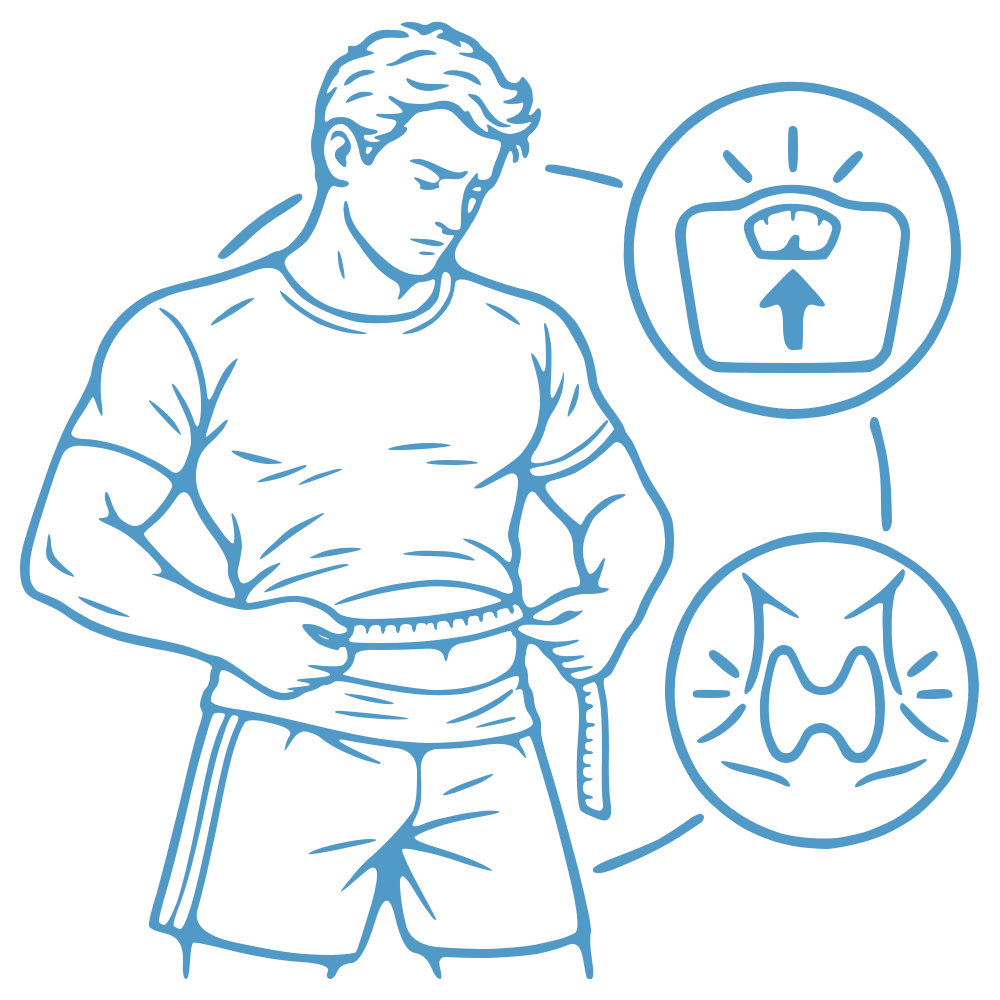
Weight Changes
Unexplained weight gain or difficulty losing weight, even with consistent eating and activity.
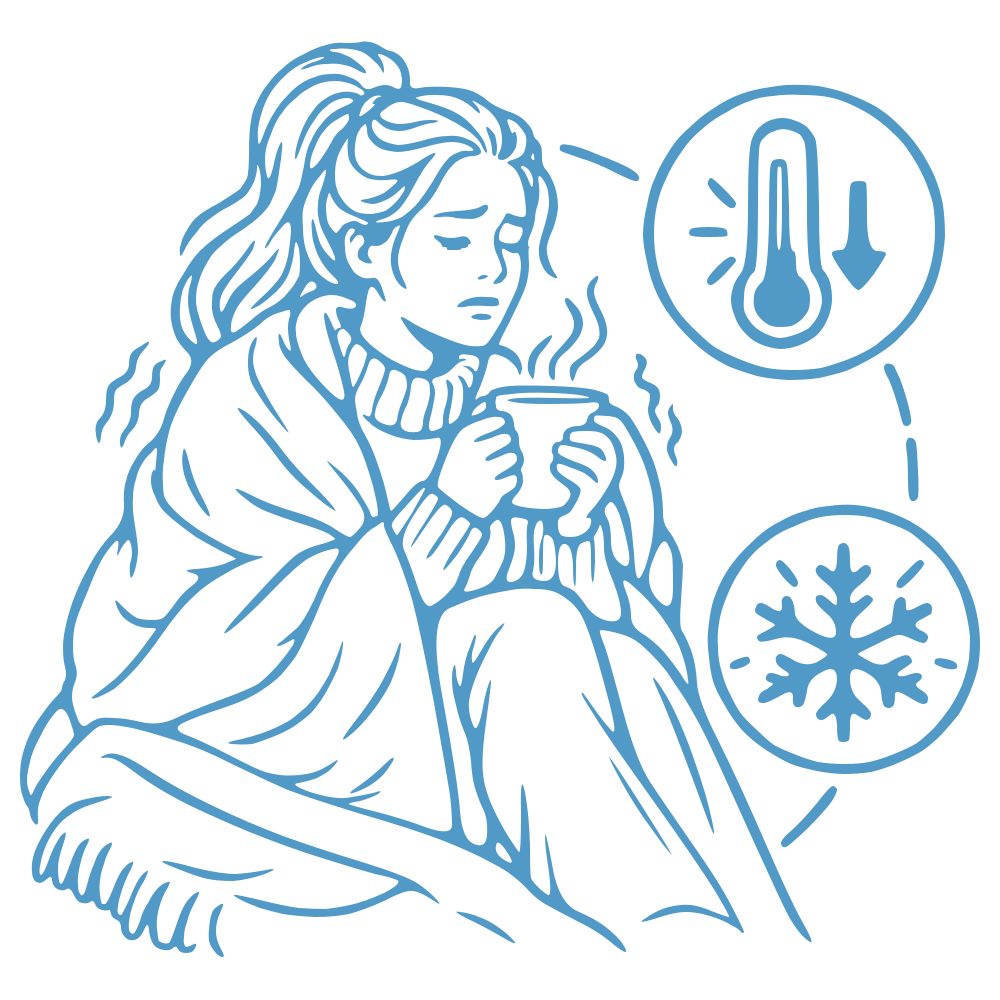
Feeling Cold
Trouble staying warm when others are comfortable, often with cold hands and feet.
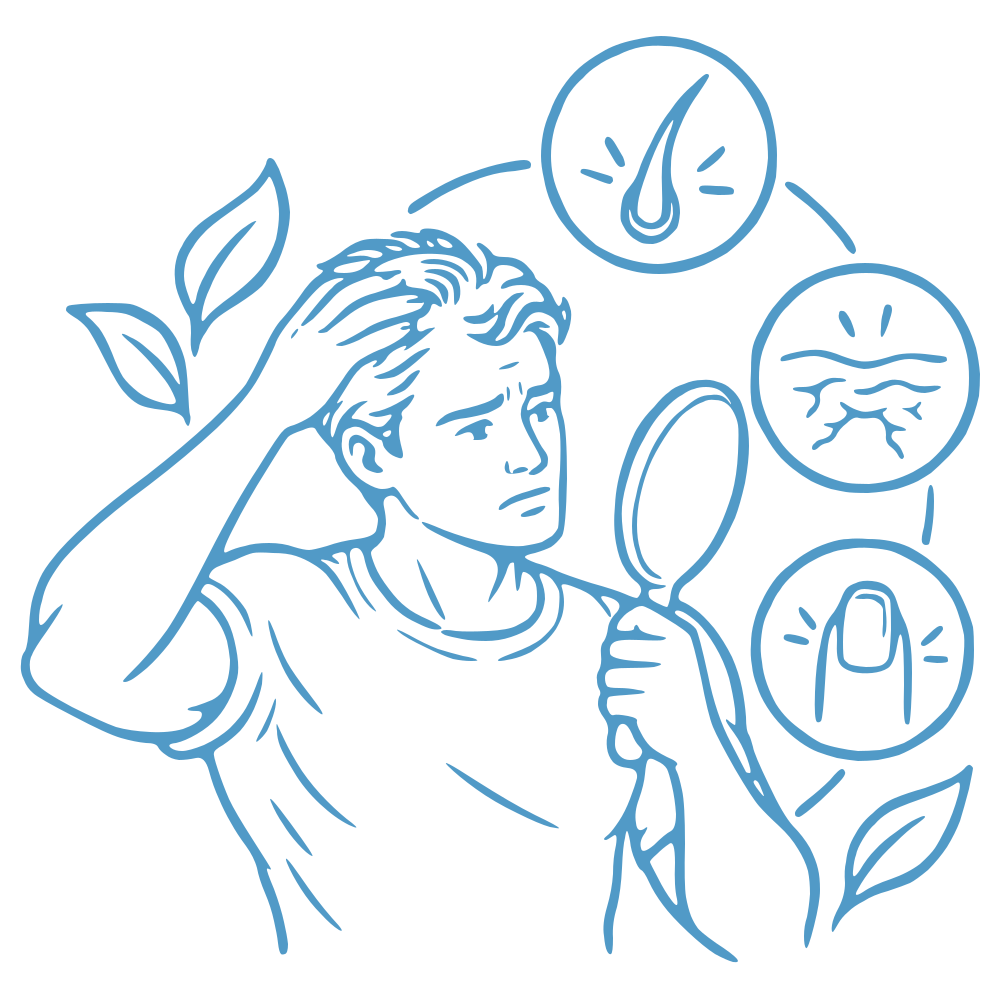
Hair & Skin Changes
Thinning or coarse hair, dry skin, or brittle nails that develop over time.
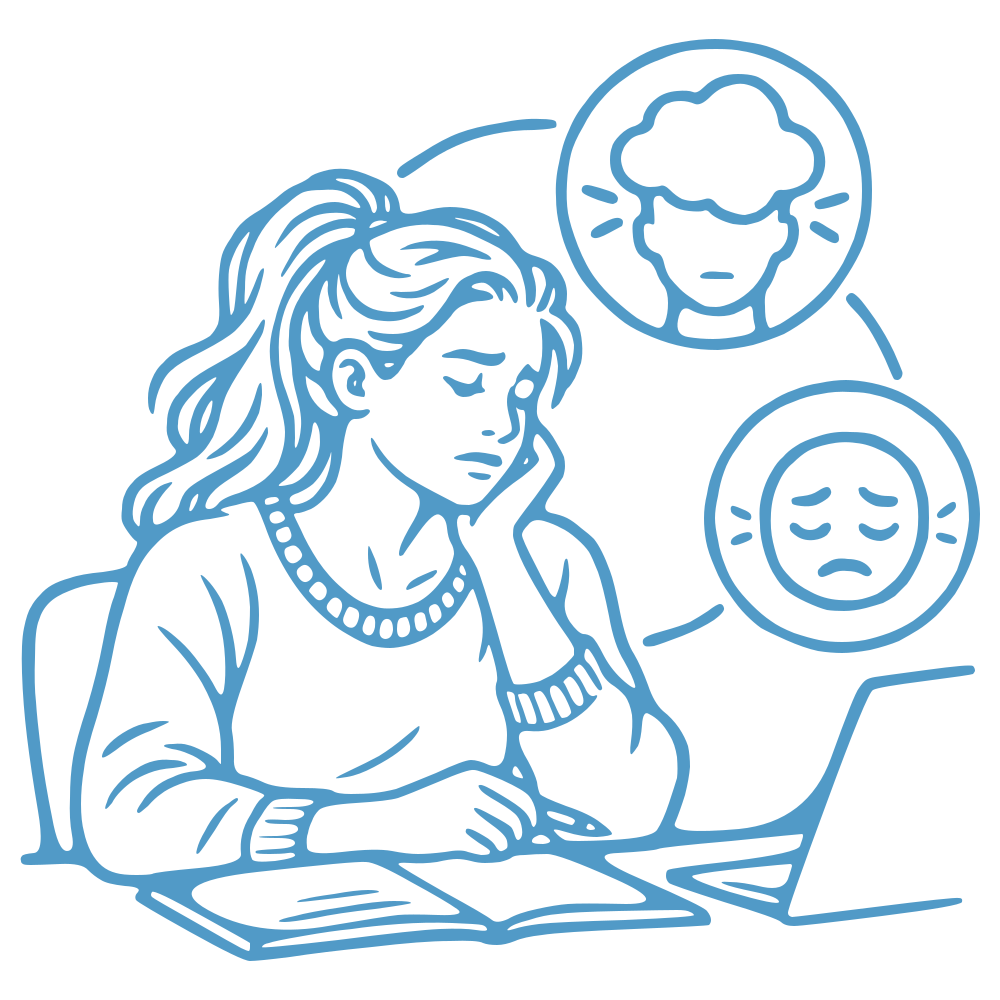
Brain Fog & Mood
Trouble focusing, forgetfulness, low mood, or feeling slowed down mentally.
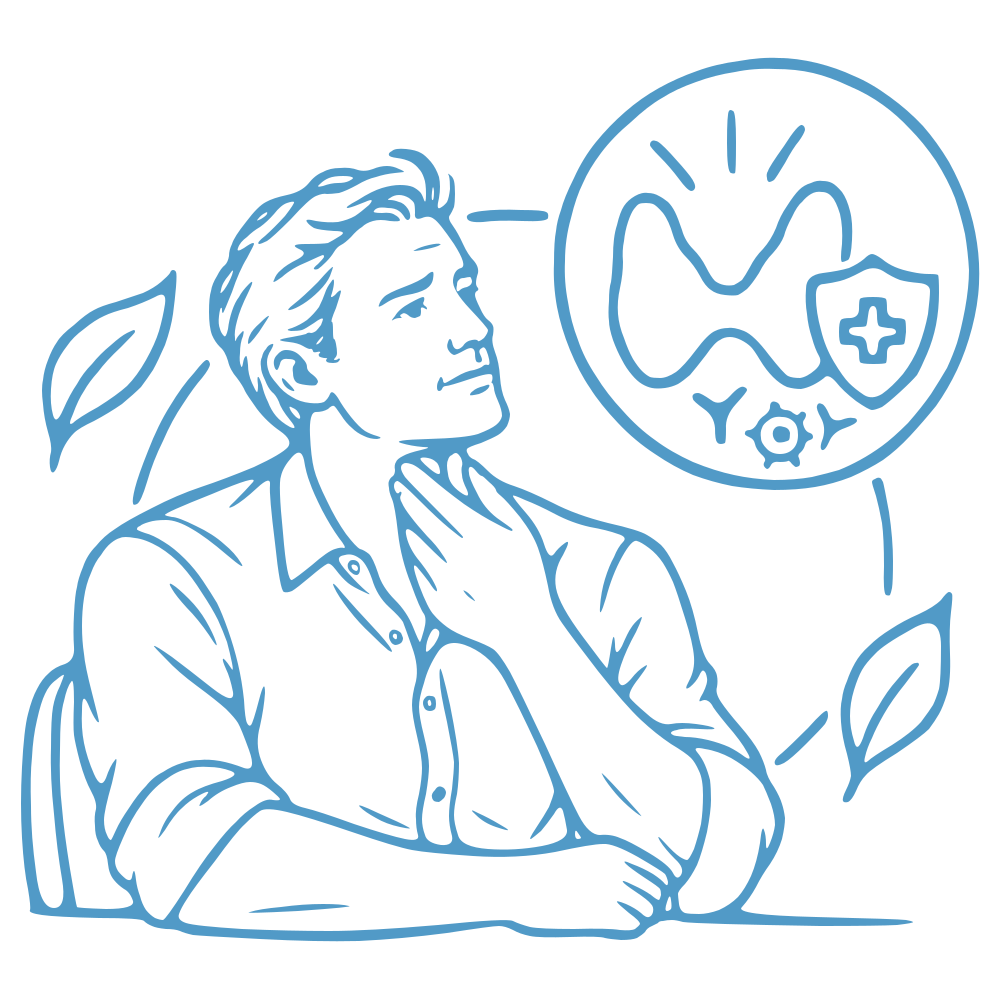
Hashimoto's
An autoimmune condition and the most common cause of an underactive thyroid in the U.S.
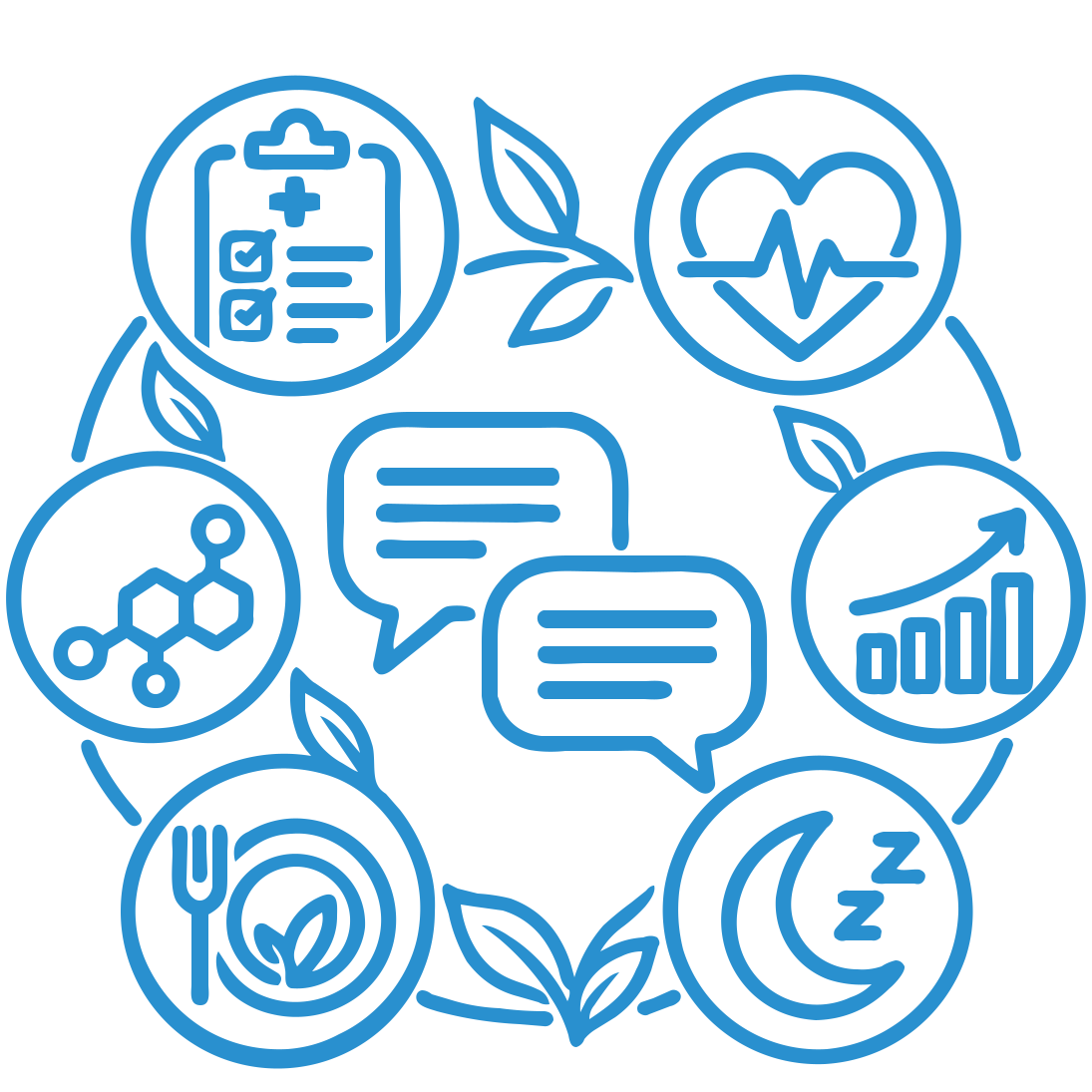
A Personalized Approach to Thyroid Care
Care Built Around Your Symptoms, Labs, and Goals
Thyroid care should reflect how you feel, not only your numbers. Allana looks at your symptoms, history, labs, and nutrition, and how your thyroid and other hormones interact.
She explains what your body and labs are telling you, what your options are, and the risks and benefits of each. You decide what fits. If your thyroid isn’t making enough hormone, thyroid hormone medication is the standard treatment, with nutrition, sleep, and stress support helping alongside it. If your labs show only antibodies or borderline changes, monitoring may be the first step. Your plan reflects your results and your preferences.
Because thyroid needs can change over time, with age, weight changes, pregnancy, or other medications, care is ongoing rather than a one-time fix.
Throughout, the goal is the same: helping you feel like yourself again, with care that’s grounded in your labs and honest about what any treatment can and can’t do.
What to Expect at Your First Visit
A Thorough Conversation and a Comprehensive Panel
Your first visit covers your symptoms, medical and family history, medications, and goals. Thyroid conditions often run in families, so we ask about relatives too.
We order a full thyroid panel as part of a comprehensive morning lab draw in our office. Because other conditions can look like thyroid problems, the panel also checks things like iron, vitamin levels, and blood sugar.
Once results are in, we review them together, explain what each marker means for you, and talk through your options. If you’re already on thyroid medication, bring the name and dose so we can see how your current treatment is working.
Thyroid Treatment Options
Tailored to Your Results and Adjusted Over Time
Treatment depends on your labs and how you feel, and plans are reviewed and adjusted as you go.
For hypothyroidism, the most common treatment is replacing the thyroid hormone your body isn’t making enough of. Finding the right dose usually takes some fine-tuning, with follow-up labs after each change. According to the NIH, labs are typically rechecked about 6 to 8 weeks after starting or adjusting medication.
Medication is often only part of the picture. Nutrition, sleep, stress, and other hormones all affect how you feel, so we address those as well.
Consistency matters with thyroid treatment. Taking medication the same way each day, keeping follow-up appointments, and letting us know about new medications or supplements all help keep your levels steady and your plan on track.
Thyroid Medication
When appropriate, thyroid hormone medication may be prescribed to replace what your thyroid isn't making, then adjusted based on your labs and symptoms. It's usually taken daily, at a consistent time, and some foods, supplements, and medications can affect how it's absorbed, so we review timing with you. Never stop or change your dose without talking to your provider. If you're pregnant or planning a pregnancy, let us know right away, since thyroid medication needs often change early in pregnancy.
Nutritional Support
Certain nutrients support thyroid health, and deficiencies can also mimic or worsen thyroid symptoms. We look for deficiencies that may play a role and recommend support only when it fits your results, since more isn't always better.
Lifestyle & Diet
Sleep, stress, and diet can affect thyroid function and how you feel day to day. We talk through practical changes that fit your life.
Ongoing Monitoring
Follow-up labs help fine-tune your plan, especially after any change in medication, weight, or other health conditions.
Thyroid & Your Other Hormones
Why We Look at the Bigger Picture
Thyroid and sex hormones influence each other. Thyroid changes can affect menstrual cycles, libido, and energy, while changes in estrogen and testosterone can affect how thyroid hormone works in the body.
Certain proteins in the blood also affect how much hormone is actually available. A protein called SHBG, for example, binds sex hormones and is itself influenced by thyroid function.
Looking at these together helps explain symptoms that one test alone might miss, like fatigue that persists despite “normal” thyroid labs, or hair thinning with more than one cause. Learn more about hormone optimization.
This matters especially for women in perimenopause or menopause, when thyroid symptoms and hormone changes can overlap and be hard to tell apart.
Hashimoto's & Autoimmune Thyroid
Identifying the Cause, Not Just the Low Numbers
Hashimoto’s is an autoimmune condition in which the immune system attacks the thyroid, gradually reducing its ability to make hormone. According to the NIH, it is the most common cause of hypothyroidism in the United States.
A full panel can include thyroid antibodies, which help identify Hashimoto’s, sometimes before thyroid hormone levels change. Knowing the cause helps guide monitoring and treatment.
Allana manages Hashimoto’s in-house as part of your overall plan, including nutrition guidance. For example, people with autoimmune thyroid conditions may be sensitive to large amounts of iodine from supplements or seaweed, so we review what you take.
Not everyone with thyroid antibodies needs medication right away. Some people simply need regular monitoring, with treatment added if and when thyroid hormone levels change. We’ll explain where you are and what to watch for.
When We Refer to an Endocrinologist
For more complex cases, such as when several hormonal issues are involved beyond thyroid and sex hormones, or when a thyroid nodule, overactive thyroid, or other specialty concern is suspected, Allana refers to an endocrinologist and helps coordinate the next steps.
Medical Disclaimer
This content is for informational purposes only and is not medical advice. No treatment can guarantee results, and medication changes should only be made with your provider. A new lump in the neck, trouble swallowing, or a racing heart should be evaluated promptly. See our Medical Disclaimer.
Your Thyroid Care Process
From Consultation Through Follow-Up and Adjustments
Consultation
Your symptoms, family history, medications, and goals, including any current thyroid treatment.

Full Thyroid Panel
A comprehensive morning lab draw in our office that looks well beyond TSH.

Your Personalized Plan
Results, options, risks, and benefits, explained clearly so you can choose what fits.

Follow-Up & Adjustments
Retesting and dose or plan adjustments as your body responds over time.

Meet Your Thyroid Care Provider
Thyroid Care Led by an Experienced Family Nurse Practitioner
Thyroid care at Lake Forest Regenesis is led by Allana Bush, FNP-C, RN, PHN, MSN, a family nurse practitioner with more than 20 years of healthcare experience.
Her clinical focus includes hormone optimization, sexual wellness, functional and regenerative medicine, medical weight management, metabolic health, and personalized wellness care. This broader perspective allows your thyroid to be considered within the context of your overall health, including how it interacts with your other hormones.
Allana treats hypothyroidism and Hashimoto’s in-house and refers to an endocrinologist when a case is more complex.
Benefits of Whole-Person Thyroid Care
Designed to look at the whole picture and adjust as your body responds.
Full Thyroid Panel
More than a single TSH number, including antibodies when appropriate.

Looks for the Cause
Including autoimmune, nutritional, and other hormonal factors behind your symptoms.
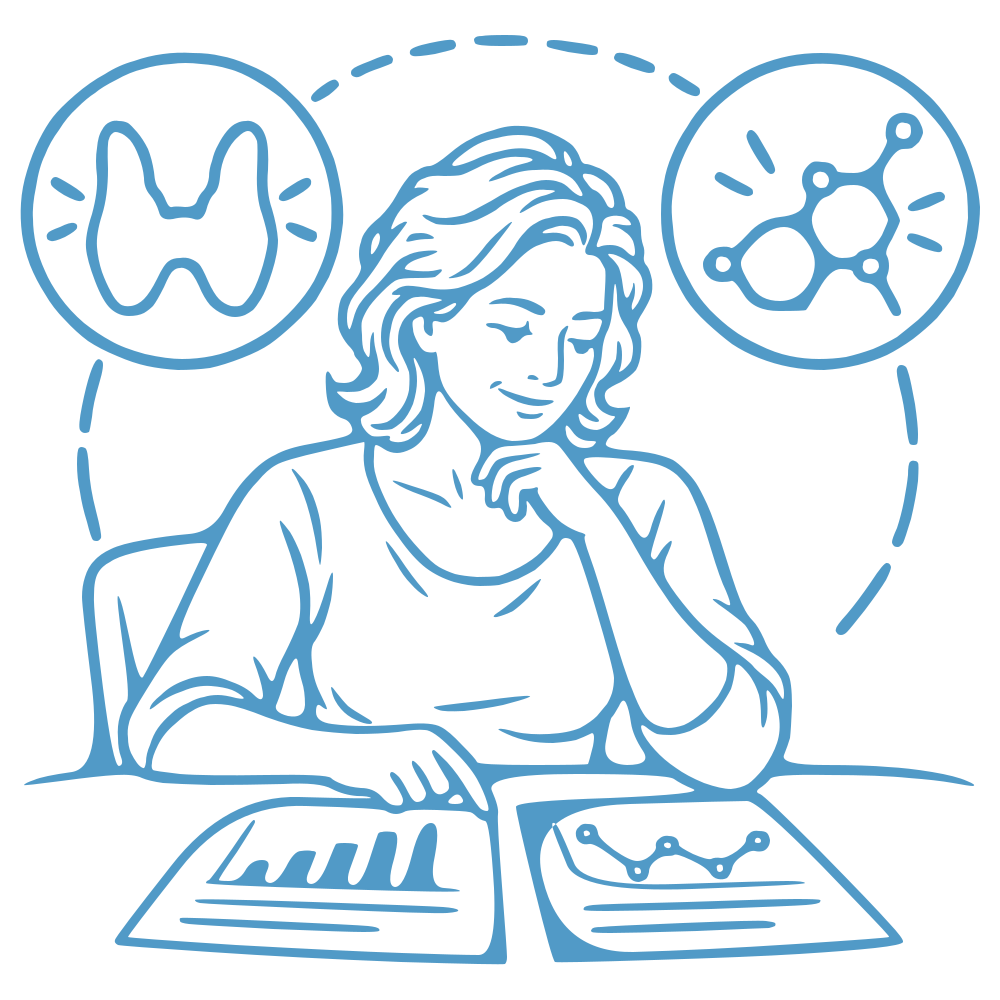
Hormones Viewed Together
Thyroid and sex hormones considered side by side, since they affect each other.
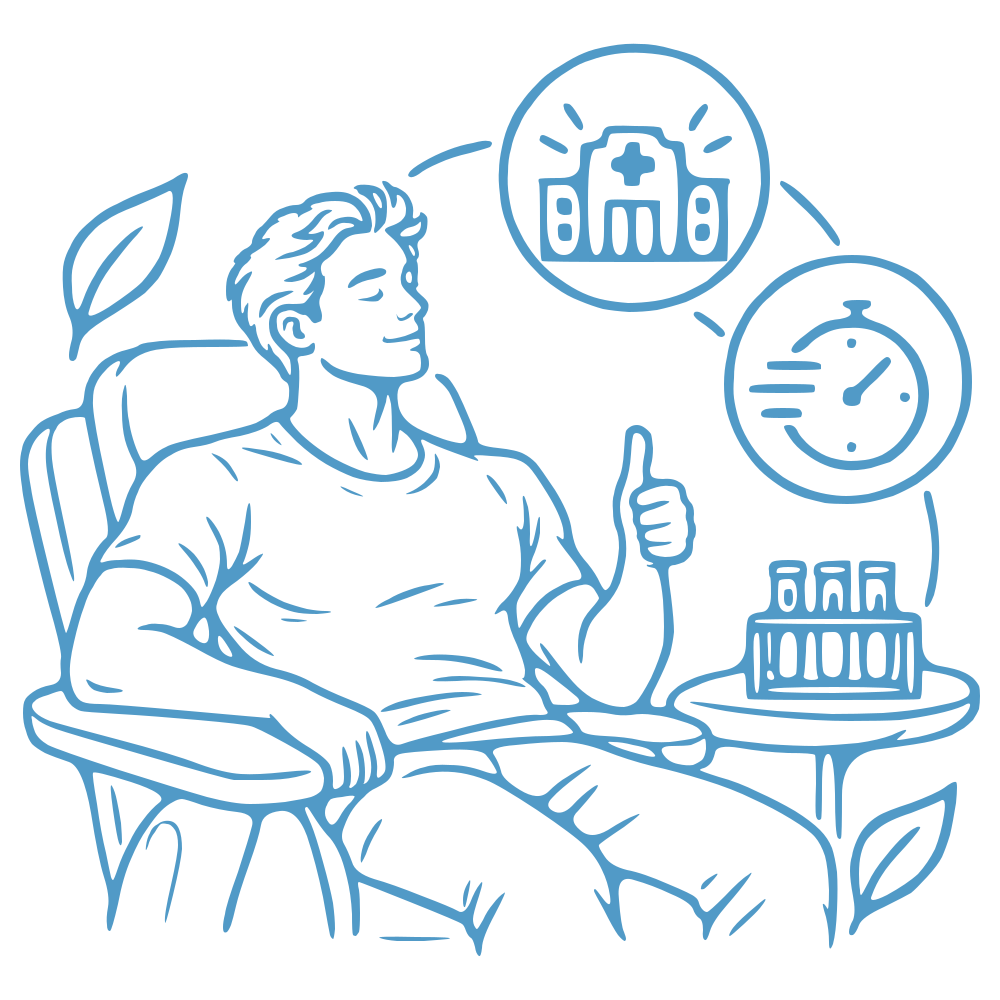
In-Office Lab Draws
Testing done right here in our office, with results reviewed with you.

Adjusted Over Time
Plans evolve with your labs and symptoms, because thyroid needs can change.

You Make the Decisions
Clear options, risks, and benefits so you can choose what fits.

Related Reading
Thyroid & Hormone Articles From Our Patient Education Library
Thyroid Care Frequently Asked Questions
Answers to Common Questions About TSH, Hashimoto's & Treatment
My TSH is normal, but I still feel off. Why?
TSH shows how hard your pituitary is signaling your thyroid, not the whole picture. A full panel, along with your symptoms, can show more.
Do you treat Hashimoto's?
Yes. Allana treats Hashimoto's and hypothyroidism in-house, and refers more complex cases to an endocrinologist.
Will I need medication?
If labs show your thyroid isn't making enough hormone, thyroid hormone medication is the standard treatment. With only antibodies or borderline results, monitoring may come first.
How often will my thyroid be checked?
Follow-up labs are scheduled based on your plan, usually 6 to 8 weeks after any change in treatment, then less often once stable.
Can thyroid problems cause weight gain?
An underactive thyroid can contribute, but weight has many causes. Our guide to unexplained weight gain covers what an evaluation looks for.
Can you see me if I already take thyroid medication?
Yes. Bring your medication name and dose, and we'll review how your current treatment is working.
Start Your Regenesis Today
Take the Next Step Toward Personalized Thyroid Care
Begin With a Consultation
We review your symptoms, family history, medications, and goals, including any thyroid treatment you’re already on.
Get a Full Thyroid Panel
A comprehensive morning lab draw in our office that looks beyond TSH.
Review & Plan
Clear answers and options, adjusted over time. Results vary, and no treatment can be guaranteed. See our Medical Disclaimer.
A Personal Message From Your Provider
Your Thyroid Is Part of a Bigger Picture
“A single number doesn’t tell me how you feel. I’ve seen too many people told their thyroid is fine while they’re still exhausted, cold, and frustrated.
I want to see the whole loop, from the signal your pituitary is sending to what your thyroid is actually producing, and explain what it means for you in plain language.
Then I help you decide what to adjust, whether that’s medication, nutrition, or something else, and we keep checking in as your body responds.”
Allana Bush, FNP-C, RN, PHN, MSN
Medical Weight Management & Hormone Optimization
Lake Forest, IL