Quick Answer
If you keep asking “why am I so tired?”, you are not alone. Ongoing tiredness is one of the most common reasons adults see a provider, and it often has more than one cause. Sleep, stress, thyroid function, iron and vitamin levels, blood sugar, hormones, mood and medications can all play a part. If fatigue lasts more than a few weeks or affects daily life, it is worth a medical evaluation.
Who this is for: adults who feel tired most days for weeks or longer, even after rest, and want to understand what could be behind it.
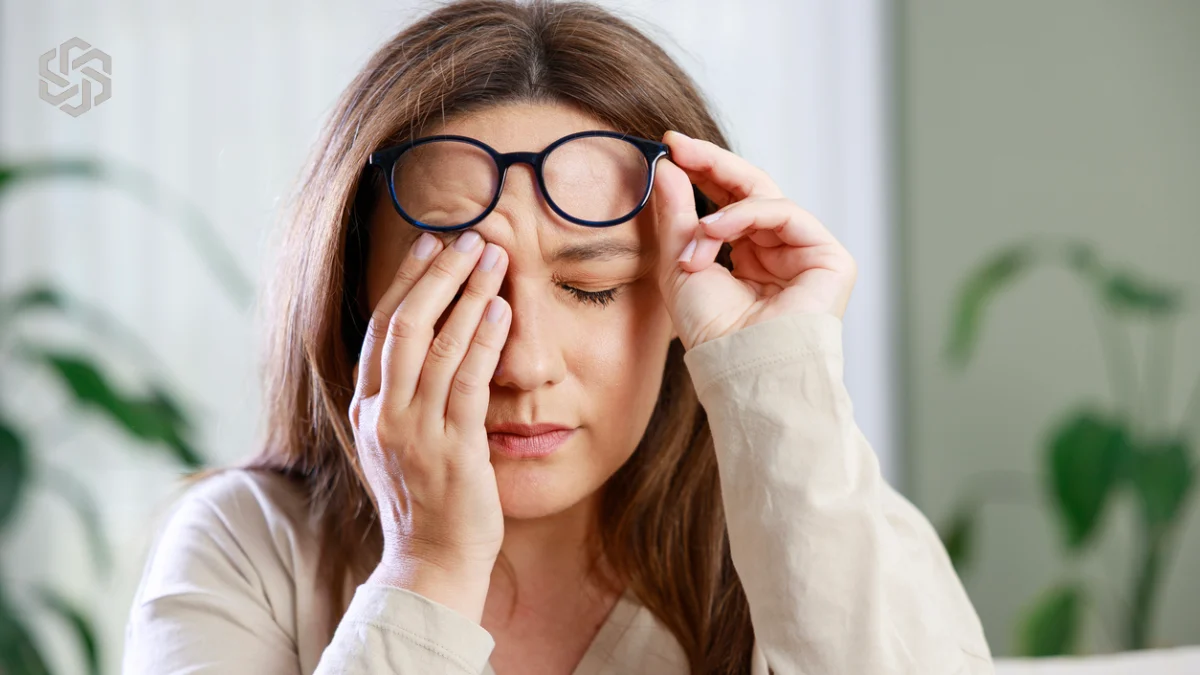
Tiredness vs. Fatigue: What's the Difference?
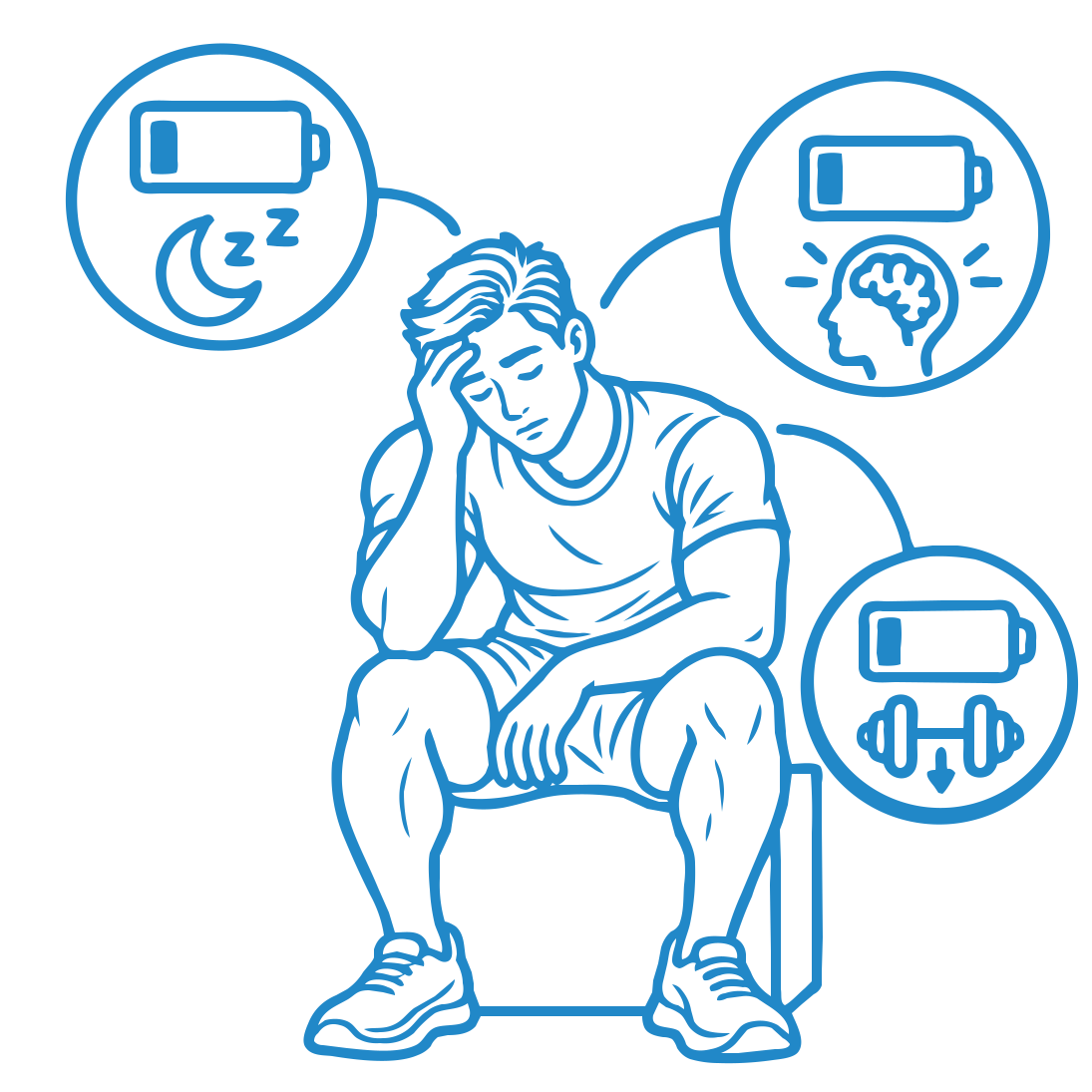
Everyone feels tired after a poor night’s sleep, a hard workout or a stressful week. That kind of tiredness usually improves with rest. Fatigue is different. It is a lasting lack of energy or motivation that does not go away with a good night’s sleep and can make it harder to work, exercise, focus or enjoy the things you normally do.[1]
Fatigue is a symptom, not a diagnosis. It is the body’s way of signaling that something is out of balance, and the cause is not always obvious. That is why a thoughtful evaluation usually looks at several areas of health at once rather than searching for a single answer.
Common Medical Causes of Fatigue
Many conditions can cause or contribute to fatigue.[1][2] Some of the most common include:
Sleep problems
Not getting enough sleep is the most common cause, but sleep quality matters too. Sleep apnea, insomnia, restless legs and frequent waking during the night can all leave you exhausted even if you spend enough hours in bed.
Thyroid changes
An underactive thyroid can slow many of the body’s processes, leading to fatigue, feeling cold, weight changes, constipation and dry skin.
Low iron or anemia
Iron helps carry oxygen through the body. Low iron stores or anemia can cause tiredness, shortness of breath with activity, headaches and feeling lightheaded. It is especially common in women with heavy periods.
Blood sugar and metabolic health
Insulin resistance, prediabetes and diabetes can affect energy levels, particularly after meals.
Hormone changes
Perimenopause and menopause in women and low testosterone in men can affect sleep, mood and energy.
Mood, stress and mental health
Depression, anxiety and long-term stress commonly show up as fatigue, sometimes before other symptoms are noticed.
Medications and other factors
Some blood pressure medications, antihistamines, sleep aids and antidepressants can cause tiredness. Alcohol, dehydration, a low-nutrient diet, recent infections and other chronic conditions can also contribute.

Fatigue often has more than one contributing cause.
What an Evaluation Usually Looks At
Because fatigue can come from so many directions, a good evaluation starts with your story: when the tiredness started, whether it is constant or comes and goes, how you are sleeping, what your stress and activity look like, and what medications and supplements you take.
From there, a provider may recommend lab work based on your symptoms and history. Common tests include a complete blood count, iron studies, a thyroid panel, blood sugar or A1c, vitamin levels such as B12 and vitamin D, and, when symptoms point that way, hormone testing. A sleep evaluation may be suggested if snoring, gasping at night or daytime sleepiness suggest sleep apnea.
The goal is not to order every possible test. It is to connect your symptoms, history and results so the next steps make sense for you.
What You Can Do Now
While you are waiting for an evaluation, a few habits can help you notice patterns and support your energy:
- Keep a regular sleep schedule and track how many hours you actually sleep
- Note when fatigue is worst, such as mornings, after meals or late afternoon
- Stay hydrated and eat regular meals that include protein
- Limit alcohol, especially close to bedtime
- Add light activity, such as walking, if you are able
- Write down any other symptoms, even if they seem unrelated
Bringing these notes to your appointment can make the visit more productive.

How We Approach Fatigue at Lake Forest Regenesis
Allana looks at fatigue as a whole-person question rather than a single lab value. She reviews your history, sleep, stress, nutrition, activity and medications, then orders labs based on your symptoms, such as thyroid, iron, vitamin and blood sugar testing, and hormone testing when it fits the picture. Results are reviewed alongside how you feel, and the plan focuses on the factors most likely to be driving your symptoms, with follow-up to see what is improving.
When to See a Provider
Seek care promptly if fatigue comes with chest pain, shortness of breath, fainting, unexplained weight loss, fever or night sweats that do not go away, blood in your stool, very heavy periods, new weakness on one side of the body, or thoughts of harming yourself. Call 911 or go to the emergency room for chest pain, trouble breathing or sudden weakness. For thoughts of self-harm, call or text 988. Fatigue that lasts more than two weeks without a clear reason is worth scheduling a visit.
Tired for weeks even after rest? Allana can review your history, sleep and medications and order labs matched to your symptoms.
Frequently Asked Questions
How long is too long to feel tired?
Tiredness that improves with rest is usually not a concern. If fatigue lasts more than two weeks, keeps coming back or makes daily life harder, it is worth talking with a provider.
Can my labs be normal and I still feel exhausted?
Yes. Normal results can rule out some causes, but sleep quality, stress, mood, activity and nutrition can all cause fatigue without changing lab values. Results are most useful when they are read alongside your symptoms.
Will vitamins or supplements fix my fatigue?
They may help if you have a specific deficiency, such as low iron, B12 or vitamin D. Without a deficiency, supplements are less likely to make a difference, and some can cause problems in high doses. Testing first helps guide what makes sense.
Is fatigue a sign of a hormone problem?
It can be. Thyroid changes, perimenopause, menopause and low testosterone can all contribute to fatigue. Because fatigue has many possible causes, hormones are usually evaluated alongside other factors.
References
- MedlinePlus. Fatigue. U.S. National Library of Medicine. Read the article
- Cleveland Clinic. Fatigue: causes and treatment. Read the article
This article is for general education and is not a substitute for individual medical advice. See our medical disclaimer.