

Quick Answer
When comparing weight loss vs. fat loss, the difference is what is actually being lost. Weight loss is any drop on the scale, which can include fat, muscle and water. Fat loss is a reduction in body fat specifically. Body composition describes how much of your body is fat compared with muscle, bone and water. Two people can weigh the same and have very different health, which is why the goal is to lose fat while keeping muscle.
Who this is for: adults working on their weight who want to understand what the scale does and does not show.
What the Scale Measures
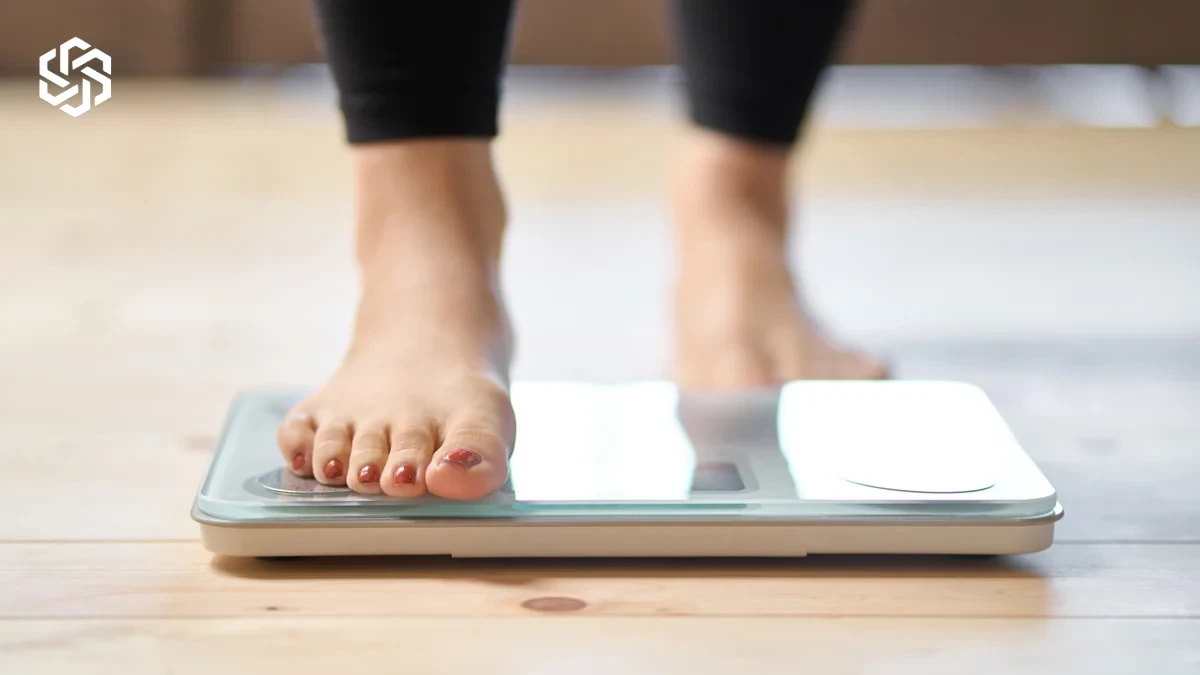
A scale measures everything: fat, muscle, bone, organs, water and even the food in your digestive system. That is why your weight can change by a few pounds from one day to the next without any real change in body fat. Salt, carbohydrates, hormones, alcohol, exercise and travel can all shift how much water your body holds.
The scale is still a useful tool. It is simply one piece of information, and it works best when you watch the trend over several weeks instead of reacting to a single number.
What Body Composition Tells You
Body composition breaks your weight into parts, most commonly fat mass and lean mass. Lean mass includes muscle, bone, organs and water. Two people can have the same height and weight, yet one may carry much more muscle and much less fat than the other.
Where fat is stored also matters. Fat around the abdomen and organs is more closely linked with insulin resistance, heart disease and type 2 diabetes than fat stored elsewhere.[1] That is why waist measurement can add helpful information alongside weight and body mass index.

The same weight can look very different depending on body composition.
Why Losing Fat, Not Muscle, Is the Goal
When people lose weight quickly, without enough protein or without strength training, a larger share of what they lose can be muscle. Losing muscle can reduce strength, make daily activities harder, lower the number of calories the body uses and make it more difficult to keep weight off.
This is especially relevant for people using GLP-1 medications. A 2025 joint advisory from four medical and nutrition organizations emphasized adequate protein and strength training to help preserve lean mass during treatment.[2]
Can you lose fat without losing weight?
Sometimes, yes. People who start strength training, especially if they are new to it, may lose fat and gain or keep muscle at the same time. The scale may barely move, while the waistline shrinks and strength improves.
Better Ways to Track Progress
Combining a few measures gives a much clearer picture than the scale alone:
- Weekly average weight instead of daily readings
- Waist and hip measurements every few weeks
- How your clothes fit
- Strength, such as the weight you can lift or the number of repetitions
- Energy, sleep and how you feel day to day
- Lab results such as blood sugar, A1c and cholesterol, when appropriate
- Body composition testing, when it is available
Body composition tools vary in accuracy. Home scales that estimate body fat can be affected by hydration, so they are most useful for tracking trends under consistent conditions rather than for exact numbers.

How We Track Progress at Lake Forest Regenesis
Allana looks beyond the number on the scale. Progress is tracked with weight trends, measurements, strength, energy and, when appropriate, lab results, so changes in body composition are not missed. Plans emphasize protecting muscle with protein and strength training, and are adjusted if progress on the scale and in the body start to move in different directions.
When to See a Provider
Talk with a provider if you are losing weight without trying, losing strength, feeling unusually weak or dizzy, or if your waist size is increasing even though your weight is stable. Reach out for support if tracking your weight or food is causing distress.
Want to know what’s really changing beyond the scale? We can track measurements, strength and labs alongside your weight.
Frequently Asked Questions
Is BMI a good measure of health?
BMI is a quick screening tool, but it does not distinguish fat from muscle or show where fat is stored. It is most useful combined with waist measurement, labs and other information.
Why did my weight go up after I started exercising?
Muscles hold more water and stored energy after new exercise, and soreness can cause temporary fluid retention. This often settles within a few weeks.
How often should I weigh myself?
Some people do well weighing daily and tracking the weekly average, while others prefer weekly weigh-ins. Choose what helps you notice trends without causing stress.
Are body fat scales accurate?
They can be useful for tracking trends but are less precise than clinical methods. Hydration, meals and exercise can change the reading.
References
- National Institute of Diabetes and Digestive and Kidney Diseases. Understanding adult overweight and obesity. Read the article
- Mozaffarian D, et al. Nutritional priorities to support GLP-1 therapy for obesity: a joint advisory from the American College of Lifestyle Medicine, the American Society for Nutrition, the Obesity Medicine Association and The Obesity Society. 2025. Read the advisory
This article is for general education and is not a substitute for individual medical advice. See our medical disclaimer.




