






Tirzepatide Weight
Loss Therapy
in Lake Forest, IL
Personalized, Provider-Guided Treatment Designed Around Your Health & Weight Goals
Provider-guided tirzepatide treatment
★★★★★
“Wonderful very friendly staff and great services.” — Stella M.
Rated 5.0 on Google · 42 reviewsPersonalized Tirzepatide Therapy for Medical Weight Loss
Provider-Guided Treatment Focused on Appetite, Metabolic Health & Long-Term Weight Management
Lake Forest Regenesis provides personalized tirzepatide-based medical weight loss for men and women in Lake Forest, Chicago’s North Shore, and Lake County.
Tirzepatide is a dual GIP and GLP-1 receptor agonist that acts on pathways involved in appetite, fullness, food intake, and blood sugar regulation. When clinically appropriate, it may be incorporated into a comprehensive medical weight-management program alongside nutrition, physical activity, lifestyle support, and ongoing medical monitoring.
Care is led by Allana Bush, FNP-C, a family nurse practitioner with 22 years of healthcare experience and a clinical focus in medical weight management, hormone optimization, and metabolic health.
Treatment is individualized based on your health history, medications, weight-related concerns, treatment goals, response, and tolerance rather than following the same approach for every patient.
Provider-Guided Care • Tirzepatide Treatment • Ongoing Monitoring • Lifestyle Support • Long-Term Care
What Is Tirzepatide?
A Dual GIP and GLP-1 Weight Management Medication
Tirzepatide is a dual GIP and GLP-1 receptor agonist that acts on pathways involved in appetite, fullness, food intake and blood sugar. It may be used in a medically supervised weight-management program for eligible patients.
When compounded tirzepatide is prescribed, it is prepared by an FDA-registered compounding pharmacy; compounded medications are not FDA-approved, and your provider will explain your options. Treatment considers your history, medications and goals, and may include nutrition guidance, lifestyle support and ongoing monitoring.
How Tirzepatide Works
Acting on Two Appetite-Related Hormone Pathways
Tirzepatide activates GIP and GLP-1 receptors, two hormone pathways involved in appetite, fullness, food intake and blood sugar. This dual action may help eligible patients manage hunger, feel fuller and eat less as part of a broader program.
Treatment usually starts at a lower dose that increases gradually, adjusted for response and tolerance. Follow-up monitors progress, appetite and side effects, while nutrition, activity and sleep remain important for long-term weight management.
Why Patients Consider Tirzepatide for Weight Management
A Medical Option for Appetite Support, Metabolic Health & Long-Term Progress
Tirzepatide may be considered for eligible patients who have struggled to lose or maintain weight through lifestyle changes alone and want a more structured medical approach.
Because tirzepatide acts on both GIP and GLP-1 receptors, it may help support appetite control, feelings of fullness, and reduced food intake as part of a broader weight-management plan.
At Lake Forest Regenesis, tirzepatide is not treated as a stand-alone solution. Care also considers nutrition, physical activity, sleep, metabolic health, medications, and other individual factors that may affect progress.
The goal is to use treatment, when appropriate, as part of a personalized and sustainable long-term weight-management strategy.
Not sure where to start? Our free, 2-minute Weight Loss Readiness Check looks at your history and health and shows what kind of support may fit.
What Your Tirzepatide Program May Include
Personalized Treatment Designed Around Your Health, Goals & Response
Full Evaluation
Your program starts with a review of your health history, medications, past weight-loss efforts and goals to see whether tirzepatide may be appropriate for you.

Medication Plan
When clinically appropriate, Allana builds an individualized tirzepatide plan to help with hunger and fullness, adjusted over time to your response and tolerance.

Lifestyle Support
Medication works best alongside nutrition, physical activity, sleep and sustainable habits, which also support your metabolic health and long-term weight management.

Ongoing Monitoring
Regular follow-up tracks your progress, appetite changes, side effects and tolerance, so treatment can be adjusted and shift toward long-term maintenance.
Your First Visit
Your Plan Adjusts as You Go
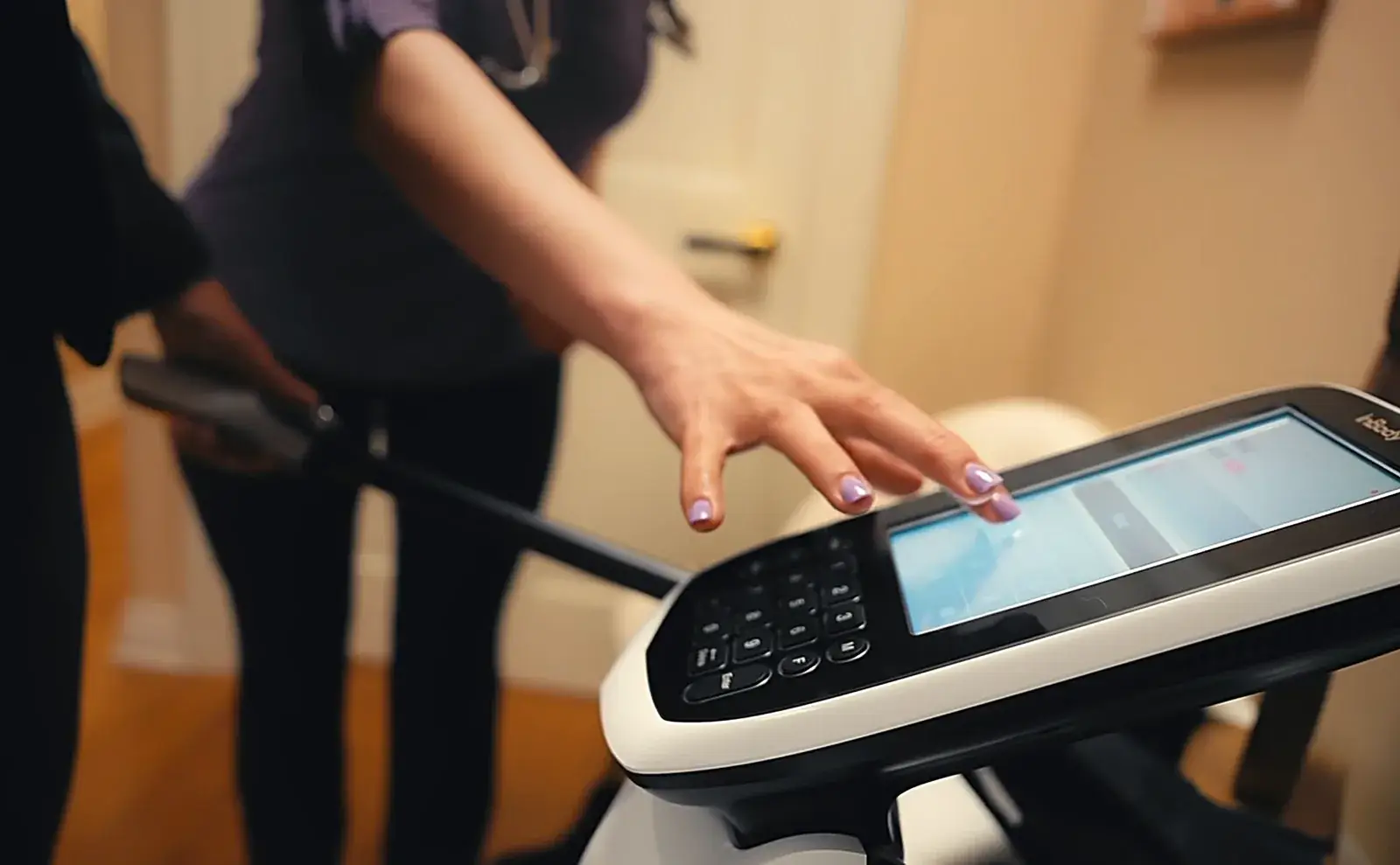
At each follow-up, Allana reviews side effects, progress and your body composition results so your tirzepatide plan can be adjusted when needed.
- 90-Minute First Visit
- Labs Drawn In-Office
- Same Provider Every Visit
What to Expect From Tirzepatide Treatment
A Gradual, Monitored Approach Based on Your Response & Tolerance
Tirzepatide treatment typically begins gradually so your provider can evaluate medication tolerance, appetite changes, side effects, and overall response.
As treatment progresses, some patients may notice changes in hunger, fullness, portion sizes, and eating patterns as the medication begins to affect GIP and GLP-1 pathways.
Progress varies between patients, so treatment decisions are based on individual response, health needs, and tolerance rather than following the same timeline for everyone.
Regular follow-up helps your provider evaluate progress and make appropriate adjustments while supporting sustainable, long-term weight management.
Benefits of Tirzepatide Therapy
Personalized Treatment Designed Around Your Health, Goals & Response
Appetite Support
Tirzepatide acts on both GIP and GLP-1 receptors and may help reduce hunger and increase fullness, making a nutrition plan easier to follow. Individual results vary and are reviewed at each visit.

Metabolic Support
Tirzepatide may support blood sugar regulation and other metabolic markers when appropriate, with lab work and follow-up visits used to track how your body is responding to treatment over time.

Personalized Dosing
Tirzepatide is started at a low dose and increased gradually based on your response and any side effects, so your plan stays tolerable and appropriate for your health history and weight loss goals.

Lasting Results
Your plan focuses on maintaining progress, including nutrition, muscle preservation, and planning for what happens if tirzepatide is reduced or stopped, with ongoing support from your provider.

Tirzepatide Is Only Part of the Plan
Combining Medication With Nutrition, Movement & Sustainable Habits
Tirzepatide can support weight management, but long-term progress depends on more than medication alone.
Nutrition, physical activity, sleep, stress management, and daily routines can all influence weight, metabolic health, and long-term maintenance.
At Lake Forest Regenesis, treatment is designed to help patients build habits that complement their medical plan while adapting to changes in appetite, energy, body composition, and overall health.
As progress continues, your provider can help adjust the plan so treatment remains aligned with your health needs, lifestyle, and long-term weight-management goals.
Tirzepatide vs. Semaglutide
Understanding the Difference Between Two Medical Weight-Loss Options
Tirzepatide and semaglutide are both used in medical weight-management programs, but they work through different hormone pathways. Tirzepatide acts on both GIP and GLP-1 receptors, while semaglutide acts on GLP-1 receptors.
Both medications may support appetite control, feelings of fullness, reduced food intake, and weight management, but they are not interchangeable and may affect patients differently.
At Lake Forest Regenesis, your provider considers health history, current medications, treatment goals, potential risks, previous weight-loss efforts, and response to therapy when determining which option may be appropriate.
Treatment is personalized and monitored over time rather than selecting a medication based on popularity or a one-size-fits-all approach.
Is Tirzepatide Right for You?
Who Treatment May Fit, Safety and Important Information
Who May Be a Candidate for Tirzepatide?
Tirzepatide may be appropriate for adults who have struggled to lose or maintain weight through nutrition and exercise alone, or who have weight-related health concerns. Candidates should be willing to take part in ongoing follow-up and lifestyle changes, rather than viewing medication as a quick fix.
Eligibility depends on your health history, current medications, goals, previous treatment efforts and potential risks, and a consultation is needed to decide whether tirzepatide is right for you.
Who May Not Be a Candidate for Tirzepatide?
Tirzepatide is not appropriate for every patient. It is generally not used during pregnancy or breastfeeding, or for people with a personal or family history of medullary thyroid carcinoma or Multiple Endocrine Neoplasia syndrome type 2 (MEN 2).
A history of pancreatitis, certain gallbladder or kidney conditions, medication interactions or other concerns may also affect whether it can be used safely. If tirzepatide is not a fit, other weight-management options may be discussed.
Clinical Oversight & Safety
Before tirzepatide is recommended, Allana reviews your medical history, current medications, symptoms, goals and possible contraindications. The most common side effects are digestive, such as nausea, vomiting, diarrhea or constipation, which is one reason doses are usually increased gradually.
Follow-up visits monitor your progress, tolerance, side effects and labs when appropriate, and treatment may be adjusted, paused or stopped based on your response.
When We Refer to a Specialist
If tirzepatide is not a safe fit, or your history includes concerns such as pancreatitis, gallbladder disease, a personal or family history of certain thyroid cancers, or a possible eating disorder, Allana refers you to the right specialist and helps coordinate next steps.
Medical Disclaimer
This content is for informational purposes only and is not intended to diagnose, treat, cure, or prevent any disease. All therapies are prescribed only after a comprehensive medical evaluation by a licensed provider. Results and outcomes may vary. Click for Full Disclaimer
Meet Your Tirzepatide Weight Loss Provider
Personalized Medical Weight Management Led by an Experienced Family Nurse Practitioner
Tirzepatide treatment at Lake Forest Regenesis is led by Allana Bush, FNP-C, RN, PHN, MSN, a family nurse practitioner with 22 years of healthcare experience.
Her clinical focus includes medical weight management, hormone optimization, metabolic health, and personalized wellness care. Rather than treating weight as an isolated concern, Allana considers factors such as health history, medications, lifestyle, hormones, and individual goals when developing a treatment plan.
Patients receive ongoing medical guidance and monitoring throughout treatment so their tirzepatide plan can evolve based on progress, tolerance, and changing health needs.
Related Reading
Weight & Body Composition Articles From Our Patient Education Library
Frequently Asked Questions About Tirzepatide
Answers to Common Questions About Tirzepatide Weight Loss Treatment
What side effects can tirzepatide cause?
The most common side effects are digestive: nausea, diarrhea, decreased appetite, vomiting and constipation, usually most noticeable during dose increases. Less common but more serious risks include pancreatitis, gallbladder problems and dehydration-related kidney problems. Your provider monitors tolerance at each follow-up and can adjust treatment when needed.
Who should not take tirzepatide?
Tirzepatide is not used in people with a personal or family history of medullary thyroid carcinoma or MEN 2, or during pregnancy. A history of pancreatitis, gallbladder disease or kidney problems calls for a careful review first. Your provider considers your full medical history and current medications before recommending treatment.
Does tirzepatide affect birth control pills?
It can. Tirzepatide may make oral birth control less effective for about four weeks after starting and after each dose increase. Your provider can discuss using a non-oral method or adding a backup method during those periods.
How is tirzepatide taken?
Tirzepatide is usually a once-weekly injection under the skin. The dose starts low and increases gradually based on how you respond and tolerate it. Your provider explains how to take your prescribed medication.
What happens if I stop taking tirzepatide?
Appetite often returns after stopping, and studies have found that many people regain a meaningful share of the weight they lost. Planning the transition with your provider, along with steady nutrition, activity and habits, helps support long-term maintenance.
Is compounded tirzepatide the same as Zepbound or Mounjaro?
No. Compounded tirzepatide is prepared by an FDA-registered compounding pharmacy, but compounded medications are not FDA-approved and have not been reviewed by the FDA for safety, effectiveness or quality. Your provider will explain the options available to you.
Start Your Regenesis Today
Take the Next Step Toward Personalized, Provider-Guided Weight Management
Your first step is a consultation focused on understanding your health history, weight concerns, previous weight-loss efforts, medications, and treatment goals. This helps determine whether tirzepatide may be appropriate for your individual needs.
Your initial consultation is a 90-minute visit with Allana that includes your lab draw, followed by a 90-minute visit to review your results and options.
If treatment is recommended, your plan is developed around your health, lifestyle, response, and medication tolerance. Your provider can make adjustments over time based on how you are progressing and how well treatment is being tolerated.
Regular follow-up helps monitor weight changes, appetite, side effects, and overall progress while providing continued support for nutrition, activity, and sustainable habits. The goal is to create a plan that can evolve with your health and support long-term weight management.
Results vary, and no treatment can be guaranteed. See our Medical Disclaimer.
A Personal Message From Your Provider
Tirzepatide Should Be Personalized, Monitored & Part of a Bigger Plan
“My goal is to help patients use tirzepatide in a way that is medically responsible, individualized, and focused on long-term health. Medication can be a useful part of weight management, but meaningful progress also requires attention to nutrition, activity, lifestyle, and ongoing medical care.
I want patients to understand their treatment, feel comfortable asking questions, and know why their plan may change as they progress. The goal is to create an approach that supports sustainable weight management, metabolic health, and lasting lifestyle changes.”
Allana Bush, FNP-C, RN, PHN, MSN
Medical Weight Management & Hormone Optimization
Lake Forest, IL