

Quick Answer
When you stop a GLP-1 medication, appetite usually returns and many people regain a substantial amount of the weight they lost, often within a year. Improvements in blood sugar and blood pressure can also fade. That does not mean you can never stop, but it does mean stopping should be planned with your provider, with a strategy for maintaining your results.
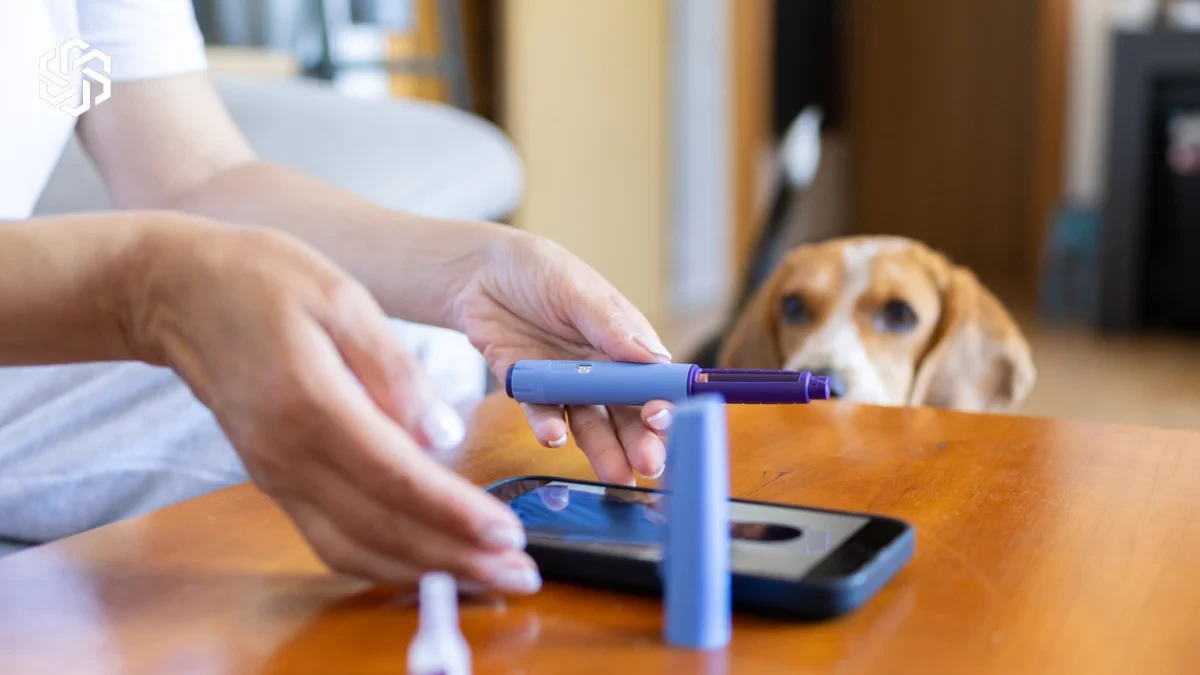
Who this is for: adults taking a GLP-1 medication who are thinking about stopping, or who want to know what to expect long term.
What the Research Shows
GLP-1 medications work in part by reducing appetite and increasing fullness. When the medication stops, those effects wear off.
In a follow-up to a major semaglutide trial, participants who stopped treatment after 68 weeks regained about two-thirds of the weight they had lost within one year, and improvements in measures such as blood pressure and blood sugar moved back toward where they started.[1]
In a tirzepatide trial, people who lost about 21 percent of their weight in the first 36 weeks and were then switched to a placebo regained about 14 percent of their body weight over the next year, while those who continued treatment kept losing.[2]

After stopping a GLP-1 medication, appetite often returns and weight tends to rise.
Why Weight Comes Back
Obesity is a long-term condition, and the body actively works to regain lost weight. After weight loss, hunger signals tend to increase and the body uses less energy. GLP-1 medications help counter these changes while you take them. When they stop, the body’s drive to regain weight is no longer offset.
This is a biological response, not a personal failure, and it is one reason many experts view these medications as long-term treatments for many people.
Common Reasons People Stop
- Side effects, such as nausea or digestive symptoms
- Cost, insurance changes or supply issues
- Reaching a goal weight
- Planning a pregnancy, which requires stopping these medications in advance
- Upcoming surgery or other medical reasons
- Personal preference
Each situation calls for a different plan, so it is worth discussing your reasons with your provider before stopping.
How to Stop a GLP-1 Medication More Safely
If you and your provider decide to stop, a plan may include:
- Tapering the dose gradually rather than stopping suddenly, when appropriate
- Strength training and enough protein to protect muscle, which supports metabolism
- Structured meals and routines that you can maintain without the medication’s appetite effects
- Regular weigh-ins so changes are noticed early
- A clear plan for what to do if weight starts to return, including restarting treatment if appropriate
- Continued monitoring of blood sugar, blood pressure and cholesterol

How We Plan for Maintenance at Lake Forest Regenesis
Allana talks about the long-term plan from the start of treatment, not just at the end. If you want to stop or reduce your medication, she reviews your goals, health and reasons, and builds a maintenance plan around nutrition, strength training and regular check-ins. Some patients do best staying on a maintenance dose, while others transition off with close follow-up. The decision is made together.
When to See a Provider
Talk with your provider before stopping a GLP-1 medication, especially if you have diabetes, since blood sugar may rise. Contact your provider if you are planning a pregnancy or have surgery scheduled. While taking these medications, seek urgent care for severe abdominal pain, persistent vomiting or signs of dehydration.

Thinking about stopping your GLP-1? Talk with a provider first to build a maintenance plan that fits your goals.
Frequently Asked Questions
Will I gain all the weight back if I stop?
Not necessarily all of it, but research shows many people regain a substantial share. Planning, strength training and ongoing support can help.
Do I have to take a GLP-1 medication forever?
Not everyone does, but many people need long-term treatment to maintain results. Your provider can help decide what fits your situation.
Should I taper off instead of stopping suddenly?
Tapering may help some people adjust, though it may not prevent regain on its own. Your provider can recommend an approach.
Can I restart the medication if weight comes back?
Often, yes. Restarting usually means beginning at a lower dose again, and your provider will review whether it is appropriate.
References
- Wilding JPH, et al. Weight regain and cardiometabolic effects after withdrawal of semaglutide: the STEP 1 trial extension. Diabetes Obes Metab. 2022;24(8):1553-1564. Read the study
- Aronne LJ, et al. Continued treatment with tirzepatide for maintenance of weight reduction in adults with obesity: the SURMOUNT-4 randomized clinical trial. JAMA. 2024;331(1):38-48. Read the study
This article is for general education and is not a substitute for individual medical advice. See our medical disclaimer.




