Quick Answer
Hot flashes and night sweats are among the most common symptoms of perimenopause and menopause. Simple cooling habits may help mild symptoms, and approaches like cognitive behavioral therapy have research support. Hormone therapy is the most effective treatment for many women, and several non-hormonal prescription options are available for those who cannot or prefer not to use hormones. The right choice depends on how much your symptoms bother you and on your health history.
Who this is for: women in perimenopause or menopause whose hot flashes or night sweats are disrupting sleep, work or daily life

Why Hot Flashes Happen
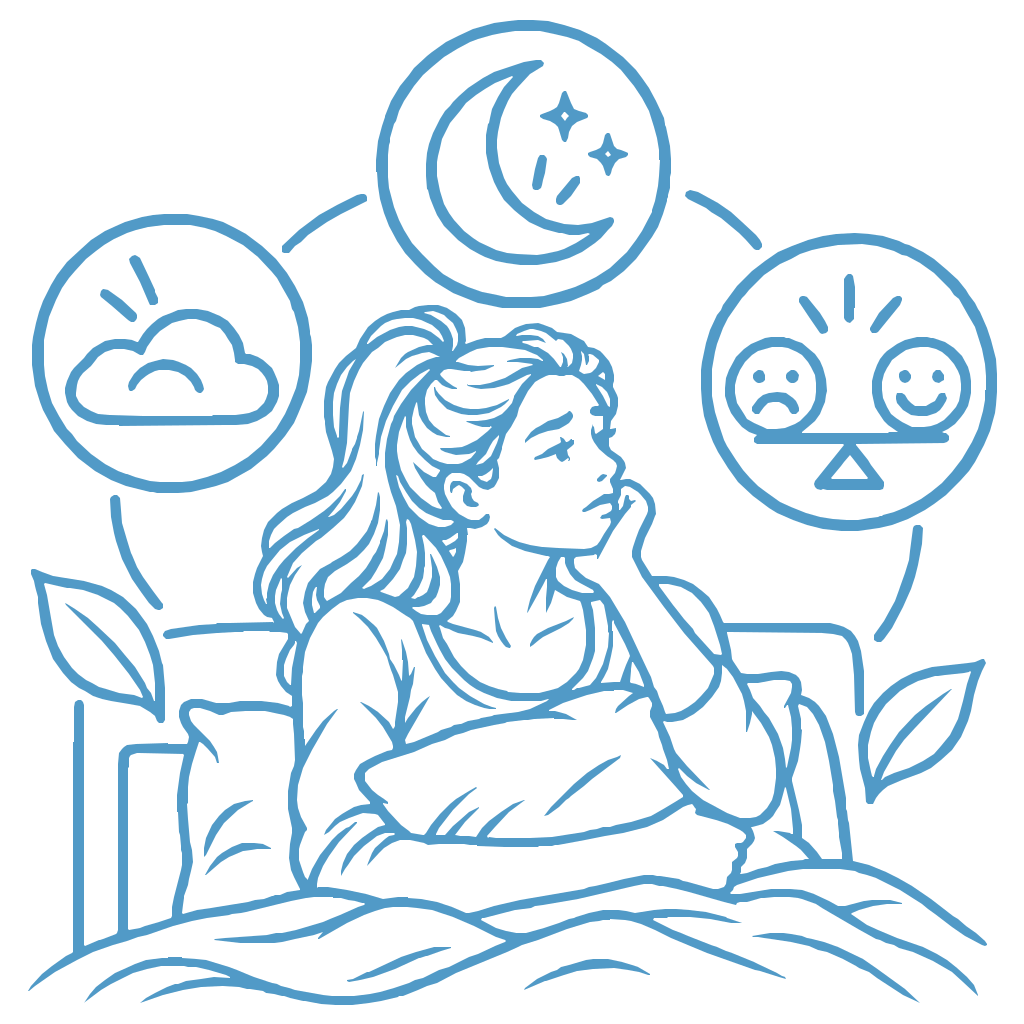
A hot flash is a sudden feeling of heat, often in the face, neck and chest, sometimes with flushing, sweating or a racing heart and followed by chills. Night sweats are hot flashes that happen during sleep and can leave you waking up drenched.
Changing estrogen levels affect the part of the brain that controls body temperature. Newer non-hormonal medicines work on the brain pathways involved in this process.[1] Most women have hot flashes at some point during the menopause transition. They can start before periods stop, may last for years and range from mild warmth to episodes intense enough to disrupt sleep and work.
Everyday Strategies That May Help
Many women find relief from dressing in layers, using a fan, keeping the bedroom cool and sipping a cold drink when a hot flash starts. Some notice that alcohol, caffeine or spicy food make hot flashes worse. Not smoking may also help.[1]
For night sweats, light layered bedding, breathable sleepwear and a cool shower before bed may make nights more comfortable.
The Menopause Society found limited evidence for many of these habits, though they are generally harmless.[2] Approaches with stronger research support include:[2]
- Cognitive behavioral therapy (CBT)
- Clinical hypnosis
- Weight loss, for some women
Herbal remedies and supplements are not recommended for hot flashes because evidence is limited and product quality varies.[2]

A cool, breezy bedroom can make night sweats a little easier to manage.
Hormone Therapy
Estrogen is the most effective treatment for hot flashes. Women who still have a uterus usually take a progestogen too, to protect the uterine lining. For healthy women who start within 10 years of their last period or before age 60, benefits may outweigh risks.[1]
Estrogen may not be safe for people with a history of certain cancers, heart disease, stroke or blood clots.[1] To learn more, see What Women Should Know Before Considering Hormone Therapy.
Non-Hormonal Prescription Options
Several medicines can reduce hot flashes without hormones:[2][1]
- Low-dose SSRIs and SNRIs. A low dose of paroxetine is FDA-approved for hot flashes, and others such as venlafaxine and escitalopram are used off-label.
- Gabapentin, which may be especially helpful for night sweats but can cause drowsiness and dizziness.
- Oxybutynin, a bladder medicine that may also reduce hot flashes.
- Fezolinetant (Veozah) and elinzanetant (Lynkuet), newer FDA-approved medicines that target brain pathways involved in temperature control.
Each has trade-offs. In 2024 the FDA added a boxed warning to fezolinetant about rare but serious liver injury and advised liver blood tests before and during the first months of treatment.[3] Elinzanetant may cause drowsiness, headache or nausea.[1] Some antidepressants can also interact with tamoxifen, a breast cancer medicine.
Other options, such as clonidine or a nerve block procedure called stellate ganglion block, are sometimes considered. Early research on the nerve block is promising, but more studies are needed.[1]
Finding the Right Fit
There is no single best option for everyone. The choice depends on how often your symptoms occur, how much they affect sleep and mood, your health history and your own preferences. Some women combine approaches, such as CBT with a medicine.
It can help to track your hot flashes for a week or two before a visit. Note when they happen, how strong they feel and anything that seems to trigger them. If a treatment is not helping after a fair trial, or side effects bother you, there are usually other options to try.

How We Approach Hot Flashes at Lake Forest Regenesis
Allana starts by learning how often your hot flashes and night sweats happen and how they affect your sleep, work and mood. She reviews your health history, medications and labs, and checks for other possible causes when the pattern is unusual. From there, she explains the hormonal and non-hormonal options that may fit your situation and helps you weigh the benefits and risks.
When to See a Provider
Call 911 for chest pain, fainting, or sudden numbness, weakness or trouble speaking. Seek prompt care for night sweats with fever, unexplained weight loss or swollen lymph nodes, or for yellowing skin or eyes, dark urine or upper right belly pain while taking a hot flash medicine. Book a visit if hot flashes or night sweats are disrupting your sleep or daily life.
Tired of hot flashes running your day or night? Allana can review your symptoms and health history and talk through options that fit you.
Frequently Asked Questions
How long do hot flashes usually last?
It varies widely. Many women have them for several years, and some have them for a decade or longer.
Are night sweats always caused by menopause?
No. Infections, some medications, thyroid problems, sleep apnea and, rarely, certain cancers can cause night sweats. New or unusual night sweats are worth checking, especially with other symptoms.
Do non-hormonal medicines work as well as hormone therapy?
In general they are somewhat less effective than estrogen, but many women still get meaningful relief. They can be a good choice when hormones are not safe or not preferred.
Can hot flashes affect my mood and focus?
Yes. Frequent night sweats can disrupt sleep, which may lead to irritability, low mood and trouble concentrating during the day.
References
- Mayo Clinic. Hot flashes: diagnosis and treatment. Read the article
- The Menopause Society. The 2023 nonhormone therapy position statement (press release). Read the guidance
- U.S. Food and Drug Administration. FDA adds warning about rare occurrence of serious liver injury with use of Veozah (fezolinetant) for hot flashes due to menopause. Read the guidance
This article is for general education and is not a substitute for individual medical advice. See our medical disclaimer.