
Quick Answer
Most of a man’s daily testosterone is released during sleep, and research shows that even one week of short sleep can lower it. Night shifts, rotating schedules, stress and weight gain are common in fire, police and EMS work, and they can all affect testosterone and how you feel. Because levels vary through the day, testing is usually done in the morning and repeated, which takes some planning if you work nights. Improving sleep and other lifestyle factors comes first, and a provider can help sort out whether low testosterone is really the cause.
Who this is for: firefighters, police officers, EMTs, veterans and other men who work nights or rotating shifts

How Sleep Affects Testosterone
Most of a man’s daily testosterone is released during sleep.[1] When sleep is cut short, levels can drop. In one small study, healthy young men who slept about five hours a night for a week had daytime testosterone levels 10% to 15% lower than when they were well rested.[1]
For comparison, the researchers noted that testosterone typically falls about 1% to 2% per year with normal aging. The men also reported feeling less vigorous as the week went on.[1]
Shift Work and Your Body Clock
Firefighters, police officers, EMTs, dispatchers and many veterans in civilian jobs work nights, rotating shifts or 24-hour shifts. These schedules push sleep into the daytime and can throw off the body’s internal clock.
Research presented at the American Urological Association’s 2017 meeting found that men with shift work sleep disorder, which causes insomnia and heavy sleepiness tied to work hours, had lower testosterone and more symptoms of low testosterone.[2] Another study of shift workers found that poor sleep quality was linked to more low-testosterone symptoms and sexual problems, even when blood levels were similar.[3] In other words, sleep itself may shape how you feel.

Regular strength training and a steady sleep routine can help shift workers feel and recover better.
Stress, Weight and Other Factors
Shift work rarely affects sleep alone. Long hours, high-stress calls, irregular meals and less time to exercise can add up. Weight gain, especially around the belly, is linked to lower testosterone, and so are heavy drinking, some medications such as opioids, and untreated sleep apnea.
For veterans, past deployments, injuries, chronic pain and post-traumatic stress can also disrupt sleep. Many of these factors are treatable, which is why they deserve attention before any hormone treatment.
Why Test Timing Matters
Testosterone is usually highest in the morning and can vary from day to day. The Endocrine Society recommends confirming low testosterone by repeating a morning, fasting total testosterone test.[4] A single low result, especially after a rough night or during an illness, is not enough to make a diagnosis.
For night-shift workers, “morning” is less clear-cut. A test drawn right after a night shift, before you have slept, may not reflect your usual level. Allana can help plan the timing around your schedule and repeat the test before drawing conclusions. It also helps to understand total vs. free testosterone.
Lifestyle First, and Department Rules
Steps that may help include:
- Protecting a consistent sleep block with blackout curtains, a cool room and earplugs or white noise
- Avoiding caffeine for several hours before your planned sleep
- Regular strength training and movement
- Planning meals and snacks for your shift
- Getting checked for sleep apnea if you snore or wake up tired
Untreated severe sleep apnea is one reason guidelines advise against starting testosterone, so screening matters.[4] Some fire, police and EMS departments also have fitness-for-duty or substance policies that cover prescriptions, so check your department’s rules before starting any prescription.

How We Approach Testosterone for Shift Workers at Lake Forest Regenesis
Allana starts with your schedule, sleep, stress, weight, medications and symptoms, not just a single lab number. She plans lab timing around your shifts and repeats testing to confirm results. She also looks for treatable contributors such as poor sleep, sleep apnea, weight changes or medication effects. If testosterone therapy is a reasonable option, she can discuss the choices, the monitoring involved and how treatment may fit with your job.
When to See a Provider
Call 911 for chest pain, trouble breathing, sudden weakness or numbness on one side of the body, or trouble speaking. If you are struggling with thoughts of harming yourself, call or text 988 (veterans can press 1). Avoid driving if you are nodding off after a shift. Book a visit if you have ongoing low energy, low sex drive, erection problems, loss of muscle or mood changes, or if you snore loudly or stop breathing during sleep.
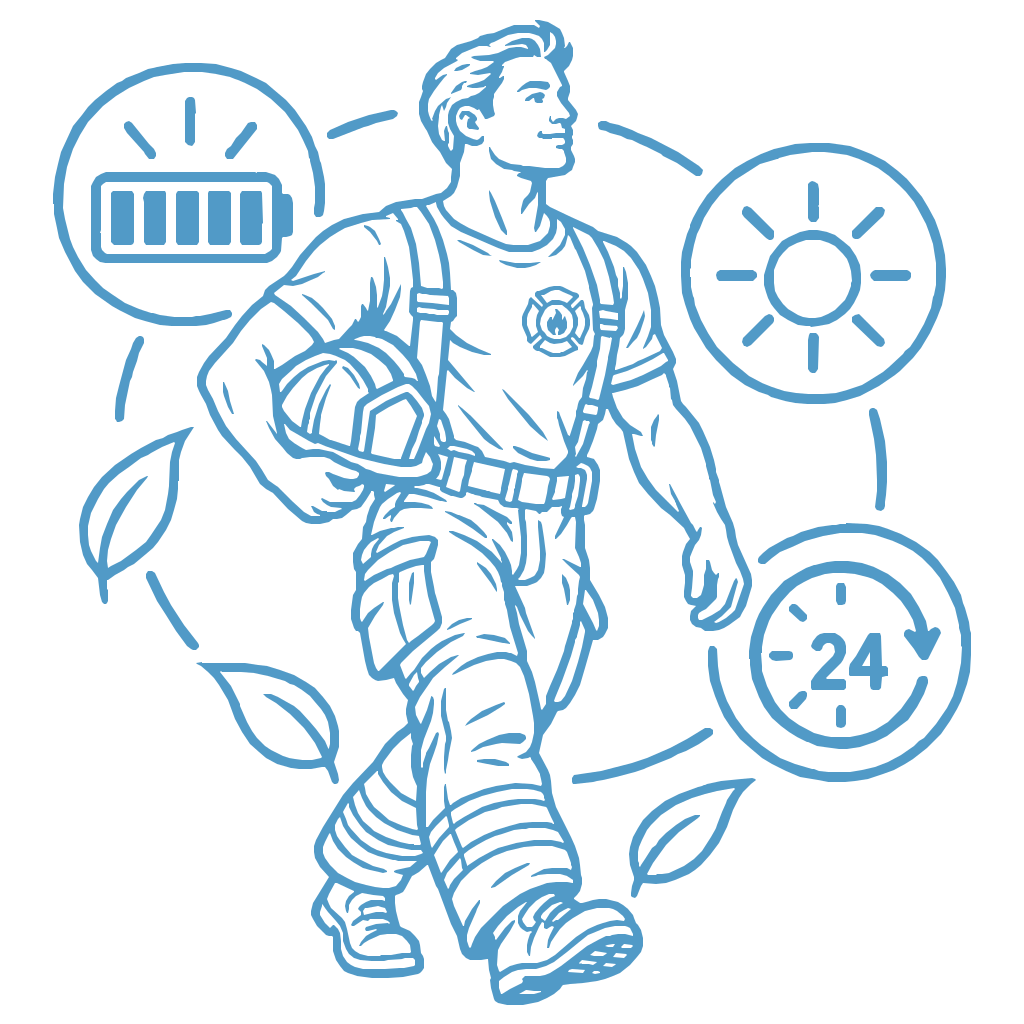
Working nights and wondering about your testosterone? Allana can review your sleep, schedule and labs to help you find the right next step.
Frequently Asked Questions
Can better sleep raise my testosterone?
It may help. Research links short sleep to lower levels, and improving sleep is low risk and good for your health overall, though results vary.
Should I get tested right after a night shift?
Usually not. A test after a night without sleep may read lower than your usual level, so talk with your provider about the best timing.
Will testosterone therapy fix shift-work fatigue?
Not necessarily. Fatigue from shift work often comes from sleep loss itself, and therapy only makes sense when low testosterone is confirmed and other causes have been addressed.
Can testosterone therapy affect fertility?
Yes. Testosterone therapy can lower sperm production, so if you might want children, talk with your provider before starting.
References
- Leproult R, Van Cauter E. Effect of 1 week of sleep restriction on testosterone levels in young healthy men. JAMA. 2011. Read the study
- American Urological Association. The effect of shift work on a man’s sexual and urologic health. 2017. Read the article
- Pastuszak AW, et al. Poor sleep quality predicts hypogonadal symptoms and sexual dysfunction in male nonstandard shift workers. Urology. 2017. Read the study
- Endocrine Society. Testosterone therapy in men with hypogonadism: an Endocrine Society clinical practice guideline. Read the guidance
This article is for general education and is not a substitute for individual medical advice. See our medical disclaimer.