Quick Answer
Bioidentical hormones have the same chemical structure as the hormones your body makes, such as estradiol and progesterone. Several bioidentical hormones are FDA-approved and widely prescribed, while others are custom-mixed (compounded) by a pharmacy and are not FDA-approved. Synthetic hormones, such as some progestins, have a slightly different structure. No large studies have shown that bioidentical hormones are safer than other hormone therapy, so the choice of product, dose and form is best made with a provider who knows your health history.
Who this is for: women weighing hormone therapy options for perimenopause or menopause, or wondering what “bioidentical” really means

What "Bioidentical" Means
Bioidentical hormones are designed to match the hormones your body makes. They are usually made in a lab from plant sources, so they are processed rather than “natural” in the everyday sense.[1] The most common ones used in menopause care are estradiol (a form of estrogen) and progesterone.
“Synthetic” usually describes hormones with a slightly different structure from your own. Examples include conjugated estrogens and progestins such as medroxyprogesterone acetate. Both types are made in labs. The labels describe chemical structure, not quality.
FDA-Approved Bioidentical Options
Many people are surprised to learn that the FDA has approved several bioidentical hormone products.[1] These include estradiol pills, patches, gels and sprays, estradiol vaginal creams, tablets and rings, and micronized progesterone capsules.
FDA-approved products have been tested for safety and effectiveness, are made to consistent doses and come with detailed safety labeling.
Approved products come in many strengths and forms, including pills, skin patches, gels and vaginal options. Because of this range, many people can find a dose and form that fits their needs without a custom product.

Understanding your options can make hormone decisions feel less overwhelming.
What Compounded Bioidentical Hormones Are
Compounded hormones are mixed by a pharmacist for an individual prescription. They may come as creams, capsules, lozenges or pellets, and some combine several hormones in one product. Compounded medications are not FDA-approved, which means they have not gone through the same testing for safety, effectiveness and consistent dosing.[1]
A 2020 National Academies report found too little evidence to support the routine use of compounded bioidentical hormones. It suggested limiting them to specific situations, such as an allergy to an ingredient in an approved product or a need for a dose or form that no approved product offers.[2] The report also urged caution with hormone pellets and with products that combine several hormones.[2]
Some compounded products also include estriol, a weaker estrogen that is not part of any FDA-approved product in the U.S. Its safety and effectiveness have not been well studied.
What Major Medical Groups Recommend
The American College of Obstetricians and Gynecologists (ACOG) recommends FDA-approved hormone therapy over compounded products when an approved option fits, and it does not recommend hormone level testing to guide dosing.[3] The Menopause Society likewise does not recommend custom-compounded products over approved products for most women.[4]
The Menopause Society also notes that saliva hormone tests have not been shown to be accurate or reliable. Because hormone levels shift throughout the day, how your symptoms respond to a dose is usually the best guide.[4]
These groups do not say compounded hormones are never appropriate. They ask prescribers to explain why a compounded product is being chosen and to talk through the trade-offs.[2]
Are Bioidentical Hormones Safer?
Bioidentical hormones are often promoted as safer, but no large studies have shown this.[1] All estrogen and progesterone products, whatever their source, share the same basic cautions, including risks of blood clots, stroke and gallbladder disease.[1]
For most people, the questions that matter most are which hormone, what dose, which form and for how long, along with age, time since menopause and personal health history. Researchers are still studying whether the type of progestogen or the route, such as a patch instead of a pill, changes certain risks. For a broader look at benefits and risks, see What Women Should Know Before Considering Hormone Therapy.
How We Approach Hormone Choices at Lake Forest Regenesis
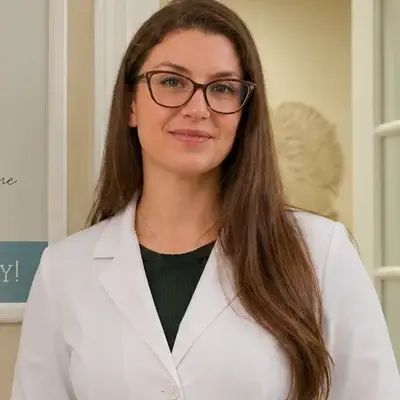
Allana uses bioidentical hormones and takes time to explain what that means for you. She reviews your symptoms, health history, labs, medications and personal and family risk factors before discussing whether hormone therapy makes sense. She also walks through how FDA-approved and compounded products differ so you can make an informed choice together.
When to See a Provider
Call 911 for chest pain, sudden shortness of breath, sudden numbness or weakness, trouble speaking or a sudden severe headache. Seek prompt care for pain or swelling in one leg, vaginal bleeding after menopause or a new breast lump. Book a visit if menopause symptoms are affecting your sleep, work or relationships, or if you have questions about a hormone product you already use.
Related Service
Wondering which type of hormone therapy fits you? Allana can review your symptoms, history and goals and explain your options clearly.
Frequently Asked Questions
If I have a uterus, do I still need progesterone with bioidentical estrogen?
Yes. Estrogen taken on its own can thicken the uterine lining and raise the risk of endometrial cancer, so a progestogen is usually added for protection. Over-the-counter progesterone creams may not provide reliable protection.
Is a hormone cream from a compounding pharmacy the same as an FDA-approved estradiol gel?
Not necessarily. Both may contain estradiol, but compounded creams are not FDA-approved and the amount absorbed can vary. Approved gels are tested for consistent dosing.
Can I switch from a synthetic hormone to a bioidentical one?
Often, yes. Your provider can help you change products safely and watch how your symptoms respond over the following weeks.
Are bioidentical hormones only used for menopause?
No. Testosterone and thyroid hormone can also be bioidentical. The same questions about FDA-approved versus compounded products apply to them.
References
- Cleveland Clinic. Bioidentical hormones. Read the article
- National Academies of Sciences, Engineering, and Medicine. Prescribers should restrict the use of non-FDA-approved compounded bioidentical hormones except for specific medical circumstances. 2020. Read the article
- American College of Obstetricians and Gynecologists. Compounded bioidentical menopausal hormone therapy: ACOG Clinical Consensus No. 6. Obstetrics & Gynecology. 2023. Read the guidance
- The Menopause Society. Bioidentical hormone therapy: what is hormone testing? Read the guidance
This article is for general education and is not a substitute for individual medical advice. See our medical disclaimer.