

Quick Answer
For many women, menopause affects sexual health in several ways. Lower estrogen can cause vaginal dryness, thinning tissue and pain with sex, a group of changes called genitourinary syndrome of menopause. Desire, arousal and orgasm can also change, influenced by hormones, sleep, mood, relationships and health. These changes are common and treatable, and they tend to persist without treatment, so they are worth discussing.
Who this is for: women in perimenopause or after menopause who are noticing changes in comfort, desire or satisfaction with sex.

Genitourinary Syndrome of Menopause
After menopause, lower estrogen causes the tissues of the vulva, vagina, urethra and bladder to become thinner, drier and less elastic. Symptoms can include:[1]
- Vaginal dryness, burning or irritation
- Pain or discomfort with sex
- Light bleeding after sex
- Urgency, frequent urination or more frequent urinary tract infections
Unlike hot flashes, which often fade over time, these symptoms tend to continue or gradually worsen without treatment. Many women do not mention them to their provider, even though effective treatments exist.
Changes in Desire and Arousal
Sexual desire is shaped by many factors. During the menopause transition, hormone changes, poor sleep from night sweats, mood changes, body image, relationship dynamics, stress and medications can all affect interest in sex and arousal. Pain with sex can also lower desire over time, because the body begins to anticipate discomfort.
Addressing physical discomfort first often helps desire as well.
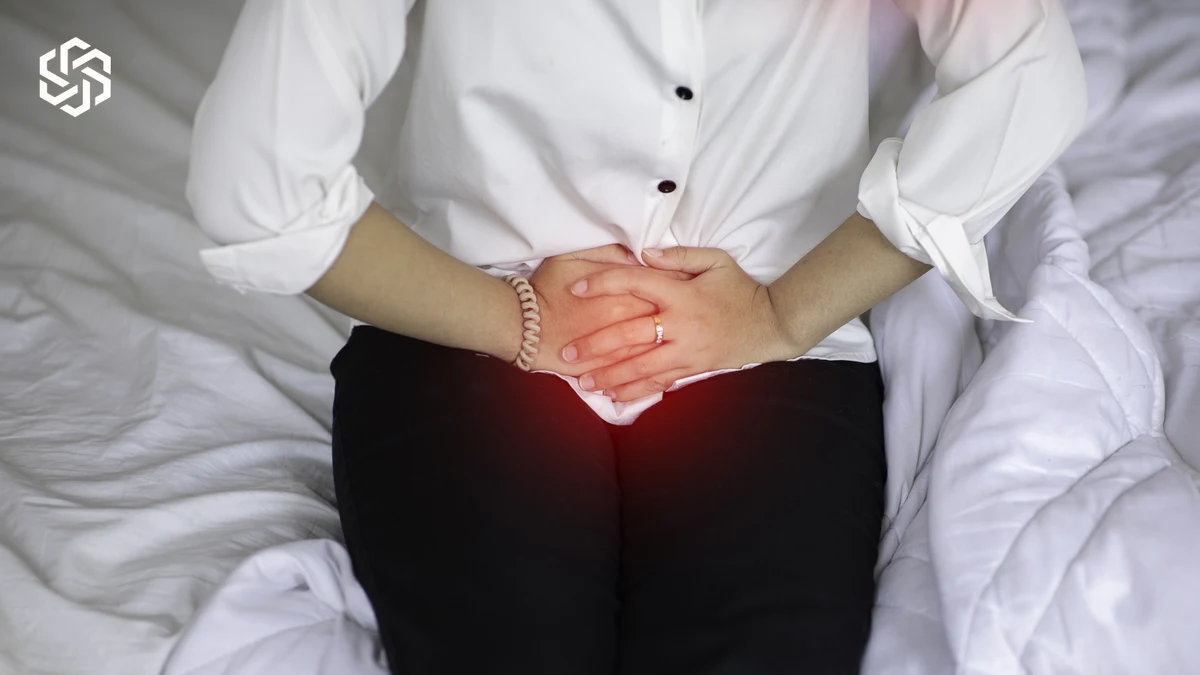
Menopause-related vaginal and urinary changes are common and treatable.
Treatment Options
Moisturizers and lubricants
Regular use of vaginal moisturizers and a lubricant during sex can ease dryness and discomfort. These are a good first step for mild symptoms.[1]
Low-dose vaginal estrogen
Vaginal estrogen, available as a cream, tablet or ring, treats the underlying tissue changes. Very little is absorbed into the bloodstream, and it is considered effective and safe for most women.[1]
Other prescription options
Other vaginal and oral prescription treatments are available for women who cannot or prefer not to use estrogen.
Systemic hormone therapy
For women who also have hot flashes and night sweats, hormone therapy may improve both these symptoms and vaginal dryness. Whether it is right for you depends on your health history.[2]
Pelvic floor therapy and counseling
Pelvic floor physical therapy can help with pain and muscle tension, and sex therapy or couples counseling can help with desire and relationship factors.
Starting the Conversation
It can feel awkward to bring up sexual health, but it is a normal part of health care. It may help to write down your symptoms beforehand, such as when discomfort started, what helps and how it affects you and your relationship. Your provider can also ask questions to guide the conversation.

How We Approach Sexual Health at Lake Forest Regenesis
Allana makes room for conversations about sexual health as part of menopause care, with privacy and without judgment. She asks about comfort, desire and urinary symptoms, reviews your health history and medications, and explains the options, from moisturizers and vaginal estrogen to hormone therapy and other treatments when they are appropriate. Referrals to pelvic floor therapy or counseling are coordinated when they would help.
When to See a Provider
See a provider for pain with sex, bleeding after sex, or any vaginal bleeding after menopause, which should always be evaluated. Seek care for burning with urination, fever or back pain, which may signal a urinary tract infection.

Noticing changes in comfort or desire? Talk privately with Allana about what’s changing and your treatment options.
Frequently Asked Questions
Is vaginal estrogen safe?
For most women, low-dose vaginal estrogen is considered safe because very little reaches the bloodstream. Women with a history of breast cancer should discuss options with their providers.
Will vaginal dryness go away on its own?
Usually not. Unlike hot flashes, these symptoms tend to continue or worsen without treatment.
Can menopause lower my sex drive?
It can. Hormones, sleep, mood, discomfort and relationship factors all play a role, and several approaches can help.
Are over-the-counter products enough?
For mild dryness, moisturizers and lubricants may be enough. If symptoms continue, prescription treatments are available.
References
- The North American Menopause Society. The 2020 genitourinary syndrome of menopause position statement. Menopause. 2020. Read the statement
- The North American Menopause Society. The 2022 hormone therapy position statement. Menopause. 2022. Read the statement
This article is for general education and is not a substitute for individual medical advice. See our medical disclaimer.




