
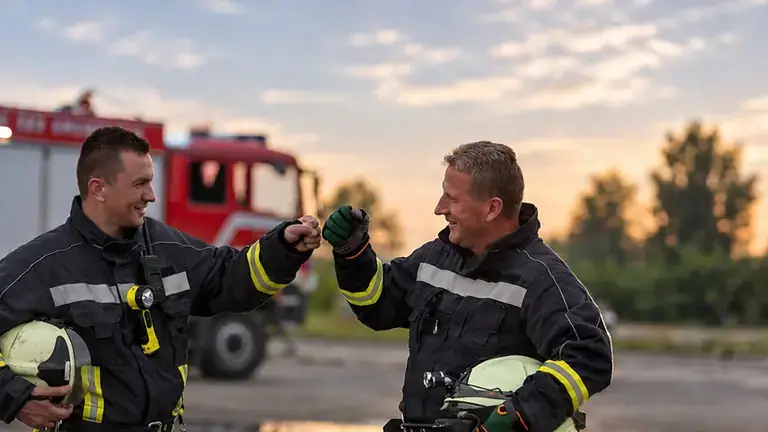





TRT for First
Responders
& Veterans
in Lake Forest, IL
Provider-Guided Testosterone Replacement Therapy for First Responders
Provider-guided TRT for first responders
★★★★★
“I really respect her approach to safety and treatment.” — Eric S.
Rated 5.0 on Google · 42 reviewsTestosterone Replacement Therapy for First Responders
Personalized Hormone Care for the Demands of High-Stress Careers
First responders work in environments that can involve long shifts, disrupted sleep, physical strain, and sustained stress. When testosterone levels are low, symptoms may include fatigue, reduced strength, difficulty concentrating, changes in mood, decreased libido, and changes in body composition.
At Lake Forest Regenesis, testosterone replacement therapy begins with a clinical evaluation, health history, and comprehensive lab testing to determine whether low testosterone is contributing to your symptoms.
Treatment is not based on symptoms or a single lab value alone. When TRT is clinically appropriate, care is personalized, medically supervised, and monitored over time based on your response, laboratory results, and overall health.
We understand that police officers, firefighters, EMTs, veterans, and other frontline professionals may have schedules and responsibilities that make consistent care more difficult. Our approach is designed to provide efficient, discreet, provider-guided hormone care while keeping long-term health and safety at the center of treatment.
Police • Firefighters • EMTs • Veterans • Provider-Guided TRT
TRT for Police Officers
Personalized TRT Care for the Demands of Law Enforcement
Police officers often work long shifts, irregular schedules, physically demanding assignments, and high-stress environments. When testosterone levels are low, symptoms may include fatigue, reduced strength, changes in body composition, low mood, decreased motivation, and difficulty concentrating.
At Lake Forest Regenesis, testosterone therapy for police officers begins with a clinical evaluation and comprehensive lab testing to determine whether low testosterone may be contributing to symptoms, as part of responsible hormone care that fits the realities of police work.
TRT for Firefighters
Provider-Guided TRT Evaluation for Firefighters
Firefighters routinely face physical strain, disrupted sleep, heat exposure, demanding schedules, and high-stress environments. When testosterone levels are low, symptoms may include fatigue, reduced strength, slower recovery, changes in body composition, low mood, and difficulty maintaining focus.
At Lake Forest Regenesis, testosterone therapy for firefighters begins with a clinical evaluation and comprehensive lab testing to determine whether low testosterone may be contributing to symptoms. When treatment is appropriate, care is planned around demanding schedules, with follow-up to monitor your response, labs and safety over time.
Low Testosterone Symptoms in First Responders
Recognizing Symptoms That May Warrant a Hormone Evaluation
Symptoms of low testosterone can overlap with the effects of long shifts, poor sleep, physical strain, and chronic stress, making it difficult to know what is actually contributing to how you feel. First responders experiencing persistent changes in energy, strength, mood, recovery, or sexual health may benefit from a clinical evaluation and appropriate lab testing.
Common symptoms include chronic fatigue or trouble recovering between demanding shifts, reduced strength or physical performance, and slower recovery after exercise or physical exertion. Some notice difficulty concentrating, irritability or low mood, reduced motivation, poor sleep, or lower interest in sex.
Changes in body composition, such as loss of muscle mass or increased body fat, are also common. Because these symptoms can have many causes, symptoms alone do not confirm low testosterone. A proper evaluation helps determine whether hormone levels may be contributing.
Wondering if low testosterone could be part of the picture? Our free, 2-minute Low Testosterone Symptom Check shows how your symptoms are affecting you and whether testing makes sense.
What Your First Responder TRT Program May Include
A Clear, Provider-Guided Path From Evaluation to Ongoing TRT Care
Consultation
Your first visit is a 90-minute consultation with Allana to review your symptoms, health history, lifestyle, work demands, medications, and treatment goals. Your labs are drawn during this visit.

Assessment
Once your results are back, a 90-minute follow-up with Allana reviews your testosterone and other relevant health markers alongside your symptoms and overall health before recommending treatment.

Personalized TRT Plan
If testosterone replacement therapy is appropriate, your plan is customized as part of our broader hormone optimization approach, tailored to your symptoms, lab results, work demands, and individual needs.

Ongoing Monitoring
Regular follow-up visits and repeat laboratory testing help assess treatment response, safety, symptoms, and overall progress, allowing your plan to be adjusted over time when clinically appropriate.
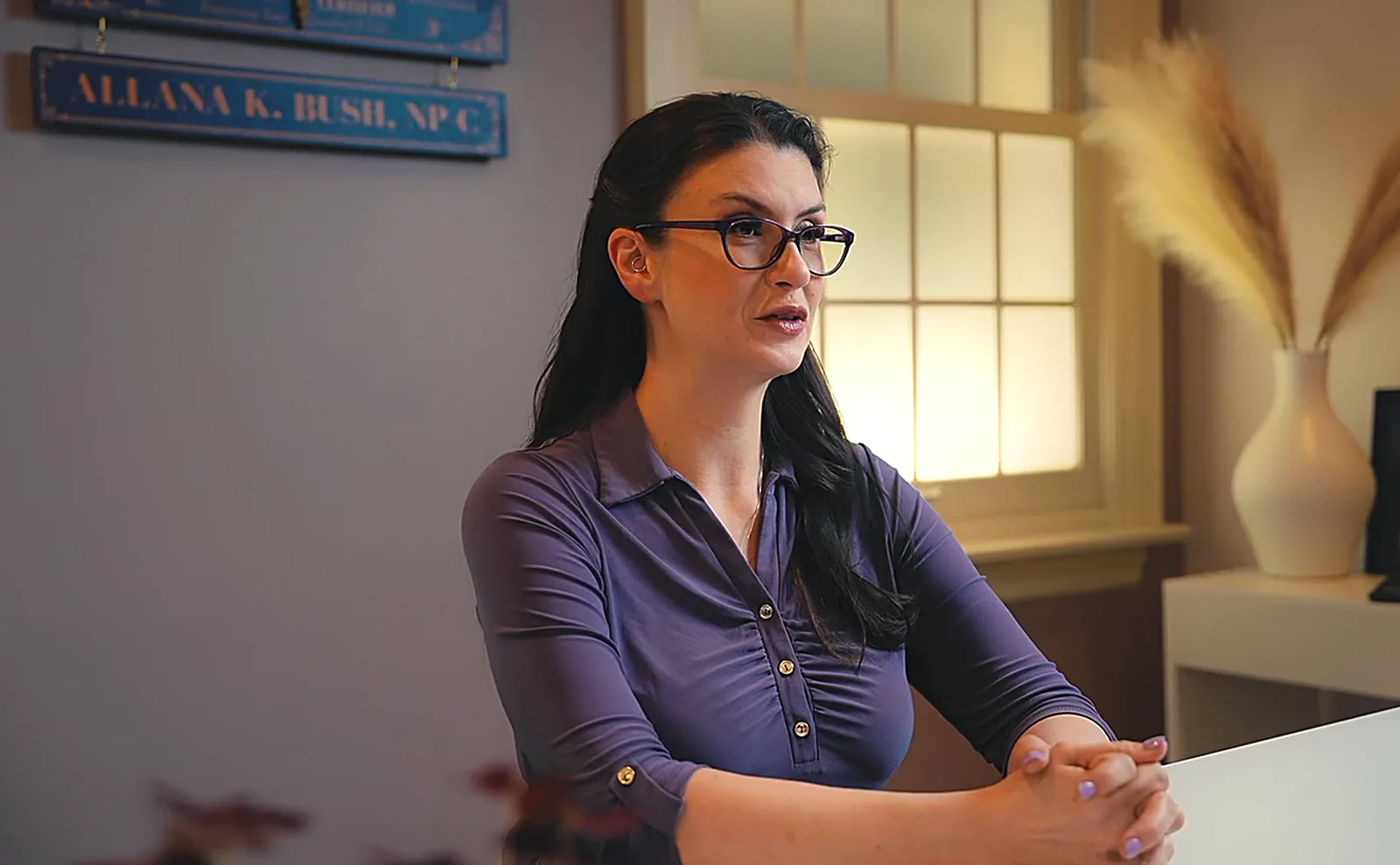
Your First Visit
One-on-One Care in Lake Forest
First responders and veterans see Allana in our Lake Forest office for labs, treatment and regular monitoring, with each follow-up reviewing how you are responding.
- 90-Minute First Visit
- Labs Drawn In-Office
- Same Provider Every Visit
Built for Those Who Serve Under Pressure
Personalized Testosterone Care for Demanding Careers and Long-Term Health
First responders and frontline professionals work in environments that require physical readiness, mental focus, emotional resilience, and the ability to recover from demanding schedules. Over time, disrupted sleep, high stress, and repeated physical strain can take a toll on how you feel.
For shift workers who want one consistent provider, Direct Primary Care offers an ongoing primary care relationship with Allana, with replies to messages and calls within one business day.
Benefits of TRT for First Responders
Potential Benefits of Medically Supervised Testosterone Therapy
Sustained Energy
Low testosterone may contribute to persistent fatigue. Medically supervised TRT may help support more consistent energy and day-to-day stamina when low testosterone is contributing to symptoms.

Strength & Muscle
Testosterone plays an important role in maintaining muscle mass and strength. When low testosterone is confirmed, appropriate treatment may support muscle health and body composition.

Recovery Support
Slower recovery from physical work or training is evaluated alongside sleep, training load, nutrition, shift schedules, stress, and hormone levels to better understand what may be contributing.

Mood & Motivation
Low testosterone can be associated with changes in mood and motivation. Evaluation helps determine whether hormone levels may be contributing alongside factors like mental wellness.

TRT for Veterans
Hormone Care for Long-Term Health After Service
Veterans may still feel the effects of physically demanding service, disrupted sleep, prolonged stress, and changing health needs long after active duty ends. When testosterone levels are low, symptoms may include fatigue, reduced strength, changes in body composition, low mood, difficulty concentrating, and decreased libido.
At Lake Forest Regenesis, testosterone treatment for veterans begins with a clinical evaluation and comprehensive lab testing to see whether low testosterone may be a factor. Concerns such as low libido can be evaluated as part of broader sexual health care.
TRT for EMTs
Medically Supervised TRT for the Demands of Emergency Care
EMTs often work long, unpredictable hours under significant physical and emotional pressure. Repeated lifting, disrupted sleep, high stress, and exposure to demanding situations can overlap with symptoms associated with low testosterone, including fatigue, reduced strength, slower recovery, low mood, and difficulty concentrating.
At Lake Forest Regenesis, testosterone therapy for EMTs begins with a clinical evaluation and comprehensive lab testing to determine whether low testosterone may be contributing to symptoms. When treatment is appropriate, care is planned around shift work, with follow-up to monitor your response, labs and safety over time.
Is TRT for First Responders Right for You?
Who May Be a Candidate for First Responder TRT?
First responders may be candidates for testosterone replacement therapy when they have persistent symptoms consistent with low testosterone, appropriate laboratory findings, and no medical reason that would make treatment unsuitable.
Evaluation also considers your health history, medications, cardiovascular risk factors, fertility goals, sleep health, and overall wellness before treatment is recommended.
Who May Not Be a Candidate?
TRT may not be appropriate for individuals with certain medical conditions, abnormal laboratory findings, untreated health concerns, or plans for near-term fertility.
A clinical evaluation helps determine whether testosterone therapy is appropriate or whether symptoms should first be addressed through another form of care.
Clinical Oversight & Safety
Testosterone replacement therapy is a medical treatment and should be managed with appropriate clinical evaluation, laboratory testing, and ongoing provider oversight.
At Lake Forest Regenesis, treatment begins by reviewing your symptoms, health history, medications, risk factors, and laboratory results before determining whether TRT is appropriate.
Once treatment begins, follow-up care helps evaluate your response and monitor relevant health markers over time. Your plan may be adjusted based on lab results, symptoms, side effects, and overall health.
Our approach emphasizes individualized treatment, realistic expectations, and long-term safety rather than standardized or one-size-fits-all hormone protocols.
When We Refer to a Specialist
If your evaluation points to something beyond Allana's scope, such as fertility concerns, abnormal prostate findings, a possible pituitary cause, sleep apnea, or service-related conditions that need specialist care, she refers you to the right specialist and helps coordinate next steps.
Medical Disclaimer
This content is for informational purposes only and is not intended to diagnose, treat, cure, or prevent any disease. All therapies are prescribed only after a comprehensive medical evaluation by a licensed provider. Results and outcomes may vary. Click for Full Disclaimer
Meet Your First Responder TRT Provider
Personalized Testosterone Care Led by an Experienced Family Nurse Practitioner
Testosterone replacement therapy at Lake Forest Regenesis is led by Allana Bush, FNP-C, RN, PHN, MSN, a family nurse practitioner with 22 years of healthcare experience.
Her clinical focus includes hormone optimization, medical weight management, metabolic health, and personalized wellness care. Allana evaluates testosterone-related symptoms within the broader context of each patient’s health history, medications, lifestyle, laboratory findings, and individual goals.
Patients receive ongoing medical guidance and monitoring throughout treatment so their testosterone plan can evolve based on symptom response, laboratory findings, tolerance, changing health needs, and long-term wellness goals.
Related Reading
Men's Hormone Health Articles From Our Patient Education Library
Frequently Asked Questions About TRT for First Responders
Common questions first responders ask about testosterone therapy and treatment options.
Why do first responders experience symptoms of low testosterone?
Long shifts, disrupted sleep, physical strain, and sustained stress can overlap with symptoms associated with low testosterone. Because these symptoms may have several causes, proper clinical evaluation and lab testing are important before considering treatment.
How do I know if I have low testosterone?
Symptoms alone are not enough to diagnose testosterone deficiency. Evaluation includes your health history, symptoms, physical assessment, and appropriate laboratory testing to determine whether low testosterone may be contributing.
Is TRT safe for first responders?
TRT requires medical oversight and is not appropriate for everyone. At Lake Forest Regenesis, treatment is individualized and monitored over time, with follow-up testing and adjustments based on response and overall health. More information is available through the American Urological Association testosterone deficiency guideline.
Can TRT be tailored around shift work and unpredictable schedules?
Treatment planning can take your work schedule, lifestyle, follow-up needs, and individual treatment plan into consideration. The goal is to provide consistent, provider-guided care that works within the realities of a demanding profession.
Will TRT improve my job performance or fitness?
TRT is intended to treat clinically appropriate testosterone deficiency, not to enhance occupational performance. When low testosterone is contributing to symptoms such as fatigue, reduced strength, or poor recovery, appropriate treatment may help address those underlying symptoms.
Do I need to stay on testosterone therapy long term?
Treatment duration varies by individual. Ongoing hormone optimization includes regular follow-up, laboratory monitoring, and periodic evaluation to determine whether continued therapy remains appropriate.
Start Your Regenesis Today
Personalized, Medically Supervised TRT for First Responders
Begin with a 90-minute visit with Allana about your symptoms, health history, lifestyle, work demands, and treatment goals. Your labs are drawn during this visit.
A 90-minute follow-up reviews your testosterone and other relevant health markers so treatment decisions are based on objective clinical information rather than symptoms alone.
When treatment is appropriate, your plan is personalized and monitored over time as part of our broader hormone optimization approach, with adjustments based on lab results, symptoms, response, and overall health.
Results vary, and no treatment can be guaranteed. See our Medical Disclaimer.
A Personal Message From Your Provider
Hormone Care With Respect for the Demands of Service
“As part of a military family, I understand how demanding a life of service can be on both the individual and the people around them. Long hours, disrupted sleep, physical demands, and sustained stress can make it difficult to recognize when something has changed in your health.
When symptoms such as fatigue, reduced strength, difficulty concentrating, or changes in mood begin to interfere with daily life, my goal is to help determine what may be contributing and whether low testosterone is part of the picture.
At Lake Forest Regenesis, testosterone therapy is never about a quick fix. We focus on careful evaluation, appropriate testing, individualized treatment, and ongoing monitoring so you can make informed decisions about your long-term health.
You spend your career taking care of others. We’re here to provide thoughtful, responsible care when it’s time to focus on your own health.”
Allana Bush, FNP-C, RN, PHN, MSN
Testosterone Therapy • Hormone Optimization
Lake Forest, IL