

Quick Answer
Telling low testosterone vs. normal aging apart takes more than one number. Testosterone gradually declines with age in many men, but most older men do not have low testosterone that needs treatment. Low testosterone, or hypogonadism, is diagnosed when consistent symptoms occur together with clearly low levels on repeated morning tests. Many symptoms blamed on aging or low testosterone can also come from sleep, weight, stress, medications or other health conditions.
Who this is for: men in midlife and beyond who are noticing lower energy, libido or strength and wondering whether it is aging or low testosterone.

What Happens to Testosterone With Age
Testosterone levels tend to decline slowly over time in many men, starting in early to mid adulthood. The rate varies widely. Weight gain, chronic illness, poor sleep and certain medications can lower levels faster than age alone.[1]
Because of this variation, many older men have testosterone levels within the normal range, while some younger men have low levels.
What Defines Low Testosterone
Low testosterone is diagnosed when both of these are true:[1][2]
- Symptoms and signs consistent with testosterone deficiency
- Clearly low testosterone confirmed on at least two separate morning blood tests
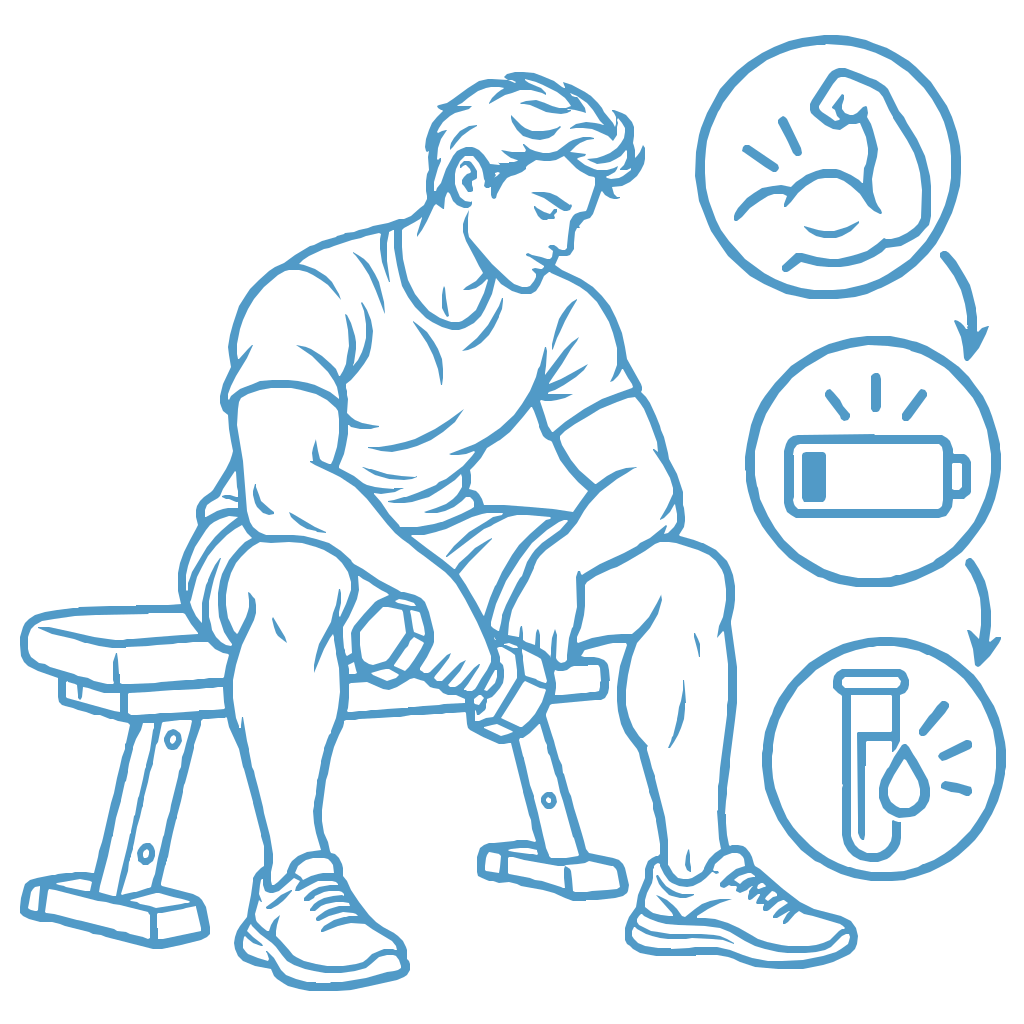
Symptoms most specific to low testosterone include reduced sexual desire, fewer morning erections, erectile changes, loss of body hair, breast tenderness or enlargement, and reduced bone density. Less specific symptoms include low energy, low mood, poor concentration, reduced strength and increased body fat.
A provider will also look for causes of low testosterone, such as pituitary problems, certain medications including opioids, excess weight, sleep apnea and uncontrolled diabetes.

Low testosterone is diagnosed with symptoms plus repeated low morning levels.
Symptoms That Overlap With Other Causes
Fatigue, low motivation, weight gain and reduced strength are common in midlife and can have many causes:
- Poor sleep or sleep apnea
- Depression, anxiety or chronic stress
- Excess weight and insulin resistance
- Thyroid problems or anemia
- Low physical activity and loss of muscle
- Alcohol use
- Medications such as opioids, steroids and some antidepressants
Addressing these factors can improve symptoms and sometimes raise testosterone levels on their own. For example, weight loss and better sleep can increase testosterone in some men.
When Treatment Makes Sense
Testosterone therapy may be appropriate for men with confirmed low testosterone and symptoms, after discussing benefits, risks and monitoring. Guidelines do not recommend routinely treating older men just because levels are somewhat lower with age.[1] Men who want to have children should discuss fertility first, because testosterone therapy can reduce sperm production.[2]
If treatment is started, it requires ongoing follow-up, including testosterone levels, hematocrit and, for appropriate men, prostate monitoring.

How We Evaluate Low Testosterone at Lake Forest Regenesis
Allana starts with your symptoms, health history and goals, then orders properly timed morning labs and repeats low results before drawing conclusions. She also checks for other causes, such as sleep, weight, thyroid, medications and blood sugar. If treatment is a good fit, she explains the benefits, risks and monitoring involved, and discusses family plans before anything is started.
When to See a Provider
See a provider for ongoing low libido, erectile changes, fatigue, low mood or loss of strength. Seek prompt care for breast lumps, testicular pain or a lump, or sudden changes in urination. If you have thoughts of harming yourself, call or text 988.
Lower energy, libido or strength lately? Allana can help sort out whether it’s aging, low testosterone or something else.
Frequently Asked Questions
Is low testosterone just part of getting older?
Some decline is common with age, but clearly low testosterone with symptoms is a medical condition that can be evaluated and treated when appropriate.
Can lifestyle changes raise testosterone?
For some men, yes. Weight loss, better sleep, treating sleep apnea, regular exercise and limiting alcohol can improve levels.
Do I need two tests to diagnose low testosterone?
Yes. Guidelines recommend confirming low testosterone with repeated morning tests because levels vary.
Can testosterone therapy affect fertility?
Yes. It can lower sperm production, so men who want children should discuss this before starting treatment.
References
- Bhasin S, et al. Testosterone therapy in men with hypogonadism: an Endocrine Society clinical practice guideline. J Clin Endocrinol Metab. 2018;103(5):1715-1744. Read the guideline
- American Urological Association. Evaluation and management of testosterone deficiency: AUA guideline (2018, amended 2024). Read the guideline
This article is for general education and is not a substitute for individual medical advice. See our medical disclaimer.




