

Quick Answer
Testosterone therapy lab monitoring is a routine part of care. Regular labs make sure your levels are in a healthy range and to catch side effects early. The most important tests are testosterone levels, hematocrit, which shows whether your blood is becoming too thick, and, for men in certain age groups, PSA for prostate monitoring. Monitoring is usually more frequent in the first year, then about once a year.
Who this is for: men who are taking testosterone therapy or considering it, and want to know what follow-up testing involves.
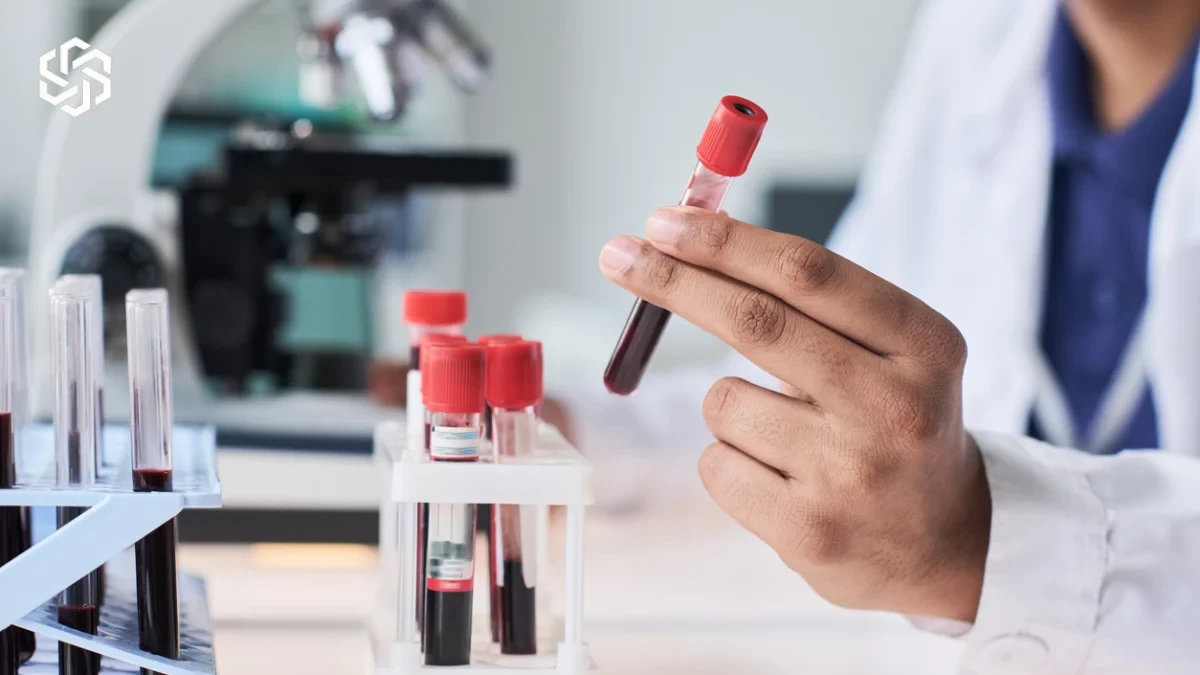
Why Monitoring Matters
Testosterone therapy can improve symptoms for men with confirmed low testosterone, but it also affects other parts of the body. Regular testing helps answer three questions: Is the dose right? Is the treatment helping? Are there any early signs of side effects?[1][2]
Many side effects, such as a rising red blood cell count, do not cause symptoms at first. Lab monitoring is the main way to find them before they become a problem.
The Main Tests
Testosterone level
Levels are checked to make sure they are in the target range, not too low and not too high. When blood is drawn depends on the type of testosterone, since injections, gels and pellets peak and fall at different times.[1]
Hematocrit
Testosterone can increase red blood cell production. If hematocrit rises too high, the blood becomes thicker, which may raise the risk of clots. Guidelines generally recommend adjusting or pausing treatment if hematocrit rises above about 54 percent.[1]
PSA and prostate monitoring
Testosterone does not appear to cause prostate cancer, but it can stimulate prostate tissue. PSA is checked before starting and during treatment in men for whom prostate monitoring is recommended, typically based on age and risk.[1][2]
Other tests
Depending on your health, a provider may also check lipids, blood sugar or A1c, liver tests and estradiol. If fertility matters to you, a semen analysis may be discussed.
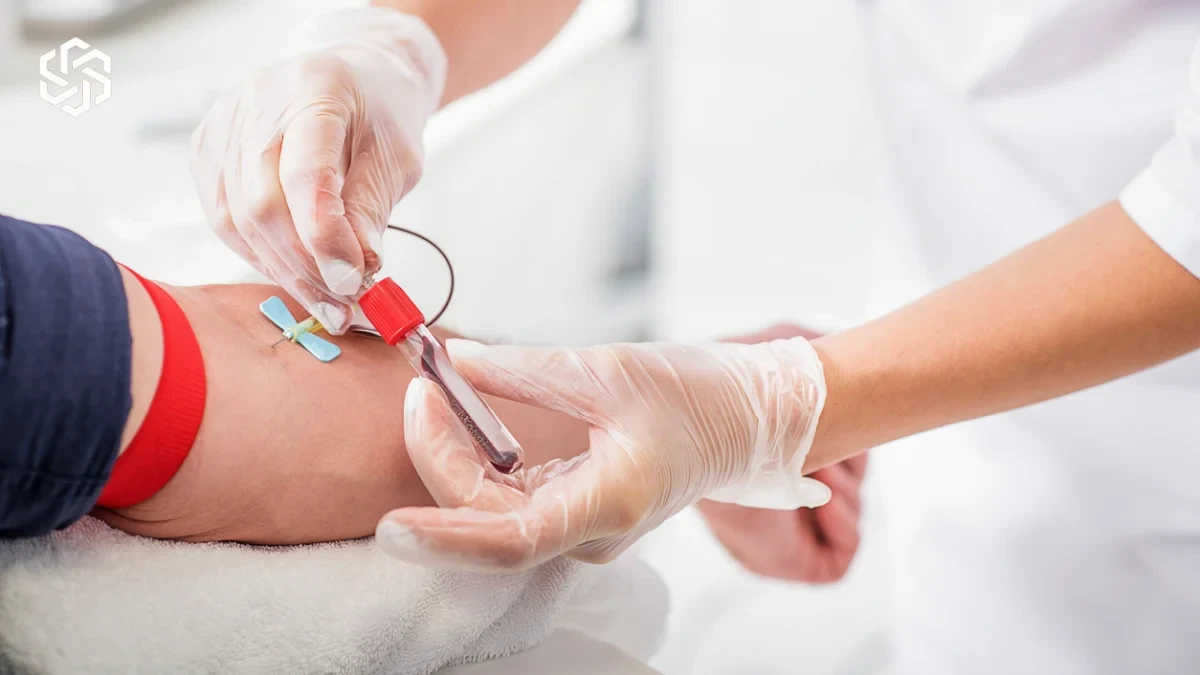
Regular labs help keep testosterone therapy safe and effective.
A Typical Monitoring Schedule
Schedules vary, but a common approach is:[1]
- Before starting: confirmed low testosterone on repeated morning tests, plus baseline hematocrit and, when appropriate, PSA
- About 3 to 6 months after starting: testosterone level, hematocrit and, when appropriate, PSA, along with a review of symptoms and side effects
- Then about every 12 months: repeat labs and a review of how treatment is working
Additional checks are done after dose changes or if symptoms or side effects appear.
Monitoring Symptoms, Not Just Numbers
Lab results are only part of the follow-up. Your provider will also ask how your energy, mood, libido, sleep and body composition have changed, and about side effects such as acne, breast tenderness, swelling, snoring or changes in urination. If treatment is not improving symptoms after a reasonable trial, it is worth revisiting whether it should continue.

How We Monitor Testosterone Therapy at Lake Forest Regenesis
Allana follows a structured monitoring plan for every patient on testosterone therapy, with labs timed to your type of treatment and reviewed alongside how you feel. Doses are adjusted based on both results and symptoms, and treatment is paused or changed if labs such as hematocrit move outside safe limits. Follow-up continues for as long as you are on therapy.
When to See a Provider
Seek emergency care for chest pain, sudden shortness of breath, leg swelling and pain, sudden weakness or trouble speaking. Contact your provider promptly for headaches with flushed skin, new snoring or breathing pauses during sleep, trouble urinating, breast swelling or significant mood changes. Do not skip scheduled lab work while on testosterone therapy.

On testosterone therapy or considering it? Get a monitoring plan with labs timed to your treatment and doses adjusted to your results.
Frequently Asked Questions
How often do I need labs on testosterone therapy?
Usually a few months after starting and after dose changes, then about once a year if everything is stable. Your provider may test more often if needed.
What happens if my hematocrit is high?
Your provider may lower the dose, change the type of testosterone, pause treatment or look for other causes such as sleep apnea.
Does testosterone therapy cause prostate cancer?
Current evidence does not show that it causes prostate cancer, but PSA is monitored in appropriate men because testosterone can affect prostate tissue.
Why does the timing of my blood draw matter?
Testosterone levels rise and fall depending on the type of treatment. Testing at the right time gives an accurate picture of your levels.
References
- Bhasin S, et al. Testosterone therapy in men with hypogonadism: an Endocrine Society clinical practice guideline. J Clin Endocrinol Metab. 2018;103(5):1715-1744. Read the guideline
- American Urological Association. Evaluation and management of testosterone deficiency: AUA guideline (2018, amended 2024). Read the guideline
This article is for general education and is not a substitute for individual medical advice. See our medical disclaimer.




