




Smiling midlife woman tending her flower garden with a cup of coffee, representing balance and wellbeing with hormone therapy for women

Women’s Hormone
Replacement Therapy
in Lake Forest, IL

Personalized, Provider-Guided Hormone Care Designed Around Your Symptoms, Health & Long-Term Wellness

Personalized Hormone Replacement Therapy for Women

Individualized Hormone Care for Perimenopause, Menopause & Changing Hormone Needs

 Lake Forest Regenesis provides personalized hormone replacement therapy for women in Lake Forest, Chicago’s North Shore, and Lake County.

Hormonal changes during perimenopause, menopause, and other stages of life can affect energy, sleep, mood, body composition, sexual wellness, and overall quality of life. When clinically appropriate, hormone replacement therapy may be considered as part of an individualized approach to women’s health.

Care is led by Allana Bush, FNP-C, a family nurse practitioner with more than 20 years of healthcare experience and a clinical focus in hormone optimization, medical weight management, metabolic health, and personalized wellness care.

Treatment begins with a careful evaluation of your symptoms, health history, medications, laboratory findings when appropriate, and personal goals. Your plan is then individualized and monitored over time rather than using the same hormone protocol for every patient.

Provider-Guided Care • Personalized Hormone Therapy • Ongoing Monitoring • Women’s Wellness • Long-Term Health

Woman relaxing on a sofa with headphones and her phone

What Is Hormone Replacement Therapy for Women?

Care for Perimenopause, Menopause & Beyond

Hormone replacement therapy may help address symptoms of changing estrogen, progesterone, and other hormone levels during perimenopause, menopause, or other life stages.

Treatment may involve one or more hormones and is based on a careful, individual review of symptoms, medical history, medications, laboratory findings when appropriate, and personal risk factors.

At Lake Forest Regenesis, hormone therapy is not approached as a standardized protocol. Care is individualized around each patient’s symptoms, health goals, treatment response, and changing needs.

Regular, ongoing follow-up helps determine whether treatment remains appropriate while monitoring symptom improvement, tolerance, and overall health over time.

Woman reading with a cup of tea in an armchair

How Women’s Hormone Replacement Therapy Works

Guided by Your Symptoms, Health & Stage of Life

Hormone replacement therapy works by supplementing or replacing hormones that may decline or fluctuate during perimenopause, menopause, and other hormonal transitions.

Depending on your symptoms and clinical needs, treatment may involve estrogen, progesterone, or other hormone support as part of an individualized plan.

At Lake Forest Regenesis, treatment decisions are based on your health history, symptoms, medications, laboratory findings when appropriate, and personal goals rather than relying on hormone levels alone.

Your response is monitored over time so your provider can evaluate symptom changes, treatment tolerance, overall health, and changing hormone needs and make adjustments when clinically appropriate.

Common Symptoms Women Seek Hormone Care For

Hormonal Changes Can Affect How You Feel, Sleep, Think & Function

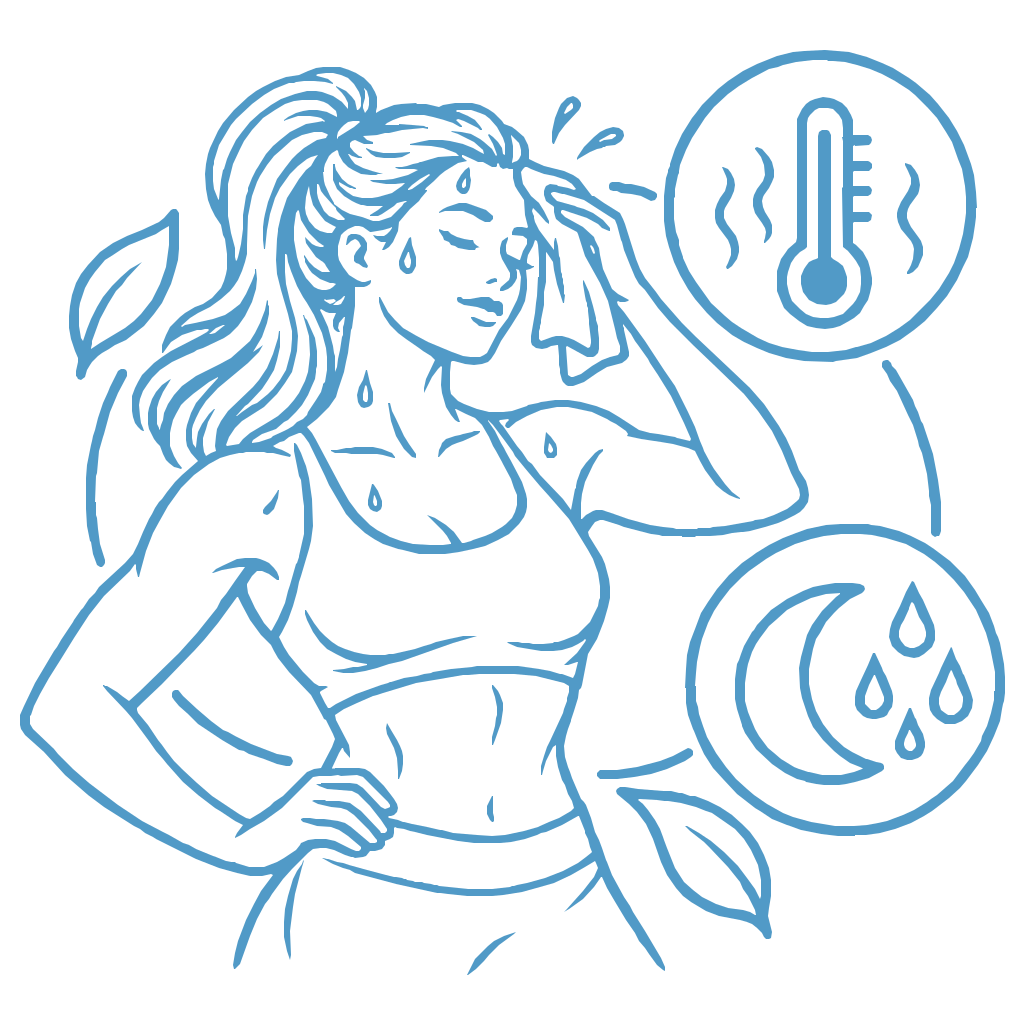
Blue line art of a flushed woman wiping her forehead, with thermometer and moon-with-sweat-drops icons.

Hot Flashes & Night Sweats

Changes in estrogen during perimenopause and menopause may contribute to hot flashes, night sweats, and temperature swings that can disrupt comfort and sleep.
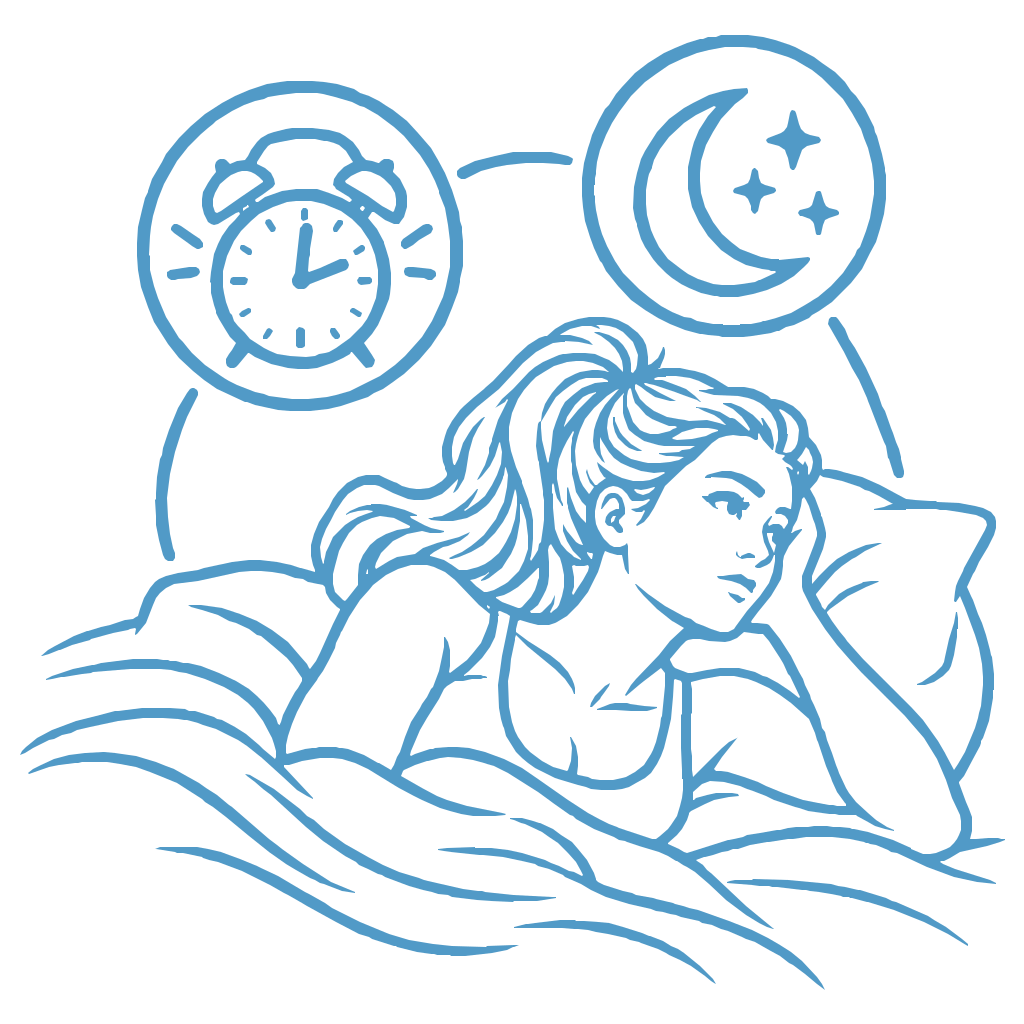
Blue line art of a woman lying awake in bed, with alarm-clock and moon icons.

Sleep Changes

Hormonal transitions may be associated with difficulty falling asleep, staying asleep, or waking feeling unrested, particularly when night sweats or other symptoms are present.

Blue line art of a woman sitting hugging her knees, with sun-and-cloud, wavy-line and brain icons.

Mood & Irritability

Some women experience changes in mood, irritability, emotional well-being, or concentration during periods of hormonal fluctuation.
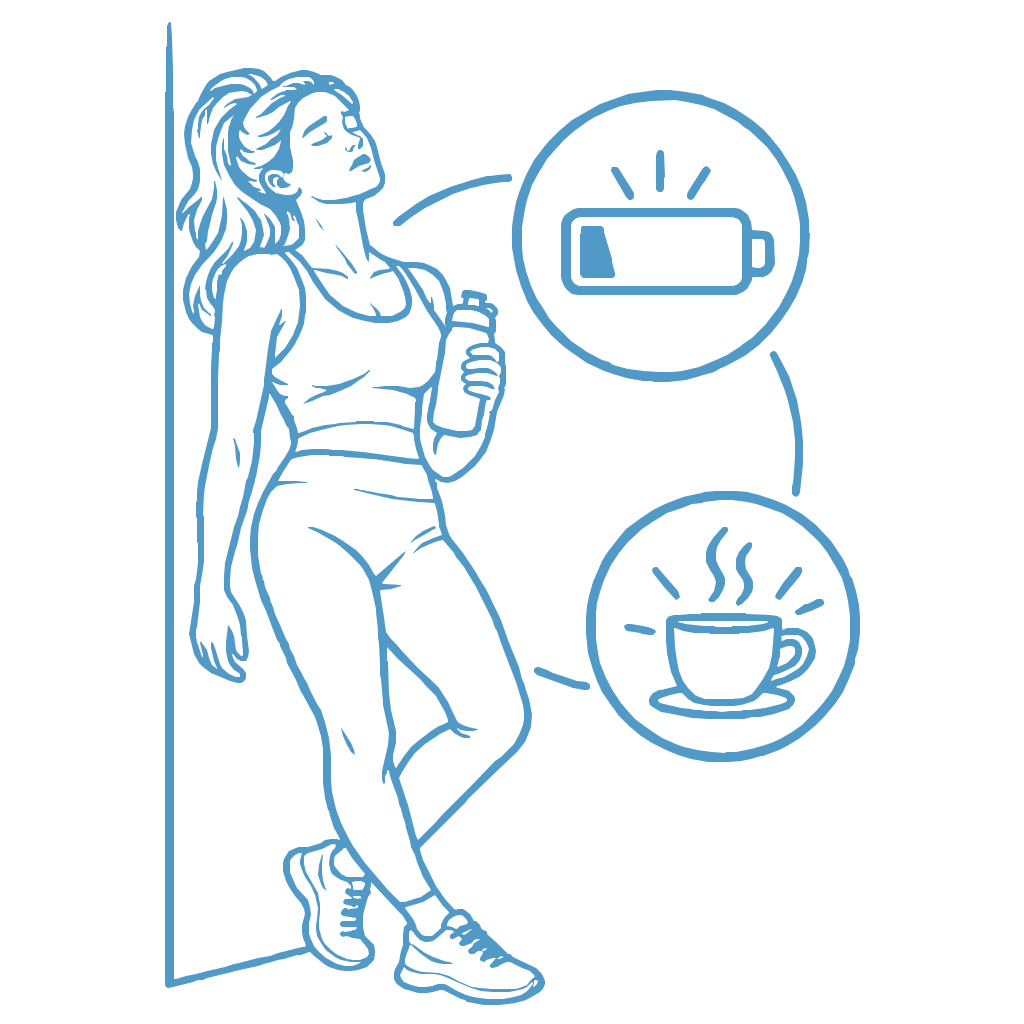
Blue line art of a tired woman leaning against a wall with a water bottle, with low-battery and coffee-cup icons.

Low Energy

Persistent fatigue or changes in energy may occur alongside hormonal changes, although other health, sleep, metabolic, and lifestyle factors should also be considered.

Blue line art of a woman with a hand on her chest, with heart and lotus icons.

Sexual Wellness

Hormonal changes may affect libido, vaginal comfort, and overall sexual wellness, particularly during perimenopause, menopause, and the years that follow.
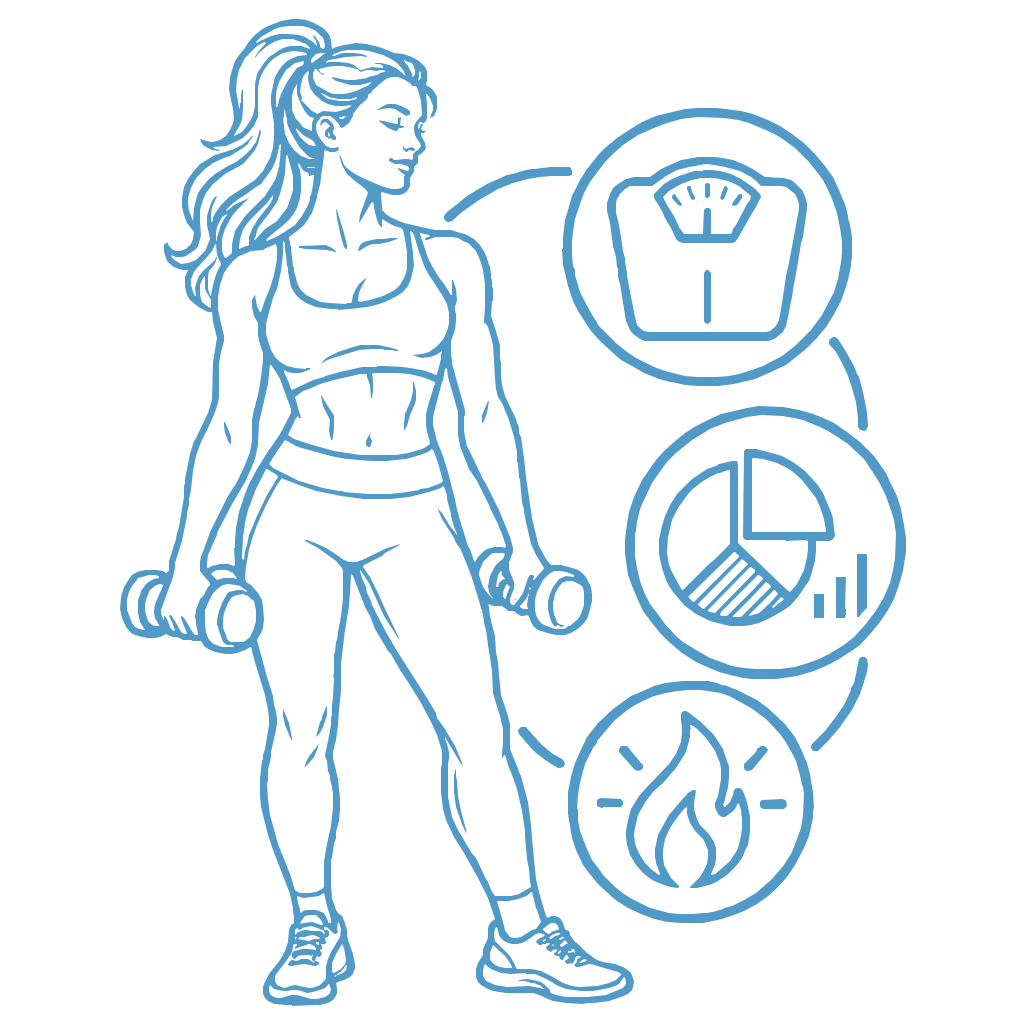
Blue line art of a woman holding dumbbells, with scale, pie-chart and flame icons.

Body Composition Changes

Women may notice changes in weight distribution, muscle mass, or body composition during hormonal transitions, making metabolic health part of a broader evaluation.

Perimenopause vs. Menopause

Understanding How Hormone Needs Can Change Over Time

Perimenopause and menopause are different stages of the menopausal transition. Perimenopause is the time leading up to menopause, when hormone levels can begin to fluctuate and change unpredictably. During this stage, women may experience changes in menstrual cycles, sleep, mood, energy, temperature regulation, and sexual wellness.

Menopause is reached after 12 consecutive months without a menstrual period, as explained by the National Institute on Aging. Hormonal symptoms may continue during and after this transition, although their type and intensity can vary widely.

Because these stages affect each woman differently, treatment should be based on more than age alone. At Lake Forest Regenesis, care considers your symptoms, health history, medications, risk factors, laboratory findings when appropriate, and personal goals.

The goal is to develop an individualized plan that reflects your current stage of life, changing symptoms, and long-term health needs.

What Your Women’s Hormone Program May Include

Personalized Care Designed Around Your Symptoms, Health & Stage of Life

Blue line art of a clinician and a woman reviewing a clipboard on a sofa, with checklist and calendar icons.

Comprehensive Health Evaluation

Your program begins with a review of your symptoms, medical history, medications, menstrual and reproductive history, lifestyle, and treatment goals to understand the factors that may be affecting your hormonal health.
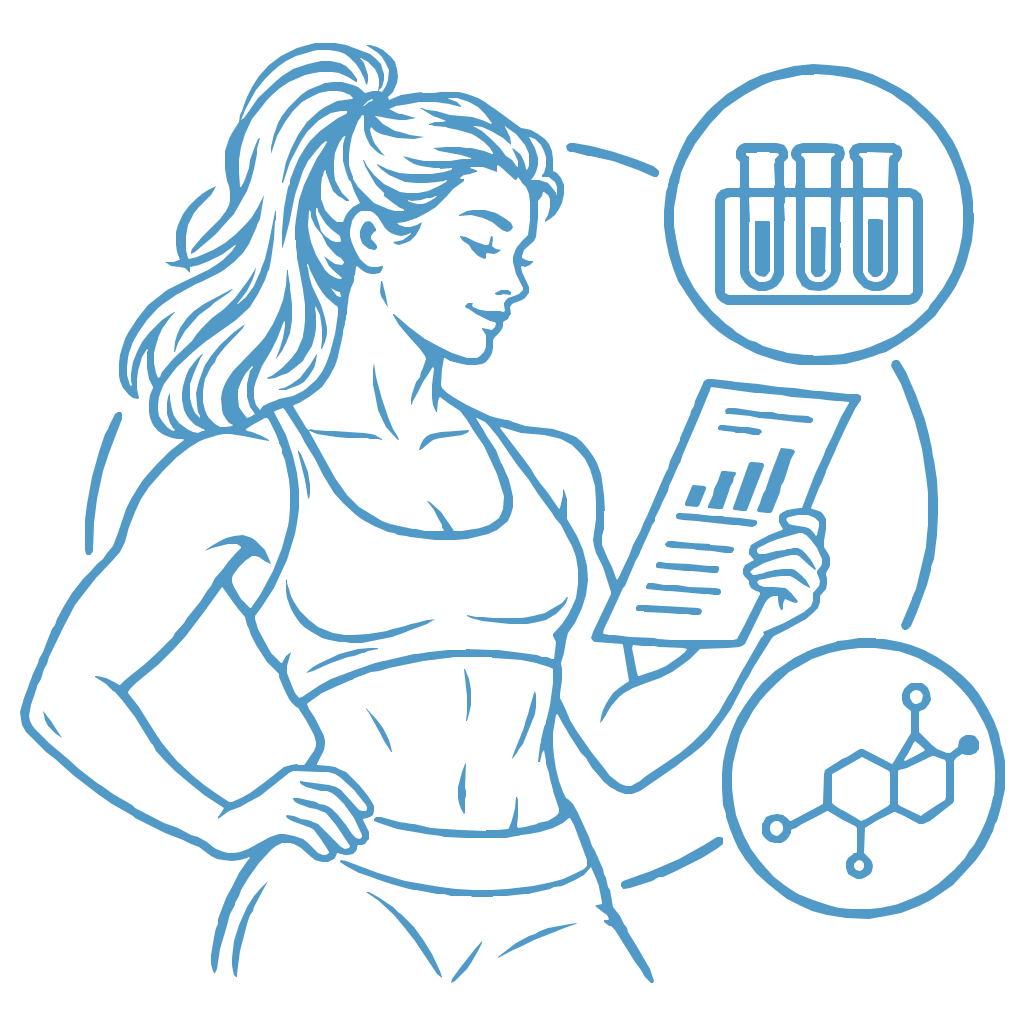
Blue line art of a woman reading a lab report, with test-tube and hormone-molecule icons.

Hormone & Laboratory Assessment

When clinically appropriate, laboratory testing may be used alongside your symptoms and health history to help evaluate hormone levels, metabolic health, and other factors that may influence treatment decisions.

Blue line art of a woman writing in a notebook at a desk, with checklist and target icons.

Personalized Treatment Plan

If hormone replacement therapy is appropriate, your plan is tailored around your symptoms, health needs, risk factors, preferences, and treatment response rather than using a standardized protocol.

Blue line art of a woman walking and checking her phone, with rising-chart, calendar-check and settings-slider icons.

Ongoing Monitoring & Adjustments

Regular follow-up helps your provider evaluate symptom changes, treatment tolerance, overall health, and your evolving needs so your hormone plan can be adjusted over time when appropriate.


What to Expect From Hormone Replacement Therapy

A Personalized Process That Evolves With Your Symptoms & Response

Hormone replacement therapy is individualized, and changes may occur gradually rather than all at once. Your response can depend on your symptoms, stage of life, treatment plan, and overall health.

During follow-up, your provider evaluates changes in sleep, energy, mood, temperature-related symptoms, sexual wellness, and other concerns that were identified before treatment began.

Treatment may be adjusted over time based on symptom response, medication tolerance, health changes, and laboratory findings when clinically appropriate.

The goal is not to target a single hormone number, but to develop a thoughtful, monitored plan that continues to reflect your symptoms, health needs, and long-term wellness goals. For questions about duration, see our article on how long to stay on menopause hormone therapy.

Before hormone therapy is recommended, your provider reviews your medical history, symptoms, medications, personal risk factors, and treatment goals to determine whether therapy may be appropriate.

Hormone replacement therapy is not right for every woman, and the potential benefits and risks should be considered individually before treatment begins.

During treatment, follow-up may include monitoring symptom response, medication tolerance, overall health, and laboratory findings when clinically appropriate.

Your treatment plan may be adjusted, paused, or discontinued based on your response, changing health needs, or clinical concerns to support appropriate and individualized care.

This content is for informational purposes only and is not intended to diagnose, treat, cure, or prevent any disease. All therapies are prescribed only after a comprehensive medical evaluation by a licensed provider. Results and outcomes may vary. Click for Full Disclaimer

Allana Bush, NP-C, at her desk in the Lake Forest Regenesis office
Consultation at our Lake Forest office

One Provider Who Knows Your History

Every visit is with Allana, so your symptoms, labs and history stay with the same provider as your plan evolves.

Hormone Therapy Is Only Part of the Bigger Picture

Supporting Hormonal Health Through Sleep, Nutrition, Movement & Metabolic Wellness

Hormone replacement therapy may help address certain symptoms, but long-term wellness depends on more than hormones alone.

Sleep, nutrition, physical activity, stress, body composition, and metabolic health can all influence how women feel during perimenopause, menopause, and other hormonal transitions.

At Lake Forest Regenesis, hormone care is considered within the broader context of your overall health, lifestyle, medications, weight-related concerns, and personal goals.

As treatment progresses, your provider can help adjust your plan so hormone therapy continues to address your symptoms, while sleep, nutrition, and metabolic health are supported alongside it.

Women who want hormone care and routine primary care with the same provider may also consider Direct Primary Care.

You may be a candidate for women’s hormone replacement therapy if you:

  • Are in perimenopause or menopause

  • Have symptoms related to hormone changes

  • Have hot flashes or night sweats

  • Have sleep disruption or mood changes linked to these symptoms

  • Have vaginal dryness, discomfort, or low libido

  • Want a medically supervised and personalized approach

Being a candidate is based on your health profile—not age alone.

Hormone replacement therapy is not appropriate for every woman, and treatment should only be considered after an individualized medical evaluation.

Depending on the type of hormone therapy being considered, treatment may not be recommended for women with certain histories such as hormone-sensitive cancers, blood clots or stroke, unexplained vaginal bleeding, significant liver disease, pregnancy, or other medical risk factors.

Your provider will review your personal and family history, current medications, symptoms, previous treatment experiences, and overall health before determining whether hormone therapy may be appropriate.

If hormone replacement therapy is not the right option, other approaches to symptom management, metabolic health, sexual wellness, and healthy aging may be discussed.

Your Women’s Hormone Therapy Process

A Personalized Approach From Initial Evaluation Through Ongoing Hormone Care

Provider with clipboard talking with a woman patient at a table, with health history, conversation and goal icons

Initial Consultation With Allana

Your first visit is a 90-minute consultation with Allana focused on your symptoms, health history, medications, menstrual history, lifestyle, and treatment goals. Your labs are drawn during this visit.

Provider showing a seated man his lab results, with lab test tube and heart rhythm icons

Clinical Assessment & Lab Review

Once your results are back, a 90-minute follow-up with Allana evaluates whether hormone therapy may be appropriate based on your labs, symptoms, medical history, and risk factors.

Woman holding a care plan checklist surrounded by nutrition, exercise and sleep icons

Personalized Hormone Plan

If treatment is appropriate, your hormone plan is developed around your symptoms, stage of life, health needs, preferences, and treatment goals rather than using a standardized protocol.

Provider and man looking at a rising progress chart, with a calendar check-in icon

Follow-Up & Ongoing Management

Regular follow-up helps monitor symptom changes, treatment tolerance, overall health, and evolving needs so your hormone therapy can be adjusted when clinically appropriate.


Meet Your Women’s Hormone Therapy Provider

Personalized Hormone Care Led by an Experienced Family Nurse Practitioner

Allana Bush, FNP-C, nurse practitioner at Lake Forest Regenesis in Lake Forest, IL

Women’s hormone therapy at Lake Forest Regenesis is led by Allana Bush, FNP-C, RN, PHN, MSN, a family nurse practitioner with more than 20 years of healthcare experience.

Her clinical focus includes hormone optimization, medical weight management, metabolic health, and personalized wellness care. Allana considers symptoms within the broader context of each woman’s health history, medications, stage of life, lifestyle, and individual goals.

Patients receive ongoing medical guidance and monitoring throughout treatment so their hormone plan can evolve based on symptom response, tolerance, changing health needs, and long-term wellness goals.

Benefits of Personalized Women’s Hormone Care

Individualized Support for Symptoms, Hormonal Changes & Long-Term Wellness

Blue line art of a clinician and a woman reviewing a clipboard, with checklist and heart icons.

Symptom-Focused Care

Treatment is centered on the specific symptoms affecting your daily life and well-being, rather than relying on a one-size-fits-all hormone protocol.

Blue line art of a woman with crossed arms smiling, with puzzle-piece and person-check icons.

Personalized Treatment

Your plan is tailored around your health history, stage of life, symptoms, preferences, risk factors, and how you respond to treatment over time.

Blue line art of a woman stretching her arms up energetically, with sunrise and full-battery icons.

Sleep & Energy Support

Hormone care may help address symptoms that contribute to sleep disruption, fatigue, and low energy when those concerns are related to hormonal changes.

Blue line art of a woman meditating cross-legged, with a heart-and-medical-cross icon.

Sexual Wellness Support

Treatment may support concerns related to libido, vaginal comfort, and sexual wellness as part of a broader, individualized approach to women’s health.

Blue line art of a woman squatting with a kettlebell, with flame and body-progress icons.

Metabolic Health Support

Hormonal changes can affect weight distribution, muscle mass, and metabolic health, making these factors important to consider as part of an individualized care plan.
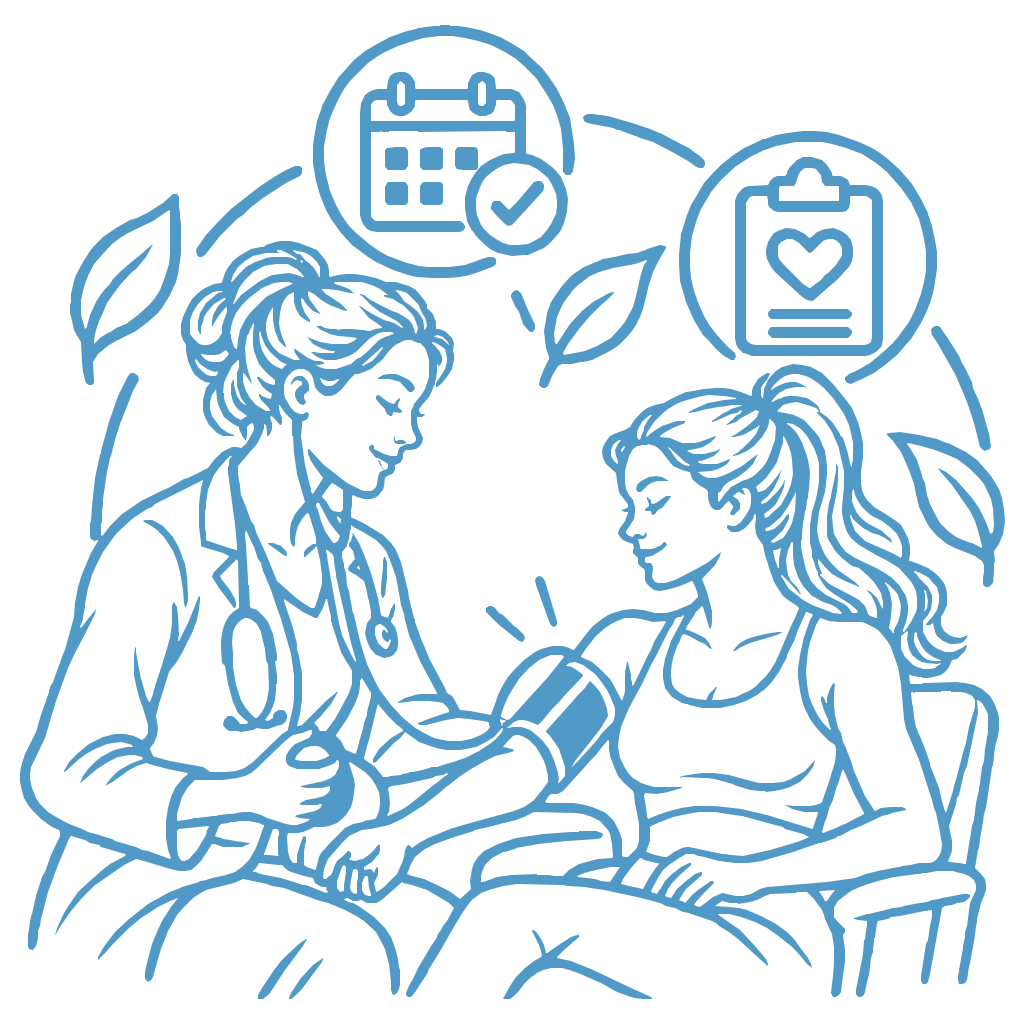
Blue line art of a clinician taking a woman's blood pressure, with calendar-check and heart-clipboard icons.

Ongoing Medical Monitoring

Regular follow-up helps your provider evaluate symptom response, treatment tolerance, changing health needs, and overall progress throughout therapy.


Related Reading

Women's Hormone Health Articles From Our Patient Education Library

Frequently Asked Questions About Women’s Hormone Replacement Therapy

Answers to Common Questions About Hormone Therapy, Perimenopause & Menopause

Hormone replacement therapy generally refers to using hormones to address symptoms associated with hormonal decline or change, while hormone optimization is a broader approach that considers symptoms, health history, lifestyle, metabolic health, and individualized treatment goals.

Women may consider hormone therapy when symptoms such as hot flashes, night sweats, sleep disruption, mood changes, or sexual wellness concerns begin affecting daily life. Whether treatment is appropriate depends on your symptoms, health history, and individual risk factors.

Depending on individual needs, treatment may involve estrogen, progesterone, or other clinically appropriate hormone support. The specific approach depends on factors such as symptoms, medical history, reproductive status, risk factors, and treatment goals.

Response varies between patients and by symptom. Some women may notice changes earlier than others, while certain concerns may take more time. Regular follow-up helps evaluate progress, tolerance, and whether treatment adjustments are appropriate.

Hormone therapy has potential benefits and risks that vary by individual. Factors such as age, health history, type of therapy, medications, and personal risk factors should be reviewed before treatment and monitored over time.

There is no single treatment timeline that applies to every woman. Duration should be individualized based on symptoms, treatment benefits, risks, health changes, and personal goals, with continued evaluation during follow-up care.

Start Your Regenesis Today

Take the Next Step Toward Personalized, Provider-Guided Hormone Care

Your first step is a consultation focused on understanding your symptoms, health history, medications, stage of life, and treatment goals. This helps determine whether hormone replacement therapy may be appropriate for your individual needs.

Your initial consultation is a 90-minute visit with Allana that includes your lab draw, followed by a 90-minute visit to review your results and options.

If treatment is recommended, your plan is developed around your symptoms, health risks, preferences, treatment response, and overall wellness goals rather than using a standardized hormone protocol.

Regular follow-up helps monitor symptom changes, treatment tolerance, overall health, and evolving needs while allowing your hormone plan to be adjusted over time. The goal is to support long-term wellness with care that remains personalized as your health and symptoms change.

Results vary, and no treatment can be guaranteed. See our Medical Disclaimer.

Lake Forest Regenesis logo

A Personal Message From Your Provider

Hormone Therapy Should Be Individualized, Thoughtful & Monitored Over Time

“My goal is to help women navigate hormonal changes with care that is personalized, medically responsible, and focused on how they actually feel. Hormone therapy can be helpful for the right patient, but treatment should always consider symptoms, health history, risk factors, lifestyle, and long-term goals.

I want patients to understand their options, feel comfortable asking questions, and know why their treatment may change over time. The goal is to create a plan that supports symptom relief, overall wellness, and long-term health.”

Signature of Allana Bush, FNP-C, lead provider at Lake Forest Regenesis

Allana Bush, FNP-C, RN, PHN, MSN

Medical Weight Management & Hormone Optimization

Lake Forest, IL