
Quick Answer
TB-500 is a lab-made peptide based on a small piece of thymosin beta-4, a protein found in nearly every cell that’s involved in cell movement and tissue repair. The full protein has been tested in early human trials for wounds and eye conditions, while research on TB-500 itself is still mostly in animals and the lab.
Who this is for: people who have read about TB-500 for muscle, tendon or soft-tissue recovery and want to understand what is actually known.

What Is TB-500?
Thymosin beta-4 is a natural protein made of 43 amino acids. It’s involved in controlling actin, a building block cells use to change shape and move, which matters when tissue is repairing itself. It is found in high amounts in platelets and in wound fluid.
TB-500 is a synthetic version of a short active region of thymosin beta-4. It was first used in veterinary and horse-racing settings, and it is now sold online for injury recovery, flexibility and general healing. Products labeled TB-500 vary: some contain the short fragment and some contain the full protein, so the name alone doesn’t tell you what is in the vial.
TB-500 vs. Thymosin Beta-4
The names are often used interchangeably, but they aren’t the same thing, and their research is different.
- Thymosin beta-4 (full protein) has been studied by drug developers in early human trials, including a skin-wound trial in people with venous leg ulcers and eye-drop trials for dry eye and a type of corneal damage. Some results were encouraging but mixed, and it has not been approved for any use.
- TB-500 (fragment) has mostly been studied in animals and in the lab. Results from thymosin beta-4 trials can’t be assumed to apply to it.
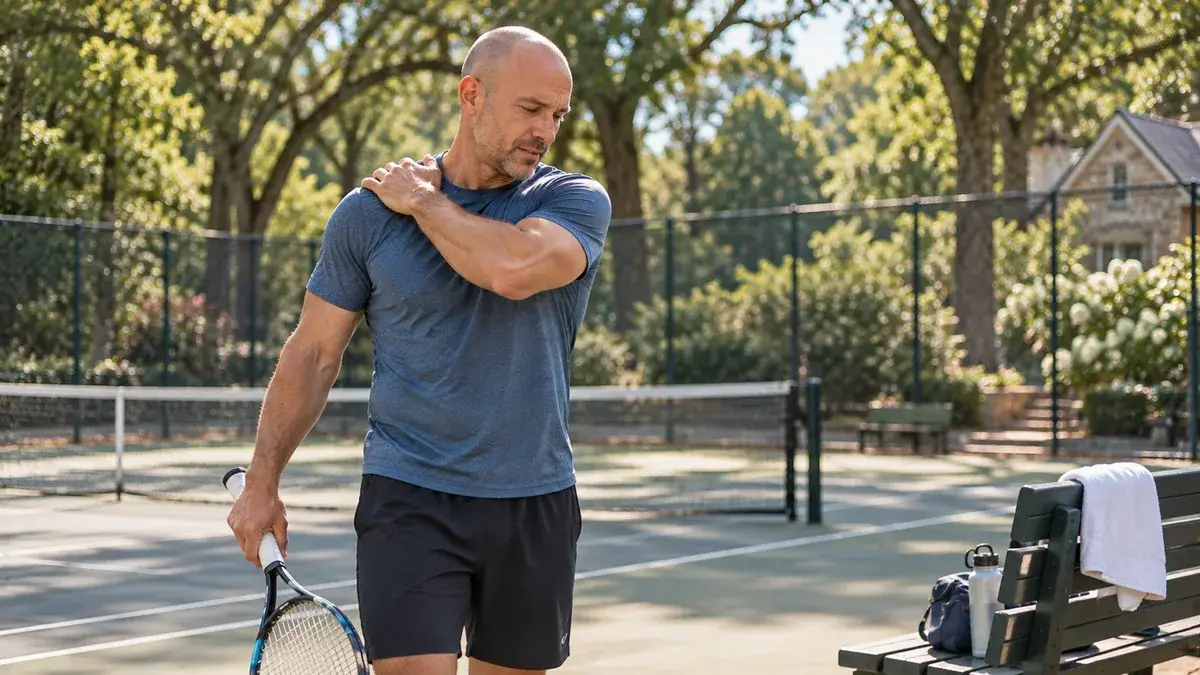
TB-500 is often discussed alongside BPC-157.
What the Research Shows
In animal studies, thymosin beta-4 and related fragments have been linked to faster wound closure, new blood vessel growth, less scarring and reduced inflammation, including in skin, heart and eye tissue. Researchers have also studied it after heart attacks in animals, with interest in whether it might help protect heart muscle.
Research in people for the uses most people search for, such as faster recovery from muscle, tendon or ligament injuries, is still in its early stages. Much of its reputation comes from personal reports, which are interesting but hard to interpret on their own.
Risks and Unknowns
Short-term side effects people report include injection-site irritation, tiredness, headache and lightheadedness. Beyond that:
- There is no established human dose for TB-500.
- Long-term safety has not been studied in people.
- Because it may promote blood vessel growth and cell movement, some experts have raised theoretical concerns for anyone with a current or past cancer.
- Quality can vary between sources, which is one reason to talk with a provider first.
How It Compares
TB-500 is often paired with BPC-157, sold together as the Wolverine stack. Both are still being studied, and the combination hasn’t yet been tested in formal trials. For soft-tissue injuries, physical therapy, gradual loading, sleep, adequate protein and treating medical contributors like low iron or vitamin D have much more evidence behind them.
FDA Status
TB-500 is not FDA-approved, and its status for pharmacy compounding is unsettled. See Peptides and the FDA.

Talking With a Provider About TB-500
If you’re weighing a peptide you’ve read about, Allana can review your health history, labs and goals and talk through what’s known and what isn’t, so you can make an informed decision.
Recovering slowly from an injury? Let’s look at the whole picture first, from hormones to nutrition to how you train.
Frequently Asked Questions
Is TB-500 the same as thymosin beta-4?
No. TB-500 is based on a fragment of thymosin beta-4, and the two have different research behind them.
Has thymosin beta-4 been tested in people?
The full protein has been tested in early trials for skin wounds and eye conditions. TB-500 itself is earlier in the research process.
Can TB-500 be taken with BPC-157?
The combination is popular, but it hasn't been studied in people.
Is TB-500 safe for athletes?
Competitive athletes should avoid it. It is on the prohibited list for drug-tested sports.
References
This article is for general education and is not a substitute for individual medical advice. See our medical disclaimer.