

Quick Answer
Sleep is shaped by more than habits and stress. Hormone changes during perimenopause and menopause, thyroid problems, blood sugar swings, sleep apnea and low testosterone can all affect how well you sleep. Poor sleep, in turn, can affect appetite, weight, mood and energy. If trouble sleeping lasts more than a few weeks, it is worth looking at both your routines and your health.
Who this is for: adults who have trouble falling asleep, staying asleep or waking up rested, and want to understand possible medical causes.
Why Sleep and Health Are So Connected
Sleep is when the body repairs tissues, balances hormones and consolidates memory. Most adults need at least seven hours a night. Ongoing short or poor-quality sleep is linked with higher risk of weight gain, type 2 diabetes, high blood pressure, heart disease and depression.[1]
The relationship goes both ways. Health conditions can disrupt sleep, and poor sleep can make those conditions harder to manage.
Hormonal and Metabolic Causes of Poor Sleep
Perimenopause and menopause
Hot flashes and night sweats often wake women during the night. Changing hormone levels can also affect mood and sleep quality on their own. Sleep problems are one of the most common complaints during the menopause transition.
Thyroid problems
An overactive thyroid can cause restlessness, a racing heart and trouble falling asleep. An underactive thyroid more often causes daytime fatigue and sluggishness.
Blood sugar
Large swings in blood sugar can cause night-time waking, sweating or hunger. Poorly controlled diabetes can also lead to frequent urination at night.
Sleep apnea
Sleep apnea causes repeated pauses in breathing during sleep. It is more common with excess weight, in men and in women after menopause. Loud snoring, gasping, morning headaches and daytime sleepiness are common signs.
Low testosterone
Low testosterone and poor sleep are linked in men, and sleep apnea itself can lower testosterone levels.
Hormones, blood sugar and breathing during sleep can all affect sleep quality.
Other Common Causes
- Stress, anxiety and depression
- Caffeine late in the day, alcohol and nicotine
- Irregular schedules and screens close to bedtime
- Pain, restless legs and frequent urination at night
- Some medications, including certain antidepressants, steroids, decongestants and blood pressure medications
What Can Help
Good sleep habits are a strong starting point:
- Keep the same sleep and wake times every day, including weekends
- Keep your bedroom cool, dark and quiet, which can also help with night sweats
- Limit caffeine after midday and avoid alcohol close to bedtime
- Get morning daylight and regular physical activity
- Put screens away before bed
For ongoing insomnia, cognitive behavioral therapy for insomnia (CBT-I) is a well-supported, first-line treatment. When a medical cause is involved, such as menopause symptoms, thyroid problems or sleep apnea, treating that cause can make a significant difference.

How We Approach Sleep Problems at Lake Forest Regenesis
Allana looks at sleep as part of your overall health. She asks about your sleep pattern, night sweats, snoring, stress, caffeine and alcohol, and reviews your medications. Labs such as thyroid, blood sugar and hormone testing may be ordered when symptoms point that way. If sleep apnea is suspected, she can help arrange a sleep evaluation, and the plan addresses the causes most likely to be affecting your rest.
When to See a Provider
Talk with a provider if trouble sleeping lasts more than a few weeks, if you snore loudly or someone notices you stop breathing during sleep, or if you feel very sleepy during the day, especially while driving. Seek help promptly if poor sleep comes with low mood or thoughts of harming yourself. Call or text 988 for support.
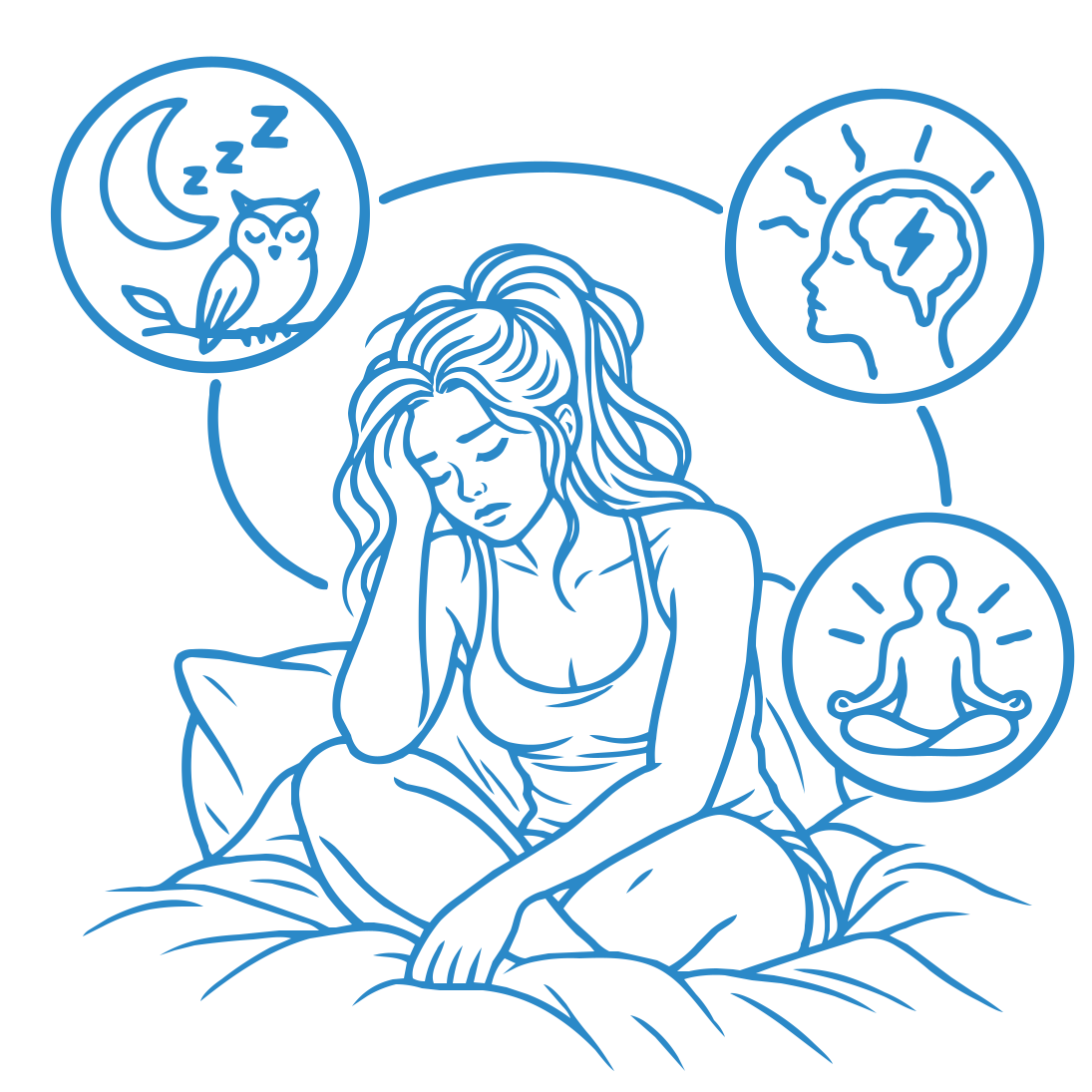
Trouble sleeping for more than a few weeks? Allana can review your sleep, stress and medications and check for medical causes.
Frequently Asked Questions
Can menopause cause insomnia?
Yes. Night sweats, hot flashes and hormone changes can make it harder to fall and stay asleep. Several treatments, including hormone therapy for women who are good candidates, can help.
Does poor sleep affect weight?
Yes. Short sleep can increase hunger and cravings, reduce energy for activity and affect how the body handles blood sugar.
How do I know if I have sleep apnea?
Common signs include loud snoring, gasping or choking at night, morning headaches and daytime sleepiness. A sleep study is needed to diagnose it.
Are sleeping pills a good long-term solution?
Usually not as a first choice. Sleep medications can have side effects and may not address the cause. Behavioral approaches such as CBT-I are generally recommended first for ongoing insomnia.
References
- National Heart, Lung, and Blood Institute. Sleep deprivation and deficiency. Read the article
- Eunice Kennedy Shriver National Institute of Child Health and Human Development. Menopause. Read the article
This article is for general education and is not a substitute for individual medical advice. See our medical disclaimer.




