

Quick Answer
When you lose weight, some of what you lose can be muscle rather than fat. Strength training, getting enough protein, losing weight at a steady pace and staying active are the most reliable ways to preserve muscle while losing weight. Keeping muscle helps maintain strength, supports your metabolism and makes it easier to keep weight off.
Who this is for: adults who are losing weight or planning to, including those taking a GLP-1 medication, who want to keep their strength along the way.
Why Muscle Matters During Weight Loss
Muscle does far more than shape how you look. It supports balance, posture, joint health and everyday strength, and it plays an important role in how your body handles blood sugar. Muscle also uses more energy than fat, even at rest, so keeping it can make maintaining your new weight easier.
As we age, we naturally lose some muscle each decade, especially without regular strength training. Weight loss can speed that process up if the body is not given a reason to hold on to muscle. This is why the goal is not just to lose weight, but to lose mostly fat.
How Much Muscle Can You Lose?
The amount varies widely depending on how quickly you lose weight, how much protein you eat, whether you strength train, your age and your starting point. Some lean mass loss is expected with any significant weight loss, and studies of weight loss medications have shown that a meaningful share of the weight lost can come from lean tissue, which includes muscle as well as water and other tissue.
This concern is one reason a 2025 joint advisory from four medical and nutrition organizations named adequate protein and strength training as priorities for people using GLP-1 medications.[1]
Practical Ways to Protect Muscle
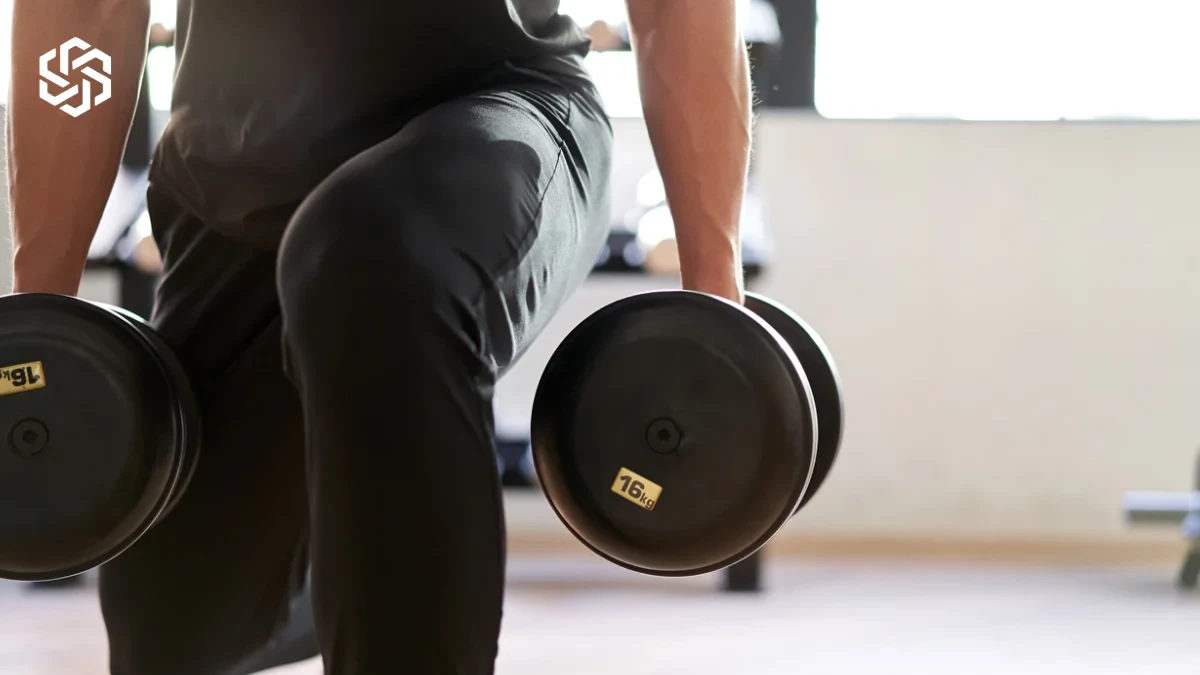
Strength train at least two days a week
Resistance exercise is the strongest signal you can give your body to keep muscle. Federal guidelines recommend muscle-strengthening activity that works all major muscle groups on two or more days a week.[2] This can include weights, resistance bands, machines or body-weight exercises such as squats and push-ups. If you are new to strength training, start light, focus on good form and progress gradually.
Eat enough protein
Protein provides the building blocks for muscle. Including a good source of protein at each meal, such as eggs, Greek yogurt, fish, poultry, lean meat, tofu, beans or lentils, makes it easier to reach your needs, especially when your appetite is smaller. Your ideal amount depends on your size, age, activity level and kidney health, so ask your provider what target makes sense for you.
Avoid losing weight too fast
Very rapid weight loss tends to include more muscle loss. A steady pace gives your body time to adapt and makes it easier to keep up strength training and good nutrition.
Stay active throughout the day
Walking and general movement support heart health and energy, and help you stay consistent with your routine.
Sleep and recover
Muscle repair happens during rest. Regular, good-quality sleep supports recovery and helps you stay consistent with exercise.

Strength training and protein are two of the most reliable ways to protect muscle.
How to Know if You Are Keeping Muscle
The scale cannot tell the difference between fat and muscle. Other signs can help: whether your strength is holding steady or improving, how your clothes fit, waist measurements and how you feel during daily activities. Body composition testing can give a more detailed picture when it is available.

How We Approach Muscle Health at Lake Forest Regenesis
Protecting muscle is built into how Allana approaches weight loss. She looks at your current activity, protein intake, age and health history, and talks through realistic strength and nutrition goals that fit your routine. Progress is measured by more than the scale, including strength, measurements and how you feel, and the plan is adjusted if signs suggest you are losing more muscle than expected.
When to See a Provider
Talk with a provider before starting a new exercise program if you have heart disease, high blood pressure, joint problems or other medical conditions. Contact your provider if you notice increasing weakness, frequent falls, dizziness or unusual fatigue while losing weight. Ask before increasing protein significantly if you have kidney disease.

Losing weight and want to keep your strength? We can set realistic protein and strength goals and track more than the scale.
Frequently Asked Questions
Do I need to lift heavy weights?
No. What matters most is challenging your muscles consistently. Light weights, resistance bands and body-weight exercises can all work, especially when you gradually increase the effort.
How much protein do I need?
It depends on your body size, age, activity level and health. Many people do best by including protein at every meal. Your provider can help you set a target, especially if you have kidney disease.
Can I build muscle while losing weight?
Some people can, especially those new to strength training. More often, the realistic goal is to keep as much muscle as possible while losing fat.
Do GLP-1 medications cause muscle loss?
Any significant weight loss can include some muscle loss, and that includes weight loss with GLP-1 medications. Strength training and adequate protein can help reduce how much muscle is lost.
References
- Mozaffarian D, et al. Nutritional priorities to support GLP-1 therapy for obesity: a joint advisory from the American College of Lifestyle Medicine, the American Society for Nutrition, the Obesity Medicine Association and The Obesity Society. 2025. Read the advisory
- Centers for Disease Control and Prevention. Adult activity: an overview. Read the guidelines
This article is for general education and is not a substitute for individual medical advice. See our medical disclaimer.




