

Quick Answer
The pelvic floor is a group of muscles and tissues that support the bladder, bowel and, in women, the uterus and vagina. Pregnancy, childbirth, menopause and aging can weaken these supports, leading to bladder leakage, pelvic pressure, changes in sexual sensation or bowel control problems. These pelvic floor changes are common, and many can be improved with pelvic floor exercises and other treatments.
Who this is for: women after pregnancy or around menopause, and anyone noticing leaks, pressure or other pelvic floor changes.
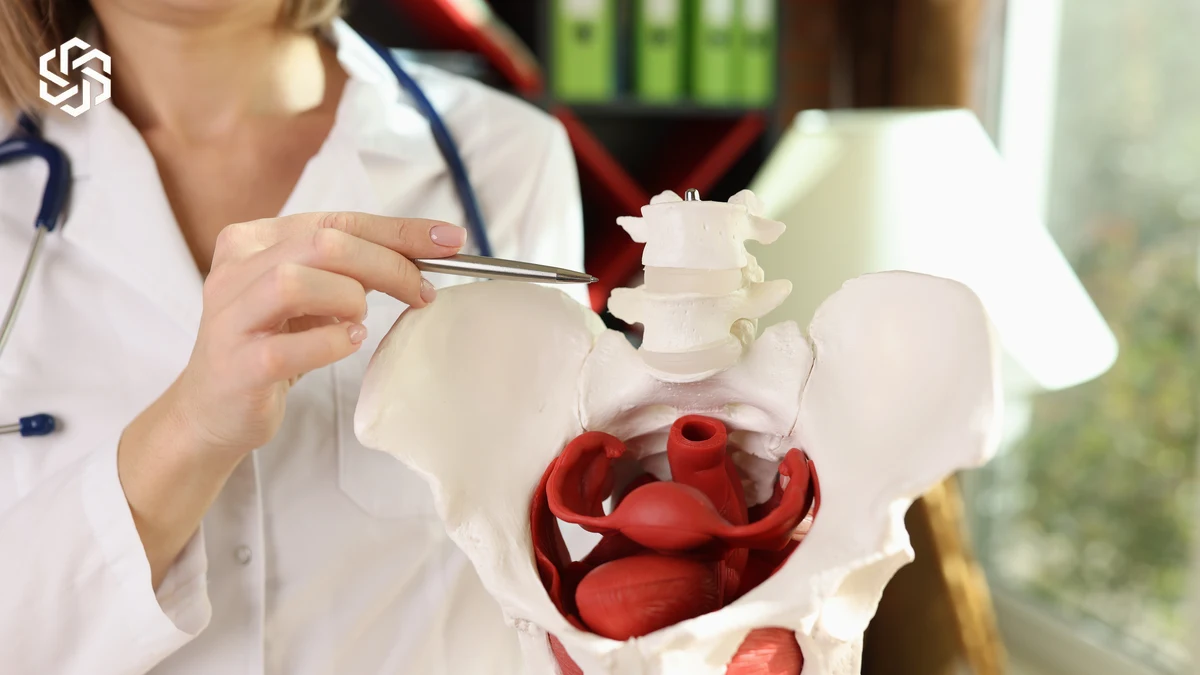
What the Pelvic Floor Does
The pelvic floor works like a supportive sling at the bottom of the pelvis. It helps control the bladder and bowel, supports the pelvic organs, stabilizes the core and plays a role in sexual function. Like other muscles, it can weaken, become too tight or lose coordination.[1]
Changes After Pregnancy and Childbirth
During pregnancy, the growing uterus puts steady pressure on the pelvic floor, and hormones loosen connective tissue. Vaginal delivery can stretch or injure muscles and nerves, especially with a long pushing stage, a large baby or an assisted delivery.
Common changes after childbirth include leaking with coughing or exercise, reduced sensation, discomfort with sex and, less often, trouble controlling gas or stool. Many symptoms improve in the months after delivery, especially with pelvic floor exercises, but ongoing symptoms deserve evaluation.

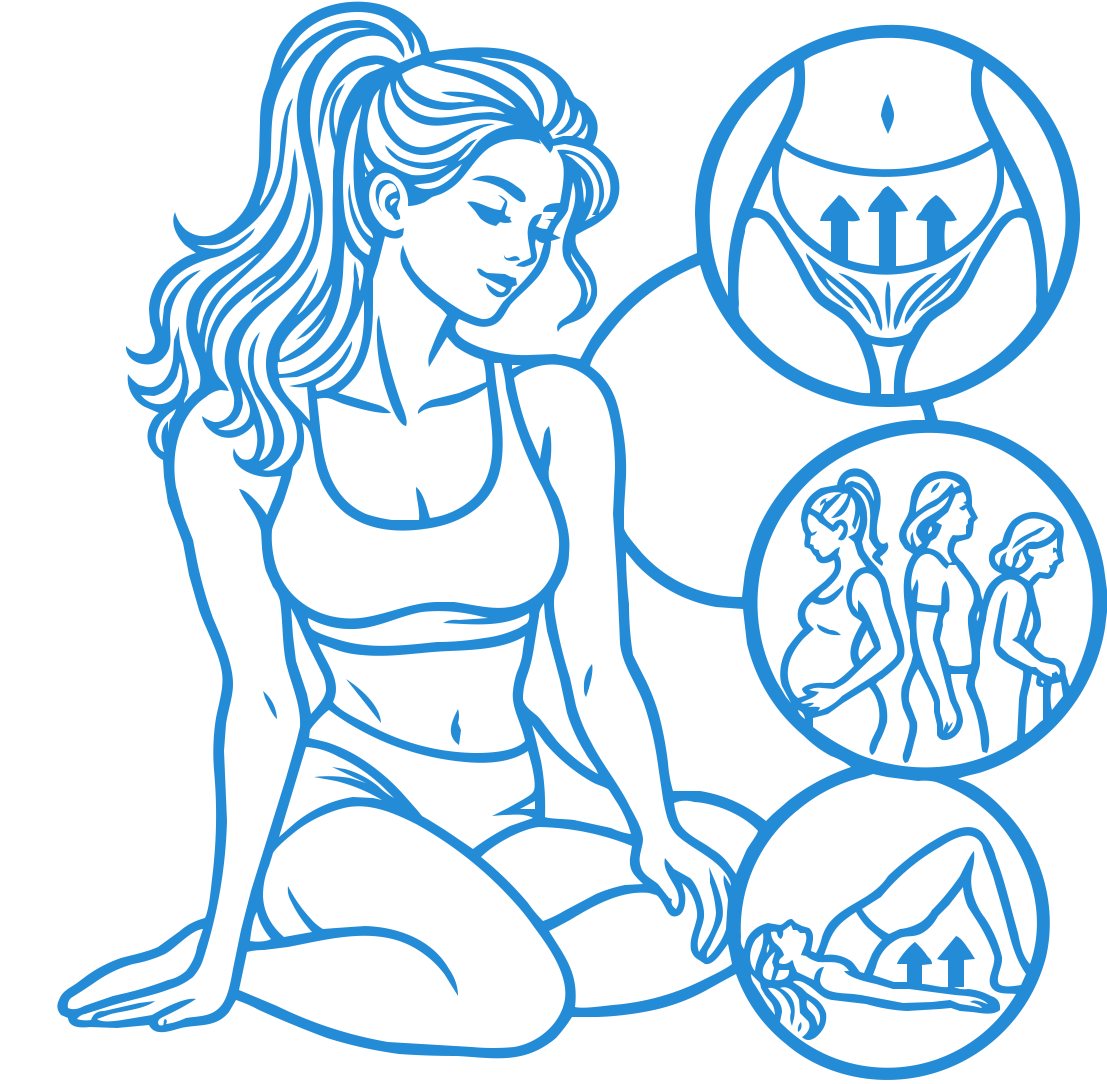
Pregnancy, menopause and aging can all affect pelvic floor support.
Changes With Age and Menopause
With age, muscles and connective tissues gradually lose strength and elasticity. After menopause, lower estrogen can thin the tissues of the vagina, urethra and bladder, which can contribute to urgency, leaks, dryness and discomfort.[2]
Some women develop pelvic organ prolapse, where the bladder, uterus or rectum drops into the vagina. Symptoms can include a feeling of pressure or heaviness, a bulge, or trouble emptying the bladder or bowel.[1]
What Can Help
- Pelvic floor muscle training, ideally guided by a pelvic floor physical therapist
- Healthy bowel habits to avoid straining
- Reaching a healthy weight to reduce pressure on the pelvic floor
- Vaginal estrogen after menopause, when appropriate, to support tissue health[2]
- Pessaries, supportive devices placed in the vagina for prolapse or leaks
- Non-surgical pelvic floor treatments that strengthen the muscles
- Surgery for some people with significant prolapse or leakage

How We Approach Pelvic Floor Health at Lake Forest Regenesis
Allana listens to the changes you are noticing and how they affect daily life, exercise and intimacy. She reviews your history, rules out other causes and discusses options that match your symptoms and goals, including the non-surgical pelvic floor treatments offered at the clinic when appropriate. When pelvic floor physical therapy or a specialist evaluation is the better next step, she will help you get there.
When to See a Provider
See a provider for a bulge or heavy feeling in the vagina, ongoing leaks, pain with sex, or trouble emptying your bladder or bowels. Seek prompt care for bleeding after menopause, blood in the urine or stool, or new loss of bowel control. Call 911 for sudden loss of bladder or bowel control with numbness or weakness in the legs.
Noticing leaks, pressure or other changes since pregnancy or menopause? Talk privately with Allana about what’s going on and your options.
Frequently Asked Questions
How soon after having a baby should pelvic floor symptoms improve?
Many symptoms improve over the first several months. If leaks, pain or pressure continue beyond that, or are severe, talk with a provider.
Can pelvic floor problems be prevented?
Pelvic floor exercises, avoiding straining, managing weight and staying active can lower the risk or reduce symptoms.
What is pelvic organ prolapse?
It is when pelvic organs such as the bladder or uterus drop into the vagina because their support has weakened. It can cause pressure, a bulge or bladder and bowel changes.
Do men have pelvic floor problems?
Yes. Men can have pelvic floor weakness or tightness, often related to prostate surgery, chronic straining or pelvic pain.
References
- National Institutes of Health, Office of Research on Women’s Health. Pelvic floor disorders. Read the article
- The North American Menopause Society. The 2020 genitourinary syndrome of menopause position statement. Menopause. 2020. Read the statement
This article is for general education and is not a substitute for individual medical advice. See our medical disclaimer.




