

Quick Answer
When comparing B12 injections vs. oral B12, both can correct low levels. Injections bypass the digestive tract and are often used for severe deficiency, nerve symptoms or absorption problems. High-dose oral B12 can work well for many people, including some with absorption problems, because a small amount is absorbed even without the usual pathway. The best choice depends on the cause of your low B12, how low it is and your preferences.
Who this is for: adults with low or borderline B12, or those considering B12 injections, who want to compare options.

How B12 Is Normally Absorbed
Vitamin B12 is found naturally in animal foods such as meat, fish, eggs and dairy, and is added to some fortified foods. To absorb it, the body needs stomach acid to release B12 from food and a protein called intrinsic factor, made in the stomach, to carry it to the end of the small intestine.[1]
When any step in this process is disrupted, B12 levels can fall even if your diet contains enough.
Common Reasons for Low B12
- Older age, as stomach acid production often decreases
- Pernicious anemia, an autoimmune condition that blocks intrinsic factor
- Stomach or intestinal surgery, including bariatric surgery
- Digestive conditions such as celiac disease or Crohn’s disease
- Long-term use of metformin or acid-reducing medications
- Vegan or mostly plant-based diets without fortified foods or supplements[1]
Injections vs. Oral B12
B12 injections
- Bypass the digestive tract entirely
- Often preferred for severe deficiency or neurological symptoms such as numbness or balance problems, at least at first
- Useful when absorption is significantly impaired
- Given in a clinic or sometimes at home, on a schedule set by your provider
Oral B12
- Convenient and inexpensive
- At high doses, a small percentage is absorbed through a pathway that does not require intrinsic factor, so it can work even for some people with pernicious anemia[1]
- Requires taking it consistently every day
- Effective for many people with mild deficiency or dietary causes
Research has found that high-dose oral B12 can raise levels similarly to injections for many people, but injections may still be preferred in certain situations.[1]
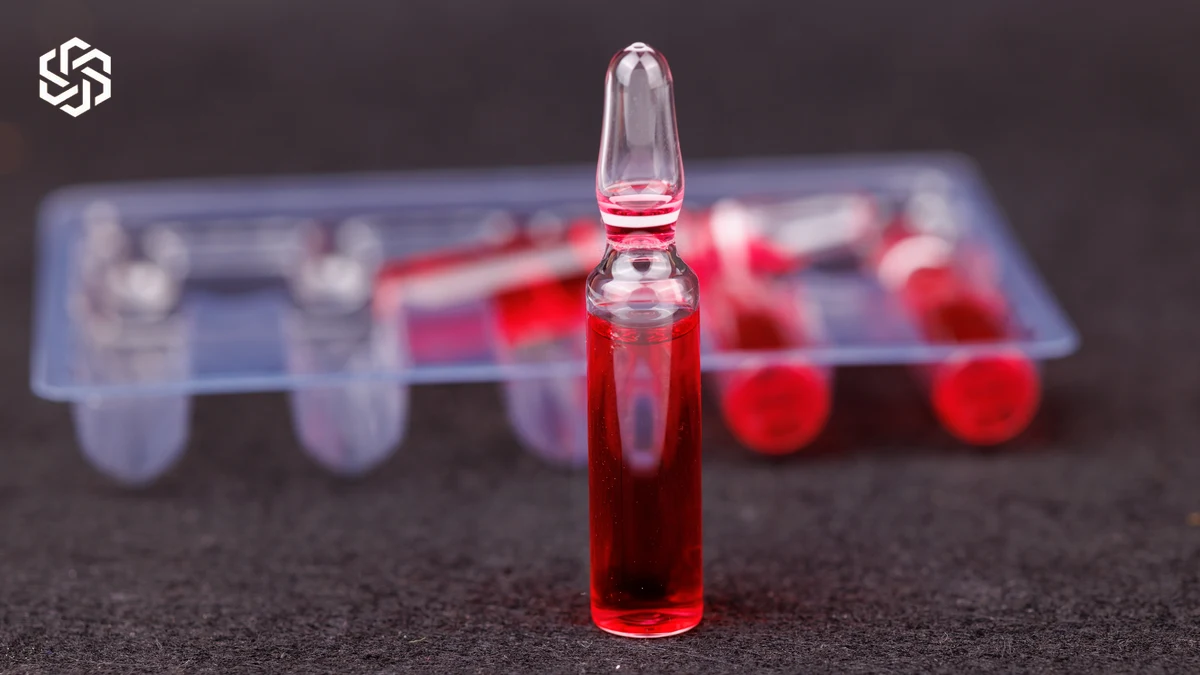
Both injections and high-dose oral B12 can correct low levels.
Monitoring and Safety
B12 is generally considered safe, because excess amounts are usually removed by the body. Still, it is best to confirm a deficiency and its cause before starting treatment. Your provider may recheck levels after a few months to make sure treatment is working, and look for the underlying reason for the deficiency, since some causes need their own treatment.

How We Approach B12 at Lake Forest Regenesis
Allana checks B12 when symptoms, diet, medications or health history suggest it, and looks for the reason behind a low level. She explains whether an injection, an oral supplement or dietary changes make the most sense for you, based on how low your level is, your symptoms and your preferences, and rechecks levels to make sure treatment is working.
When to See a Provider
See a provider promptly for numbness or tingling in the hands or feet, balance problems, memory changes, a sore red tongue or unusual fatigue. Seek urgent care for sudden weakness, trouble walking or confusion. Call 911 for stroke symptoms such as face drooping or trouble speaking.
Low or borderline B12? Allana can look for the cause and help you choose between an injection, an oral supplement or diet changes.
Frequently Asked Questions
Are B12 injections better than pills?
Not always. Injections are often preferred for severe deficiency or absorption problems, while high-dose oral B12 works well for many people.
How quickly do B12 injections work?
Some people notice improvement within days to weeks, while nerve symptoms may take longer to improve.
Can I take too much B12?
B12 is generally considered low risk, but it is still best to take it when you need it and with guidance on the dose.
Do I need B12 if I take metformin?
Long-term metformin use can lower B12, so periodic testing may be recommended. Supplements are used if levels are low.
References
- NIH Office of Dietary Supplements. Vitamin B12: fact sheet for health professionals. Read the fact sheet
This article is for general education and is not a substitute for individual medical advice. See our medical disclaimer.




