

Quick Answer
A1c and fasting insulin are two different blood tests. The A1c test shows your average blood sugar over the past two to three months and is used to screen for prediabetes and diabetes. Fasting insulin measures how much insulin your body is making after an overnight fast. A1c has standard diagnostic cutoffs. Fasting insulin does not, but it can sometimes add context about insulin resistance when read alongside other results.
Who this is for: adults who have had A1c or fasting insulin tested, or who want to understand how blood sugar and insulin are checked.
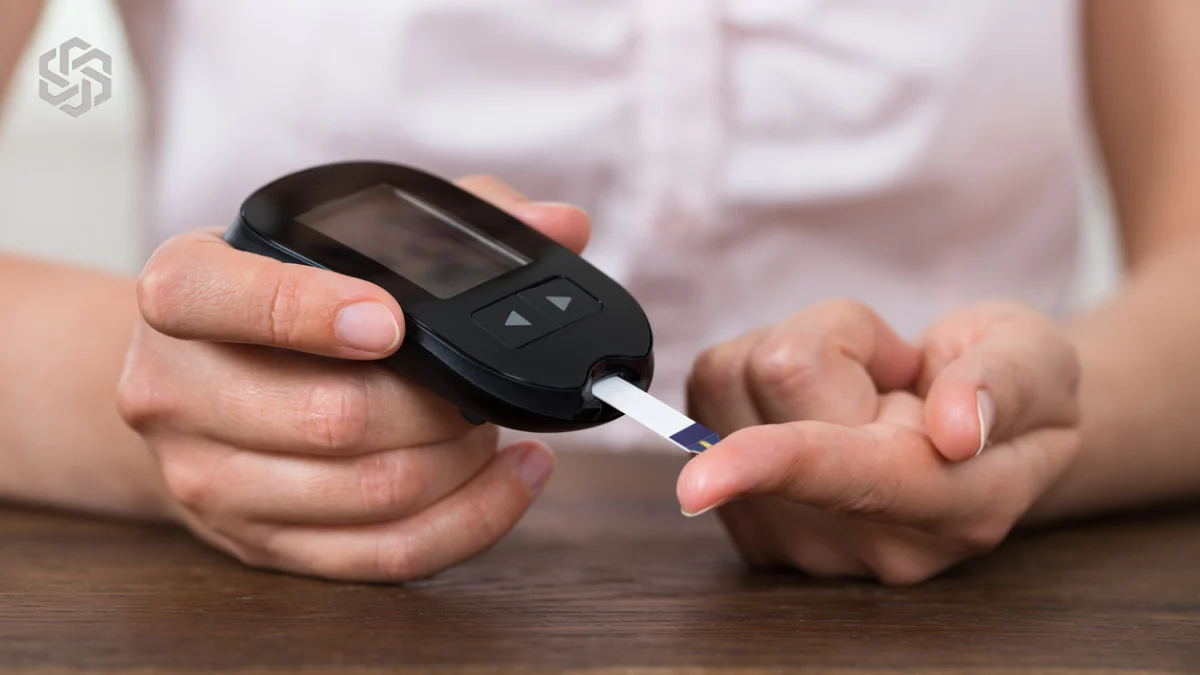
What the A1c Test Measures
Sugar in the blood attaches to hemoglobin, the protein in red blood cells. Because red blood cells live for about three months, the A1c test reflects your average blood sugar over that period. It does not require fasting.[1]
Commonly used A1c ranges are:[1]
- Below 5.7%: normal
- 5.7% to 6.4%: prediabetes
- 6.5% or higher: diabetes, usually confirmed with a repeat test
Some conditions, such as anemia, recent blood loss, kidney disease and certain hemoglobin variants, can make A1c less accurate. In those cases, other blood sugar tests may be used.
What Fasting Insulin Shows
Insulin is the hormone that moves sugar from the blood into cells. When the body becomes less responsive to insulin, called insulin resistance, the pancreas often makes more insulin to keep blood sugar normal. That means insulin levels can rise years before blood sugar or A1c becomes abnormal.[2]
Fasting insulin is sometimes measured to look for this pattern. However, there is no universally agreed-upon normal range, results vary between labs, and fasting insulin is not used to diagnose diabetes. It is most useful as one piece of information, alongside fasting glucose, A1c, waist size, blood pressure and cholesterol results.

A1c reflects average blood sugar over about three months.
How These Tests Work Together
A1c and fasting glucose show whether blood sugar is already elevated. Fasting insulin and related measures may hint at insulin resistance earlier. A lipid panel, especially high triglycerides and low HDL cholesterol, and an increasing waist size can add more clues.
Looking at these together helps you and your provider understand your metabolic health and catch problems early, when lifestyle changes and treatment are often most effective.
What Can Improve These Numbers
- Regular physical activity, including both aerobic exercise and strength training
- Losing excess weight, especially around the waist
- Meals built around protein, vegetables, fiber and whole foods
- Fewer sugary drinks and refined carbohydrates
- Better sleep and stress management
- Medications, when appropriate
Even modest weight loss can improve insulin sensitivity and lower A1c for many people with prediabetes.[2]

How We Use Metabolic Labs at Lake Forest Regenesis
Allana uses A1c, fasting glucose and, when it adds useful context, fasting insulin together with your lipid panel, blood pressure, waist size and history to get a clear picture of metabolic health. Results are explained in plain language, and the plan focuses on practical steps that fit your life, with medication or medical weight loss options discussed when appropriate.
When to See a Provider
See a provider promptly for increased thirst, frequent urination, blurry vision, unexplained weight loss or slow-healing sores, which can be signs of high blood sugar. Seek urgent care for vomiting, confusion or trouble breathing with very high blood sugar. If you take insulin or certain diabetes medications, know the signs of low blood sugar, such as shakiness, sweating and confusion.

Have A1c or fasting insulin results you want explained? Allana can walk through them with you and focus on practical next steps.
Frequently Asked Questions
Do I need to fast for an A1c test?
No. A1c does not require fasting, though other tests drawn at the same time, such as fasting glucose or insulin, may.
Can prediabetes be reversed?
For many people, yes. Weight loss, physical activity and healthier eating can bring blood sugar back into the normal range.
Is fasting insulin a standard test?
It is not part of routine screening, and there is no single agreed normal range. It may be ordered to add context when insulin resistance is suspected.
How often should A1c be checked?
It depends on your results and risk. People with normal results may be rechecked every few years, while those with prediabetes or diabetes are checked more often.
References
- National Institute of Diabetes and Digestive and Kidney Diseases. The A1C test and diabetes. Read the article
- National Institute of Diabetes and Digestive and Kidney Diseases. Insulin resistance and prediabetes. Read the article
This article is for general education and is not a substitute for individual medical advice. See our medical disclaimer.




