
Testosterone
Replacement
Therapy for
First Responders
TRT Lake Forest, IL
Provider-led testosterone replacement
therapy tailored to the physical and
mental demands of first responders.
Lake Forest Regenesis offers provider-led testosterone replacement therapy TRT for first responders in Lake Forest, Illinois, with personalized care designed to support energy, strength, and mental clarity in high-demand professions.
Testosterone Replacement Therapy (TRT)
in Lake Forest for First Responders
Specialized TRT care focused on sustaining energy, resilience, and long-term health in high-demand careers.
First responders and frontline workers face intense physical and mental demands every day. Long shifts, disrupted sleep, high stress, and repeated exposure to trauma can all affect hormone balance over time. Low testosterone may lead to fatigue, reduced strength, weight gain, low mood, and difficulty concentrating—making an already demanding job even harder.
At Lake Forest Regenesis, we provide testosterone replacement therapy in Lake Forest designed specifically for first responders. Our provider-led TRT for first responders programs begin with comprehensive lab testing and a medical evaluation to determine if low testosterone is contributing to your symptoms. Treatment plans are personalized, closely monitored, and adjusted based on how your body responds—not a one-size-fits-all approach.
Our goal is to support steady energy, improved physical performance, mental clarity, and overall well-being while prioritizing long-term health and safety. We understand the unpredictable schedules and high-pressure environments that emergency personnel work in, and we structure care to be efficient, discreet, and clinically responsible.
Whether you are a police officer, firefighter, EMT, or other frontline professional, our TRT services focus on helping you feel stronger, more focused, and better equipped to meet the demands of your career—both on and off duty—through provider-led TRT care.
Low T Treatments for Firefighters, military
EMT & Law Enforcement
Specialized TRT care focused on sustaining energy, resilience, and long-term health in high-demand careers.
Firefighters, military personnel, EMTs, and law enforcement officers often experience high physical strain, irregular sleep, and chronic stress, all of which can contribute to low testosterone. At Lake Forest Regenesis, we offer low testosterone treatments designed to meet the unique demands of these frontline professions. Each TRT for first responders program begins with medical evaluation and lab testing to confirm low T and guide treatment decisions. Care is personalized, provider-led, and closely monitored to support energy, strength, focus, and overall well-being. Our goal is to help frontline professionals maintain performance, recovery, and long-term health while prioritizing safety and responsible medical care.
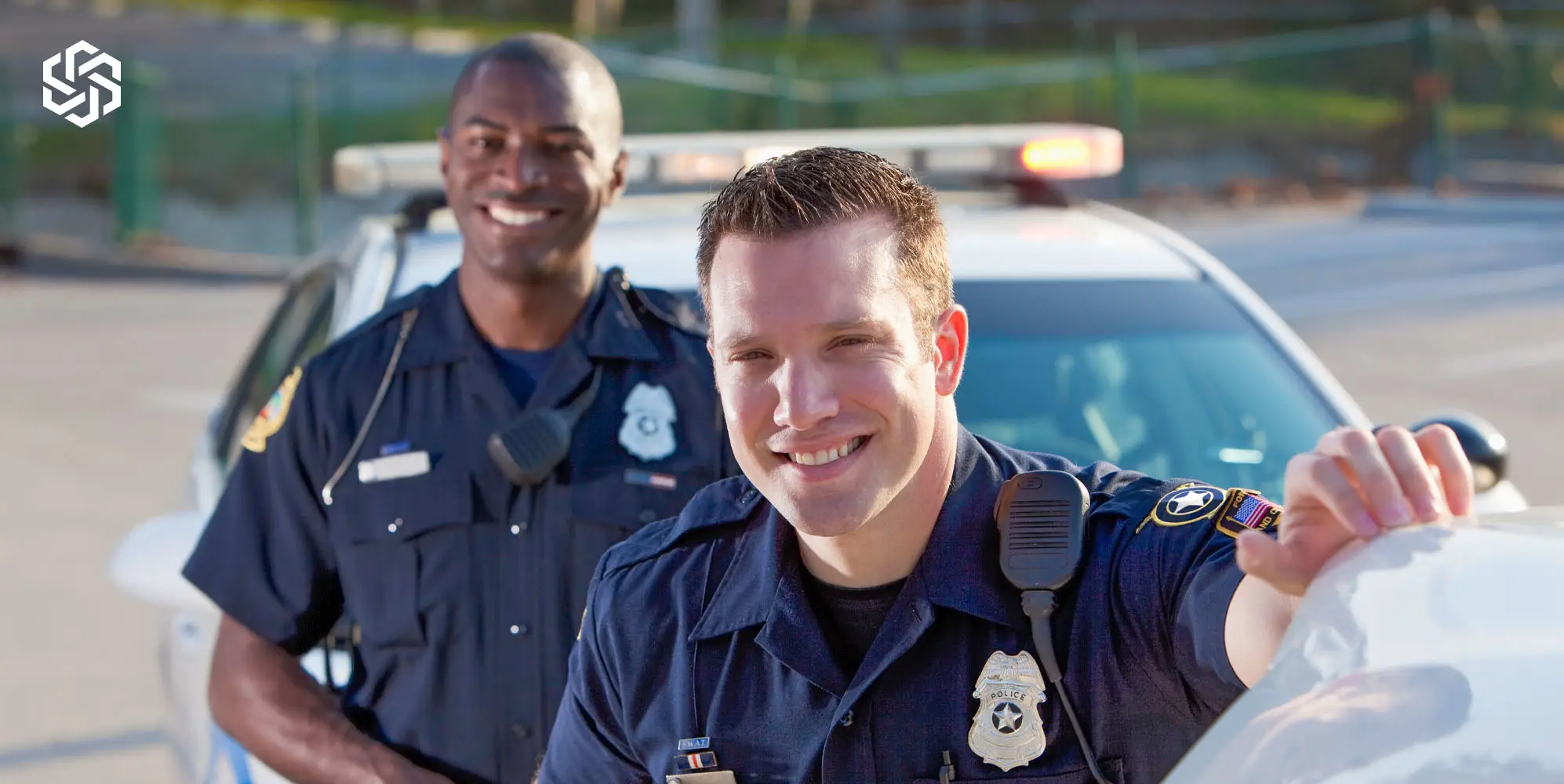
Testosterone Therapy for Police
Personalized TRT for police officers on active duty.
Police officers face long shifts, unpredictable schedules, and high-stress situations that can take a toll on hormone balance over time. Low testosterone may contribute to fatigue, reduced strength, weight changes, low mood, and difficulty concentrating—symptoms that can impact both on-duty performance and personal well-being. Addressing low testosterone begins with understanding how these demands affect the body.
At Lake Forest Regenesis, we provide testosterone therapy TRT for police officers in Lake Forest through personalized, medically supervised care. Treatment starts with comprehensive lab testing and a clinical evaluation to confirm low testosterone levels. Plans are tailored to each individual, closely monitored, and adjusted as needed to support energy, mental clarity, physical performance, and long-term health, while maintaining a responsible and safety-first approach to TRT for first responders.
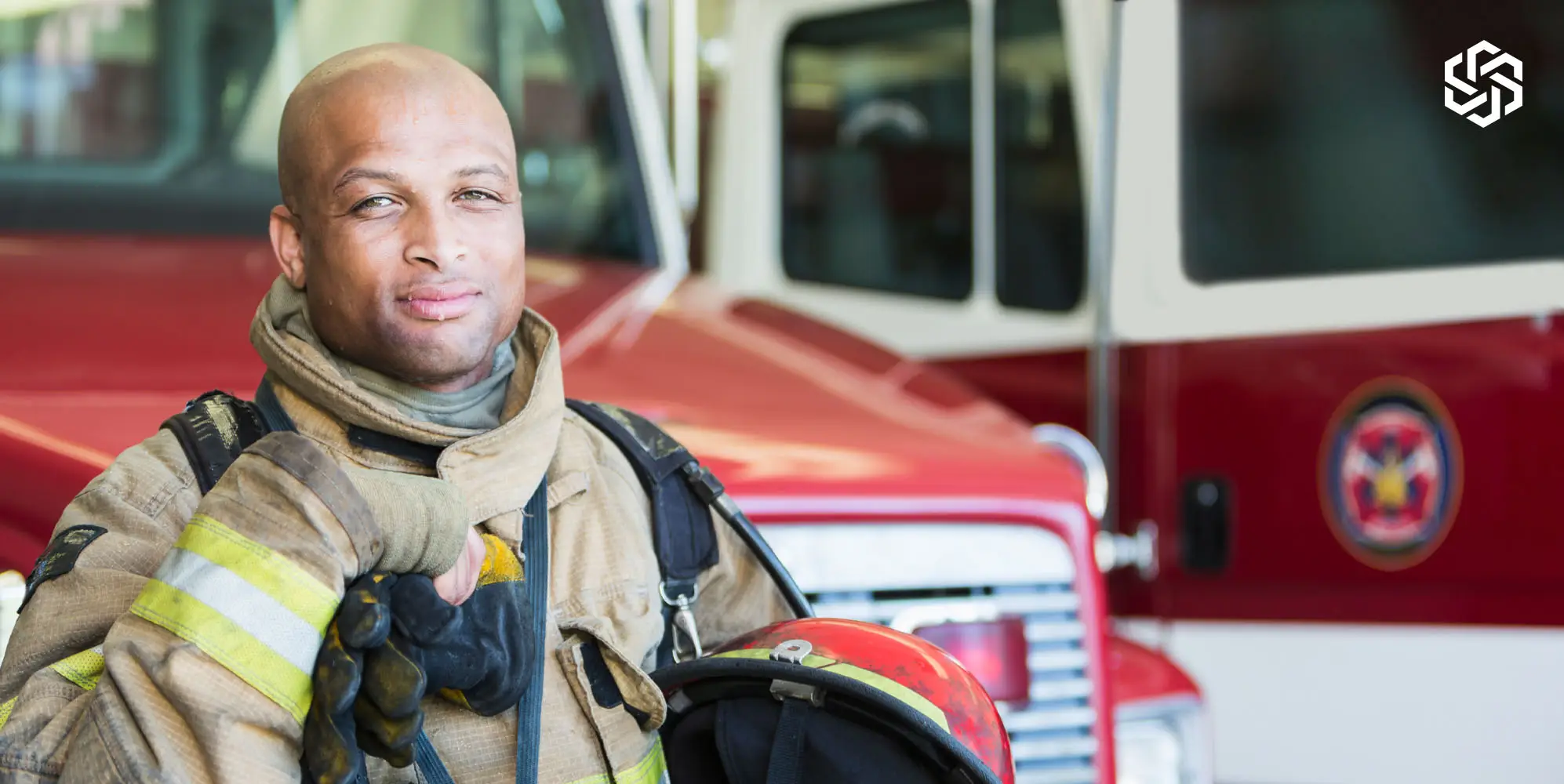
Optimized TRT for Firefighters
Personalized TRT for firefighting helping with their physical demands.
Firefighters face intense physical strain, heat exposure, irregular sleep, and high-stress environments that can affect hormone balance over time. Low testosterone may lead to fatigue, reduced strength, slower recovery, weight changes, and difficulty maintaining focus—symptoms that can impact both job performance and overall well-being.
At Lake Forest Regenesis, we provide optimized TRT for firefighters through provider-led, medically supervised care. Treatment begins with comprehensive lab testing and a clinical evaluation to confirm low testosterone levels. Each plan is personalized, closely monitored, and adjusted as needed to support strength, endurance, recovery, and long-term health, while maintaining a safety-first approach to testosterone therapy.
TRT for first responders is a medical treatment, clinical oversight and patient safety are essential components of care.
Clinical Oversight & Safety
At Lake Forest Regenesis, testosterone therapy is provided under strict clinical oversight to prioritize safety and long-term health. Treatment begins with comprehensive lab testing and a medical evaluation to confirm medical need. Hormone levels are regularly monitored, and treatment plans are adjusted based on response and clinical guidelines. Our provider-led approach ensures responsible dosing, ongoing supervision, and clear communication—so patients receive effective, medically appropriate care at every stage of treatment.
Clinical Safety Panel - TRT for First Responders
Comprehensive hormone and metabolic lab testing
Baseline and follow-up testosterone level monitoring
Hematocrit and hemoglobin evaluation
PSA screening when clinically appropriate
Liver and kidney function assessment
Ongoing provider review and dosage adjustments
Monitoring for side effects and treatment response
Medical Disclaimer
This content is for informational purposes only and is not intended to diagnose, treat, cure, or prevent any disease. All therapies are prescribed only after a comprehensive medical evaluation by a licensed provider. Results and outcomes may vary. Click for Full Disclaimer
Low T Symptoms in First Responders
TRT for First Responders may help relieve symptoms of low T.
First responders push their bodies and minds to the limit, making them especially vulnerable to the effects of low testosterone. Long shifts, high stress, disrupted sleep, physical strain, and repeated exposure to high-pressure situations can affect hormone balance over time. TRT for first responders can often help. When testosterone levels decline, it may impact energy, strength, focus, recovery, mood, motivation, and overall well-being. These changes can influence job performance, physical readiness, and quality of life both on and off duty. Common symptoms associated with low testosterone may include:
CHRONIC FATIGUE – Struggling to stay alert during long shifts or night duty.
REDUCED STRENGTH – Difficulty carrying gear, restraining suspects, or battling fires.
SLOWER RECOVERY – Lingering soreness after training or physical exertion.
BRAIN FOG – Delayed reaction times in emergencies.
IRRITABILITY & MOOD SWINGS – Increased frustration or anxiety on the job.
POOR SLEEP QUALITY – Insomnia due to shift work or stress.
DECREASED FOCUS – Trouble maintaining sharp situational awareness.
WEIGHT GAIN – Loss of muscle tone, increased body fat.
JOINT & MUSCLE PAIN – More frequent injuries or chronic stiffness.
LOW MOTIVATION – Declining drive for work or fitness.
DEPRESSED MOOD – Loss of purpose post-service or between calls.
DECREASED LIBIDO – Affects relationships and overall well-being.
Because first responders push their bodies and minds to the limit, untreated low testosterone can quietly impact energy, strength, focus, recovery, mood, and overall well-being—affecting not only job performance, but long-term health and quality of life both on and off duty. This is why we believe it is important to offer TRT for firest responders.
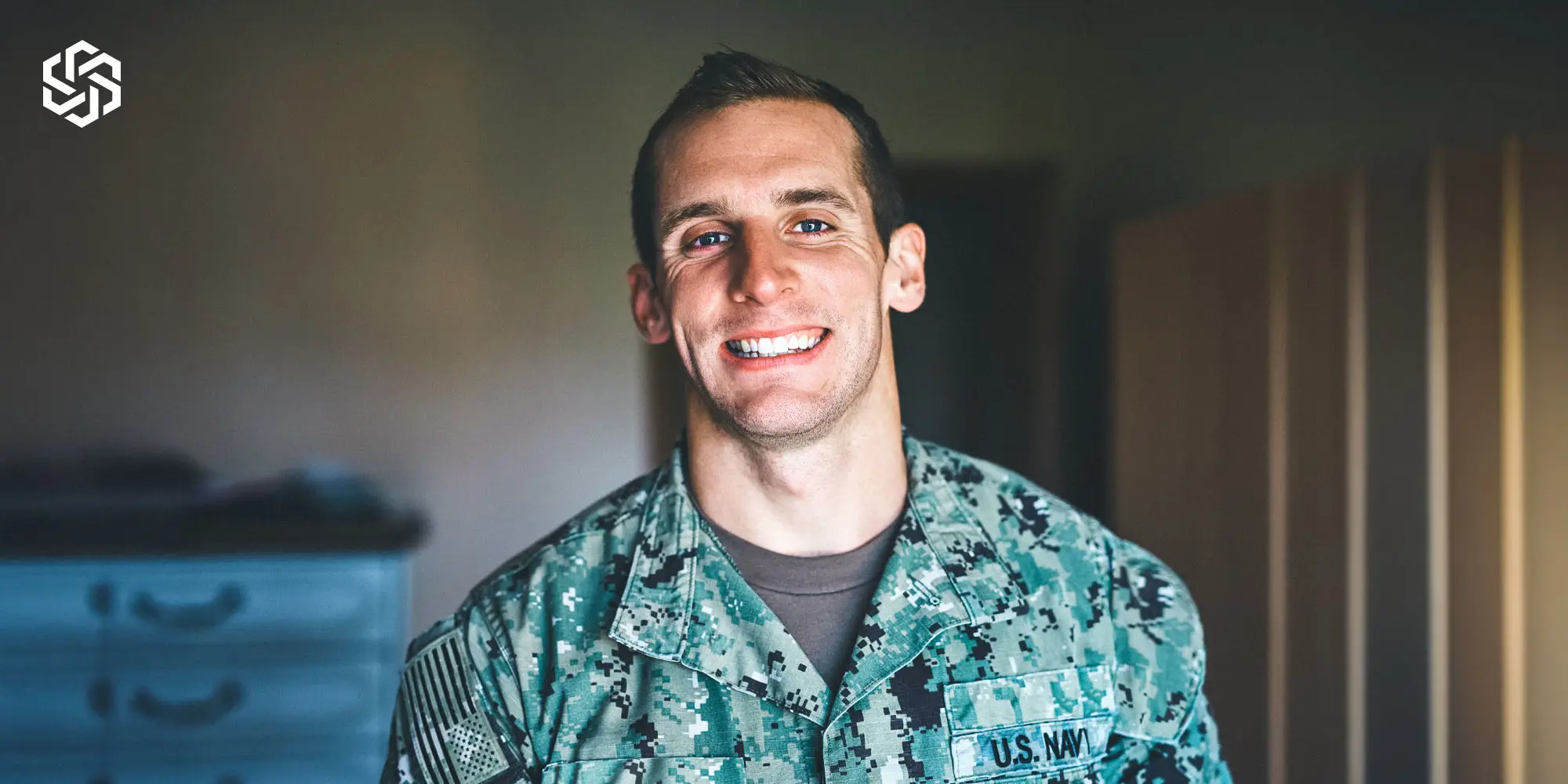
Low T Treatment for Veterans
Provider-led testosterone care honoring long-term health after service.
Veterans often carry the lasting physical and mental effects of intense training, deployments, disrupted sleep, and prolonged stress. Over time, these factors may contribute to low testosterone, leading to fatigue, reduced strength, weight changes, low mood, and difficulty concentrating. These symptoms can impact daily life, relationships, and overall well-being long after service ends.
At Lake Forest Regenesis, we offer low testosterone treatment for veterans through provider-led, medically supervised care. Treatment begins with comprehensive lab testing and a clinical evaluation to confirm low testosterone levels. Each TRT for first responders plan is personalized and closely monitored to support energy, mental clarity, physical performance, and long-term health, with a respectful, safety-first approach designed to honor each veteran’s service.

Testosterone Care for EMT's
Medically supervised TRT designed for the demands of emergency care.
EMTs work long, unpredictable hours under constant physical and emotional pressure. Repeated lifting, disrupted sleep, high stress, and exposure to trauma can affect hormone balance over time. Low testosterone may contribute to fatigue, reduced strength, slower recovery, weight changes, low mood, and difficulty maintaining focus during critical situations.
At Lake Forest Regenesis, we provide testosterone care for EMTs through provider-led, medically supervised treatment. Care begins with comprehensive lab testing and a clinical evaluation to confirm low testosterone levels. Each TRT for first responders plan is personalized, closely monitored, and adjusted as needed to support energy, physical performance, mental clarity, and long-term health, while prioritizing safety and responsible testosterone therapy.
Who Is a Candidate for First Responder TRT?
Candidates for testosterone replacement therapy are adults experiencing symptoms of low testosterone combined with confirmed low levels on lab testing. First responders, veterans, and frontline professionals who struggle with fatigue, reduced strength, weight gain, low mood, or difficulty concentrating may benefit from evaluation. TRT is not based on symptoms alone—care begins with a medical assessment and laboratory testing to determine whether testosterone therapy is medically appropriate and safe for each individual.
Who May Not a Candidate?
Testosterone therapy may not be appropriate for individuals without clinically confirmed low testosterone or those with certain medical conditions. TRT is typically not recommended for patients with active prostate or breast cancer, uncontrolled sleep apnea, elevated hematocrit levels, or certain cardiovascular conditions. Individuals planning fertility may also need alternative options. A thorough medical evaluation and lab testing are required to determine whether testosterone therapy is safe and appropriate for each patient.
Built for Those Who Serve Under Pressure
Personalized testosterone care designed to support resilience, recovery, and long-term performance.
First responders and frontline professionals operate in environments that demand constant readiness—physically, mentally, and emotionally. This is where TRT for first responders can help. Long hours, interrupted sleep, high-stress situations, and repeated physical strain can take a toll on the body over time, often affecting hormone balance in ways that go unnoticed. When testosterone levels decline, it can quietly impact energy, strength, focus, and recovery.
At Lake Forest Regenesis, we take a thoughtful, provider-led approach to testosterone therapy that respects both the demands of service and the importance of long-term health. Care begins with a comprehensive evaluation and lab testing to understand what your body truly needs. Treatment plans are personalized, carefully monitored, and adjusted over time to ensure safety and effectiveness.
Our goal is not quick fixes or one-size-fits-all protocols. Instead, we focus on helping those who serve feel steady, capable, and supported—on duty and off by providing TRT for first responders.
Frequently Asked Questions
Common questions first responders ask about testosterone therapy and treatment options.
Why do first responders experience low testosterone more often?
Testosterone replacement therapy is a medically supervised treatment used to restore testosterone levels in individuals with clinically confirmed low testosterone. TRT may help improve energy, strength, focus, mood, and overall well-being. Treatment is personalized and monitored to ensure safety and effectiveness.
How do I know if I have low testosterone?
Symptoms of low testosterone may include fatigue, reduced strength, weight gain, low mood, brain fog, or decreased motivation. Diagnosis cannot be made by symptoms alone. A medical evaluation and lab testing are required to measure testosterone levels and determine if treatment is appropriate.
Is TRT safe for first responders and frontline workers?
When provided under proper medical supervision, TRT can be safe for eligible patients. At Lake Forest Regenesis, treatment includes comprehensive lab testing, regular monitoring, and provider oversight to ensure responsible dosing and long-term safety, especially for individuals in high-demand professions.
Will TRT affect my job performance or fitness requirements?
TRT is designed to support overall health, not impair performance. Many patients seek care to improve energy, recovery, and focus. Treatment plans are carefully managed to align with physical demands, fitness standards, and occupational responsibilities when medically appropriate.
Can TRT be tailored around shift work and unpredictable schedules?
Some patients notice improvements in energy, mood, or focus within several weeks, while physical changes such as strength or body composition may take longer. Results vary based on individual health, consistency of treatment, and how the body responds to therapy.
Do I need to stay on testosterone therapy long term?
TRT is not a one-size-fits-all commitment. Some individuals remain on therapy long term, while others may adjust or discontinue under medical guidance. Ongoing evaluations help determine whether continuing, modifying, or stopping treatment is appropriate for long-term health goals.
Benefits of TRT for First Responders
Potential benefits of medically supervised testosterone therapy for first responders.
Sustained Energy Throughout Long Shifts
Low testosterone can contribute to ongoing fatigue, especially during extended or overnight shifts. Medically supervised TRT for first responders may help support more stable energy levels, allowing first responders to better manage physical demands, mental focus, and recovery during long work hours without relying on stimulants.
Improved Strength & Performance
Testosterone plays a role in muscle maintenance and physical strength. When levels are optimized under medical supervision, patients may experience improved physical performance, supporting tasks such as lifting equipment, responding to emergencies, and maintaining fitness standards required in physically demanding professions.
Enhanced Mental Clarity and Focus
Low testosterone has been associated with brain fog and difficulty concentrating. TRT for first responders may help support mental clarity, reaction time, and focus, which are critical for decision-making and situational awareness in high-pressure environments faced by first responders.
Better Physical Recovery
Intense physical activity and repetitive stress can slow recovery over time. Optimized testosterone levels may support muscle recovery and reduce lingering soreness, helping individuals return to training and duty feeling more prepared while supporting overall musculoskeletal health.
Support for Emotional Resilience
Hormone imbalance can affect mood, motivation, and emotional stability. TRT for first responder smay help support a more balanced mood and emotional resilience, which can be especially important for managing stress, trauma exposure, and the emotional demands of frontline service.
Long-Term Health & Hormone Balance
When provided with proper clinical oversight, TRT for first responders focuses on maintaining balanced hormone levels over time. Regular monitoring and provider supervision help support overall health, metabolic function, and well-being while prioritizing safety and responsible long-term care.
Start your Regenesis Today
Confidential, medically supervised TRT for first responders designed for those who serve.
Schedule a Confidential Consultation
Your Regenesis journey begins with a private consultation focused on your symptoms, health history, and goals. We understand the importance of discretion for first responders and veterans. This visit allows our medical team to determine whether further evaluation is appropriate and answer questions about testosterone therapy, expectations, and next steps—without pressure or obligation.
Complete Comprehensive Lab Testing
Accurate diagnosis starts with detailed lab testing. We assess testosterone levels along with key health markers to gain a full picture of your hormone health. Lab results help determine whether low testosterone is present and guide safe, personalized treatment decisions. This step ensures therapy is medically appropriate, precise, and tailored to your individual needs.
Begin Provider-Led TRT Care
If treatment is recommended, you’ll begin a personalized TRT for first responders plan under ongoing medical supervision. Hormone levels and health markers are regularly monitored, and dosing is adjusted as needed. Our focus is long-term safety, effectiveness, and support—helping you feel stronger, clearer, and more balanced throughout every stage of care.
Your Regenesis Process
Get started with personalized TRT for first responders through clinically supervised care.
TRT FOR FIRST RESPONDERS CONSULTATION
Your initial visit includes a comprehensive health evaluation, lab work, and vital measurements to establish your baseline.
TRT FOR FIRST RESPONDERS ASSESSMENT
You will meet with your Regenesis specialist to review lab results, assessment, and goals, crafting a customized treatment plan.
TRT FOR FIRST RESPONDERS
PROGRAM
Your carefully designed Program is designed and adjusted as lab results and progress are reviewed to ensure optimal results.
TRT FOR FIRST RESPONDERS
RESULTS
Reap the rewards as we progress with regular labs, feedback, and advanced technology to optimize your health and wellness.
Welcome to Lake Forest Regenesis
Hormone and wellness clinic for men & women in lake Forest, Illinois
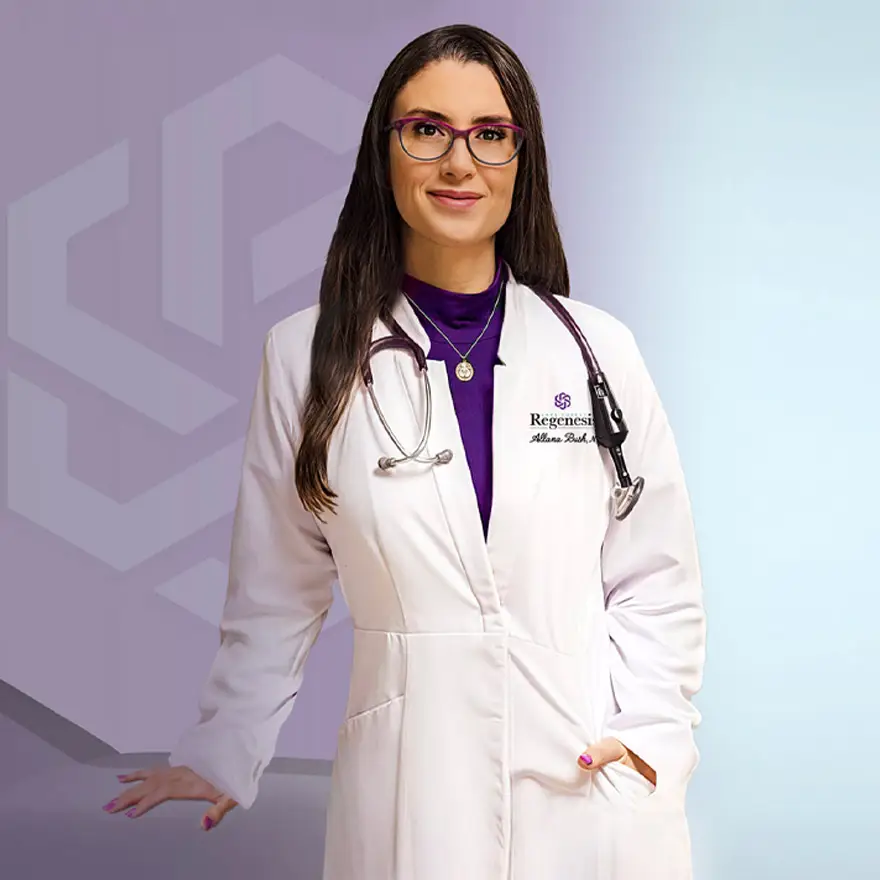
“As a proud military family, with my husband currently serving in the Active Duty Navy, I understand the unique challenges that come with life in service. I’ve seen firsthand how low testosterone can take a toll on energy, focus, and resilience. But I’ve also seen the incredible transformation that comes with restoring optimal levels. More strength. Sharper focus. Unshakable confidence. You push through for others—now it’s time to take care of yourself. Let’s have a conversation. You’ve got our expertise, and more importantly, you’ve got our support.”

Allana Bush, FNP-C, RN, PHN, MSN
Medical Weight Loss & Bioidentical Hormone
Replacement Therapy Specialist Lake Forest, IL